
High-value shopping basket and more conscious shoppers: growing demand for domestic and healthy products

Based on our representative survey of 940 people, we introduce the factors that will be decisive in 2026. Last year two-thirds of respondents said they consciously looked for products in promotion and over the past year – due to inflation – half of respondents searched for promotional products in stores even more often. At the same time one-third further reduced their purchases of non-essential products. Nearly half of shoppers expect significant price hikes in 2026.
This article is available for reading in Trade magazin 2026/02-03
Health consciousness and sustainability: expectation or decision-making factor?

Guest writer:
Sára Felber
junior market researcger
NMS Hungary
Interest in healthier foods continues to be present among Hungarian consumers. When assessing whether a product is healthy, half of shoppers primarily judge it based on the preservative-free label. This is closely followed by the Hungarian product or domestic product marking, then various trademarks and certifications, and the bio or organic label. Price also plays a very important role in this category. Nearly half of respondents wouldn’t pay more for a product considered healthier. Among those who are open to paying a premium, 30% of respondents consider an additional cost of up to HUF 100-200 acceptable, while 16% think HUF 200-500 is acceptable. Only 5% of shoppers would be willing to pay a higher premium.
Commitment to domestic products remains strong among Hungarian consumers, but based on the data, this isn’t a priority for all shoppers. Half of respondents say that environmental factors are important to them. When buying food, nearly a third of environmentally conscious respondents pay attention to green or recycled packaging, which is mainly characteristic of those living in the capital city, the over-65s and women. As regards fighting food waste, 4 out of 10 respondents have already heard of online food rescue platforms such as Munch, but only 20% use such solutions more or less regularly.
Payment habits and digital solutions on a changing market
Traditional cash registers continue to enjoy an advantage when it comes to choosing a checkout: more than half of those surveyed – mainly those living in rural areas and those over 65 – prefer them, while one-third of respondents (typically those aged 18-39) already prefer self-service checkouts. Bank cards continue to dominate among payment methods. More than half of the respondents (primarily those over the age of 65) indicated this as their most frequently used payment method, but one-third still pay mainly with cash. Awareness of fintech services (e.g. Revolut, Simple) is relatively high: nearly half of respondents have heard of them but haven’t yet tried them in practice; 16% use these solutions regularly. Half of the respondents have heard of unmanned stores, but the proportion of those who have actually shopped in a smart store is negligible. Hungarian consumers are becoming more conscious, so brands and stores need to be innovative and fast to keep up with changing expectations.

Related news

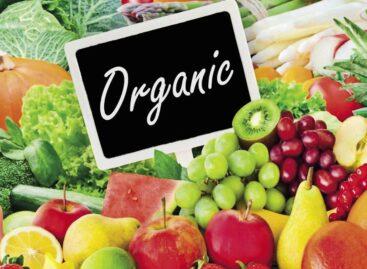
New directions are needed for the further expansion of organic production
🎧 Hallgasd a cikket: Lejátszás Szünet Folytatás Leállítás Nyelv: Auto…
Read more >
Winemaker of the Year 2025
🎧 Hallgasd a cikket: Lejátszás Szünet Folytatás Leállítás Nyelv: Auto…
Read more >Related news
THE LATEST ISSUE OF TRADE MAGAZINE HAS BEEN PUBLISHED!
🎧 Hallgasd a cikket: Lejátszás Szünet Folytatás Leállítás Nyelv: Auto…
Read more >
Spring renewal: interest in surprising products increased in spring
🎧 Hallgasd a cikket: Lejátszás Szünet Folytatás Leállítás Nyelv: Auto…
Read more >
A new director will lead Nestlé’s factories in Szerencs and Diósgyőr from April
🎧 Hallgasd a cikket: Lejátszás Szünet Folytatás Leállítás Nyelv: Auto…
Read more >
