
Diabetes: the key to prevention is “smart” carbohydrates and fiber – MDOSZ has published a fresh summary

Diabetes is spreading rapidly worldwide: the International Diabetes Federation (IDF) estimates that in 2021, 536.6 million people aged 20–79 were living with diabetes, and the number could increase to 783.2 million by 2045. In Hungary, according to a summary citing a NEAK database analysis, there were 727,000 type 2 and 37,087 type 1 diabetics in the country in 2014.
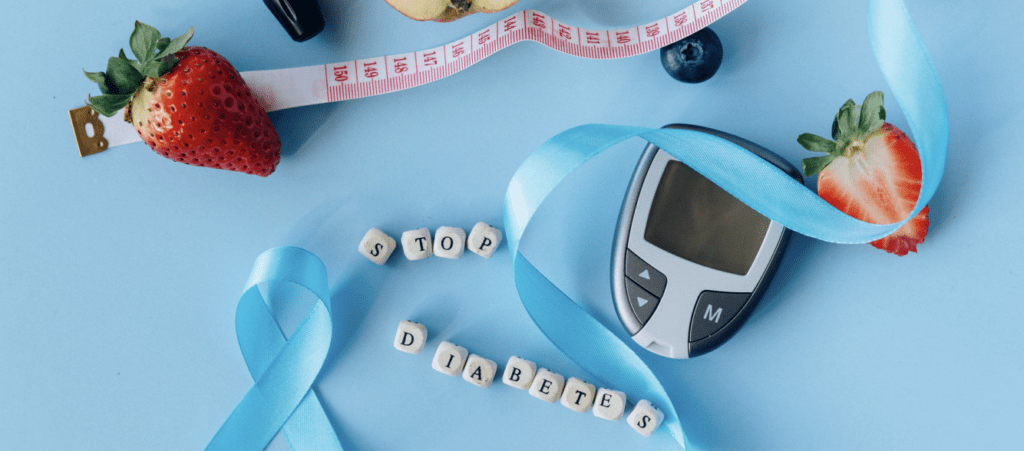 The The National Association of Hungarian Dietitians Academy of Nutrition newsletter of January 2026 draws attention to the fact that type 2 diabetes The development of diabetes is often preceded by a prediabetes phase lasting for years, so early recognition and personalized nutritional therapy are key issues. The newsletter also summarizes the diagnostic thresholds (e.g. repeated fasting blood sugar >7 mmol/l or repeated HbA1c ≥6.5%) and emphasizes that fingertip measurement is not suitable for making a diagnosis.
What is the recommended diet? The publication provides practical, “everyday” guidelines: at least 5 servings of vegetables and fruits per day (3–4 servings of vegetables), avoiding sugary drinks, limiting refined grains and ultra-processed foods, and preferring foods with higher fiber content. The desired fiber intake is at least 14 g/1000 kcal, and to achieve 25–30 g per day, dry legumes, regular consumption of vegetables and fruits, and oil seeds are recommended 2–3 times a week.
The newsletter also calls the recommendation of the Smart Plate a usable “baseline” and discusses the Mediterranean-style diet (e.g. extra virgin olive oil, nuts, sea fish) as a pattern that reduces cardiometabolic risks.
Why is it interesting for retail and FMCG? The focus of dietitian recommendations – reducing sugary drinks, increasing fiber, whole grains, legumes, “nutrient-dense” snacks (e.g. natural yogurt, oilseeds) – directly affects product development and category management decisions. The newsletter also specifically indicates: sweeteners are spreading, but they are basically for “coloring”, recommended in moderation, and the “whole diet” counts, not a single “magic nutrient”.
(Source: MDOSZ Academy of Nutrition, Vol. 19, No. 1, manuscript closed on January 28, 2026.)
Related news

MDOSZ: 850 million people worldwide are affected by chronic kidney disease – early screening and prevention are the key
🎧 Hallgasd a cikket: Lejátszás Szünet Folytatás Leállítás Nyelv: Auto…
Read more >
Never seen anything like this before: anyone who quits smoking will receive a cash reward
🎧 Hallgasd a cikket: Lejátszás Szünet Folytatás Leállítás Nyelv: Auto…
Read more >
Let’s preserve the health of our kidneys: what damages them, what protects them, and what can we do in our everyday lives?
🎧 Hallgasd a cikket: Lejátszás Szünet Folytatás Leállítás Nyelv: Auto…
Read more >Related news

Oat-based “feta” wins the cheese innovation competition of Lidl Germany and ProVeg
🎧 Hallgasd a cikket: Lejátszás Szünet Folytatás Leállítás Nyelv: Auto…
Read more >
Finger Food Experience
🎧 Hallgasd a cikket: Lejátszás Szünet Folytatás Leállítás Nyelv: Auto…
Read more >
KPMG: Easter boom: the season is exploding for families, retail and the chocolate industry
🎧 Hallgasd a cikket: Lejátszás Szünet Folytatás Leállítás Nyelv: Auto…
Read more >
