
Naturalness from the very first bites
In 2025 the baby and children’s food category operated in a complex market environment, influenced mainly by demographic trends, a strict regulatory framework, demand for organic and premium products, and growing health-consciousness.
This article is available for reading in Trade magazin 2026/04
According to data from the Central Statistical Office (KSH), the number of births had dropped to a historic low in 2024 and preliminary information suggests that 7% fewer children were born in 2025 than in 2024. Baby food showed a 0.7% decline in value in 2025, while the number of units sold was down 7.6% compared to 2024.
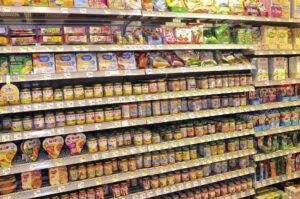
Today, it’s not only the nutrients a product contains that matter, but also the ingredients that are left out
Organic portfolio

Rita Bazsó
marketing director
Univer Product
The most popular products in Univer’s offering are primarily fruit, vegetable and meat combinations suitable for children aged 6 months and older. Apple sauce with chicken is in high demand, followed by pumpkin purée with chicken. Univer baby foods are additive-free and contain no added sugar or salt, with the exception of some products recommended for children aged 1-3 years, which contain a minimal amount of salt for flavour.
“Univer’s biggest commitment for 2026 was to make its entire baby food product range organic. After a long period of preparation, the full portfolio – all 56 flavours in all age groups – is now made from organic ingredients”,
explains marketing director Rita Bazsó.
Strict regulations

Noémi Makai
marketing manager
Hipp
The regulatory environment for baby and children’s foods is traditionally strict. Manufacturers are implementing increasingly thorough internal control processes, using more advanced testing methods, and managing their supply chains more consciously. HiPP Termelő és Kereskedelmi Kft.’s success is the result of constantly monitoring changes in consumer demand and adapting the product range accordingly.
“Innovative products for children over one year of age are increasingly in demand. It is important to offer children foods based on the latest nutritional science”,
emphasises marketing manager Noémi Makai.
Hipp is celebrating the 70th anniversary of its transition to organic farming this year.
Changing needs

Anna Pókecz
marketing manager
Cerbona
The rise of health-conscious nutrition has noticeably changed expectations regarding the composition of baby and children’s foods. Today it isn’t only the nutrients a product contains that matter, but also the ingredients that are left out, e.g. no added sugar, lower salt content, and no additives. At Cerbona Élelmiszergyártó Zrt. cereal flakes are the main products in this category for children. Many of their products are a good choice for young children, as various intolerances – such as gluten-sensitivity – can already appear at this stage of life, for which the company offers several alternatives in their portfolio.
“We expand our product range with new innovations every year, and we plan to introduce new products this year as well”,
says marketing manager Anna Pókecz.
Future-shaping trends
The role of vitamins remains important, plus there is great potential in probiotic solutions and in refining existing functional products. At Import-Trade Hungary Kft. the Fruchtbar BIO Pear, apple, millet 100g pouch baby dessert has been at the top of the sales charts for years, presumably due to its favourable composition. Two snacks have made it into the top 10: Fruchtbar BIO Blueberry, banana oat bar 23g and Strawberry apple oat bar 23g. The brand currently offers 42 types of snacks made from organic ingredients and tailored specifically to the needs of babies.
“Fruchtbar BIO baby desserts contain no added sugar, yet they are sweet, thanks to right combination of fruits”,
explains sales director András Gurdon.

Related news
(HU) FruttaMax Gold szörpök
🎧 Hallgasd a cikket: Lejátszás Szünet Folytatás Leállítás Nyelv: Auto…
Read more >
Nappy market: forced to adapt
🎧 Hallgasd a cikket: Lejátszás Szünet Folytatás Leállítás Nyelv: Auto…
Read more >
Gentle, safe and conscious
🎧 Hallgasd a cikket: Lejátszás Szünet Folytatás Leállítás Nyelv: Auto…
Read more >Related news

Brake on Shein’s growth in Europe
🎧 Hallgasd a cikket: Lejátszás Szünet Folytatás Leállítás Nyelv: Auto…
Read more >
GKI: High base rate, low inflation?
🎧 Hallgasd a cikket: Lejátszás Szünet Folytatás Leállítás Nyelv: Auto…
Read more >
Lidl sold nearly 100 million liters of Hungarian milk
🎧 Hallgasd a cikket: Lejátszás Szünet Folytatás Leállítás Nyelv: Auto…
Read more >
