
Hundreds of thousands would work more outside of traditional frameworks: it’s not the lack of motivation, but the lack of flexibility

Educated, multilingual, and often full-time workers form the backbone of the domestic flexible labor market (gig economy). Giggle’s latest research, which processes data from more than 160,000 domestic users, sheds light on a surprising fact: a significant portion of Hungarian employees would like to work more, not less – an average of 10 extra hours per week. However, the rigid framework of the traditional labor market does not allow this for many, so more and more people are turning to flexible platform work to create the missing financial security.
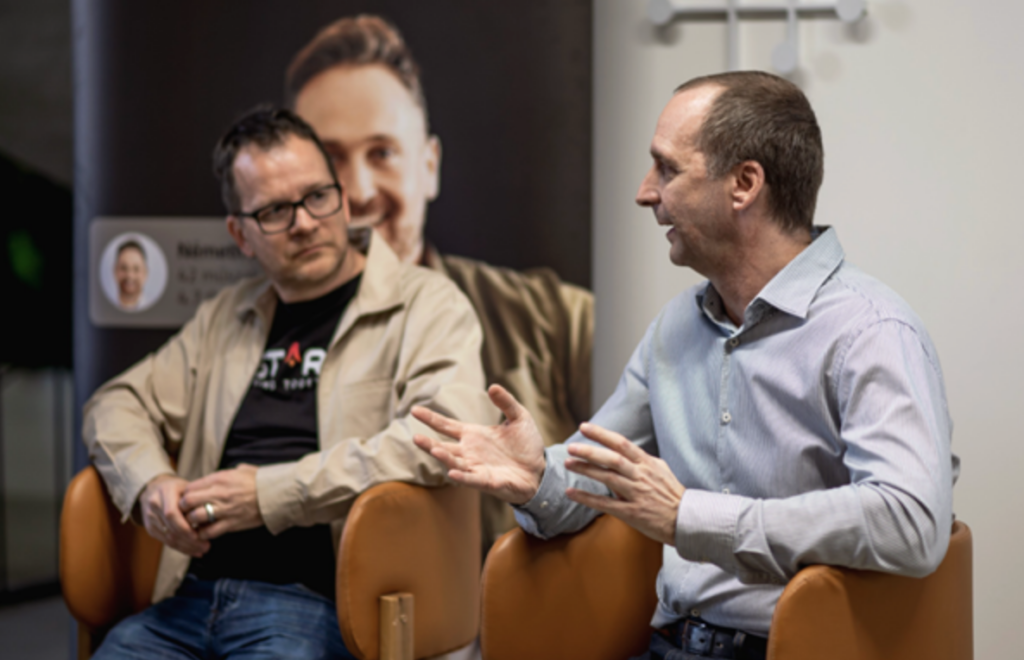 Giggle’s comprehensive analysis conducted between September 2025 and March 2026 – based on the responses of nearly 1,400 employees and data from hundreds of thousands of shifts – rewrites everything we thought about flexible (gig) work.
Economic Lifebelt: Daily Survival and Portfolio Careers
The The financial situation of Hungarian workers fundamentally determines their labor market behavior. The research revealed that 67.3% of respondents have no savings at all, and 42.5% have loans or debts. For them, an unexpected expense is a critical problem. For the vast majority of flexible workers, platform work accounts for no more than 10-20% of their monthly income, which shows an extremely healthy income-supplementing model. Based on median wages at the end of 2025, working just 2 extra shifts per month could mean a 10% increase in earnings, which for many is the dividing line between month-to-month living and financial stability.
Flexibility is no longer a compromise, but an expectation: extra income is the main motivation for 61.8% of respondents, but almost as many (58.9%) also indicated freedom of time.
The stereotype has been broken: They are educated and want to work more
It is a common misconception that those who work flexibly are casual workers with low motivation, only suitable for tasks that do not require education, or students. The numbers clearly disprove this:
- 84% of those working on the platform have at least a secondary education (19% of them graduate)
- Almost half of them (48.3%) speak English and have a “B” category driving license
- Respondents65.8% have a full-time job (full or part-time)
- Although many are already active, 72% of respondents would like to work at least as much as they currently do and would take on an average of 10 extra hours per week: in practice this means This means 3-5 completely unused working days per employee, which is a huge opportunity for companies struggling with a labor shortage.
“The gig economy is not an escape from work, but a modern tool for diversifying income. In the West, the »portfolio career« is already common, where people build their salary from several sources in parallel. Our data also shows that 7 out of 10 employees have a long-term goal of maintaining flexible working hours,” he noted. Ádám Birizdó, co-founder of Giggle.
Related news

The season is coming, this is how student work can be successful in 2026
🎧 Hallgasd a cikket: Lejátszás Szünet Folytatás Leállítás Nyelv: Auto…
Read more >
Hundreds of thousands would work more outside of traditional frameworks: it’s not the lack of motivation, but the lack of flexibility
🎧 Hallgasd a cikket: Lejátszás Szünet Folytatás Leállítás Nyelv: Auto…
Read more >
When you have to do it all at once: answers to the challenges of the sandwich generation
🎧 Hallgasd a cikket: Lejátszás Szünet Folytatás Leállítás Nyelv: Auto…
Read more >Related news

What do we spread on our bread? Young people prefer butter, older people prefer margarine
🎧 Hallgasd a cikket: Lejátszás Szünet Folytatás Leállítás Nyelv: Auto…
Read more >
Products in the EU will receive a digital passport
🎧 Hallgasd a cikket: Lejátszás Szünet Folytatás Leállítás Nyelv: Auto…
Read more >
The Hungarian sports drink manufacturer has launched three new functional drinks
🎧 Hallgasd a cikket: Lejátszás Szünet Folytatás Leállítás Nyelv: Auto…
Read more >
