
Social media is causing serious anxiety for Generation Z

Addiction, anxiety, low self-esteem and comparing themselves to others – according to a recent study by Budapest Park, these are the biggest challenges for Generation Z when it comes to social media. The online space is an integral part of the identity of adolescents and young adults, but the greatest cure for difficulties is still personal conversation – although sometimes not with friends, but with ChatGPT.
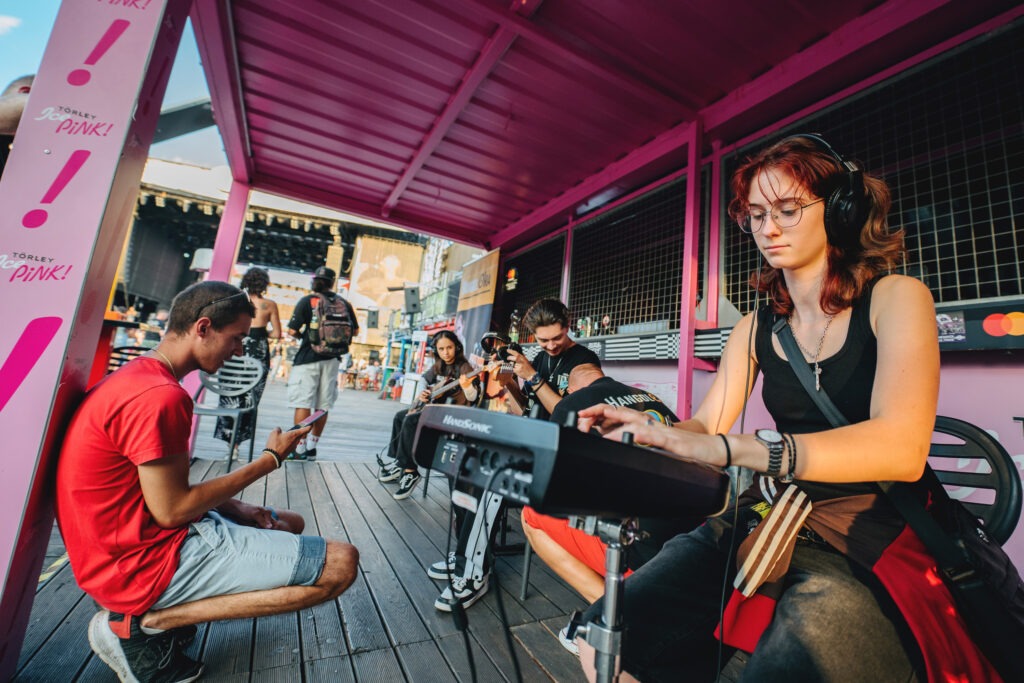 Budapest Park organized the JusTeenTime Teen Day for the third time, where concerts, roundtable discussions, interactive games, makeup and skincare workshops, learning about musical instruments, physical and mental health stands and Sensitization Points awaited parents and teens. One of the main questions of the day was how Generation Z reconciles their online and offline identities, and what challenges they face in the process. Budapest Park[1] conducted its own research on the subject, which revealed that the young respondents spend a significant part of their day online: most of them spend 2-6 hours of their free time doing so, but a tenth of the respondents admitted to spending more than 8 hours on their smartphones, watching videos, or playing games. The most popular platform among them is Instagram, followed by TikTok, then head-to-head by YouTube and Facebook.
Stressful and inspiring at the same time
They face numerous problems on these platforms. The problems most often perceived include the illusion of perfection experienced on social media, misleading information, online fraud and phishing, harassment or abuse, obscene or violent content, and excessive competition, but almost half of Generation Z have seen sexual solicitations or harmful, dangerous challenges online. Only 1% of them answered that they had not encountered any similar problems online.
Social media is considered both a source of stress and inspiration. Three-quarters of respondents find it difficult to stop scrolling on their mobile phones, more than half regularly compare themselves to others on social media platforms, and 40% report anxiety, stress, or a decrease in self-confidence due to social media use. At the same time, nearly a third of respondents find it particularly helpful in relaxing, recharging, and even inspiring.
Perhaps this is why, although social media is associated with many negative experiences, the online space is not the main source of stress for Generation Z: uncertainty about the future comes first, followed by managing personal relationships, and almost equally by schoolwork, financial difficulties, and family problems. A third of young people feel stressed every day, and the proportion of those who reported daily anxiety is almost the same.
Related news

Generation Z vs. senior executives: young people are ready, companies need to act now
🎧 Hallgasd a cikket: Lejátszás Szünet Folytatás Leállítás Nyelv: Auto…
Read more >
Generation Z: They’re not job hoppers, they just know what they want
🎧 Hallgasd a cikket: Lejátszás Szünet Folytatás Leállítás Nyelv: Auto…
Read more >
Skyr Shortages Hit German Supermarkets Amid Social Media Hype
🎧 Hallgasd a cikket: Lejátszás Szünet Folytatás Leállítás Nyelv: Auto…
Read more >Related news

István Nagy: the government’s goal is to further strengthen the competitiveness of Hungarian agriculture and place the future of domestic agriculture on a solid foundation
🎧 Hallgasd a cikket: Lejátszás Szünet Folytatás Leállítás Nyelv: Auto…
Read more >
Bulk shopping has become significantly cheaper: more than 900 products are available at much lower prices than a year ago
🎧 Hallgasd a cikket: Lejátszás Szünet Folytatás Leállítás Nyelv: Auto…
Read more >
EY: Activity increased, yet the value of the Hungarian M&A market decreased significantly
🎧 Hallgasd a cikket: Lejátszás Szünet Folytatás Leállítás Nyelv: Auto…
Read more >
