
Forced paths: trends and decisions in 2026

In 2026 global retail will not see a parade of trends, but rather forced paths and quick decisions. This article is based on the main findings of the IGD Global Retail Trends 2026 analysis, summarising the experiences of 99 countries.
This article is available for reading in Trade magazin 2026/02-03
1. Cybersecurity is the new frontline: the FMCG sector is particularly vulnerable, as integrated supply chains, automated ordering systems and digital customer relationships mean that a single cyberattack can cause business disruption, loss of trust and serious financial damage. The focus is increasingly shifting to prevention.
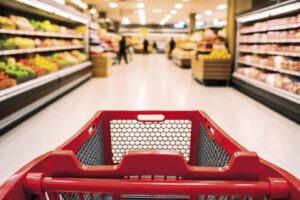
Decision points for global retail in 2026: cybersecurity, retail media, AI
2. Retail media comes of age: by 2026 real sales growth will be more difficult worldwide, while on the cost side operations and asset maintenance will remain a persistent burden. In this situation retail media will become a strategic focus as a low-asset, high-value-added opportunity for growth and improved results.
3. AI as an engine of operations: AI is spreading rapidly around the world because it simultaneously improves operational efficiency, the online and in-store customer experience, and profitability. Key applications include inventory and supply management. Related to this is personalised marketing, which supports conversion with more relevant offers and more effective targeting.
4. Health takes on a new role: the topic of health is taking on new importance in retail: not only is it being reinforced by a more conscious consumer focus, but also by the fact that traditional healthcare systems in many countries have become overburdened, driving demand towards alternative channels. In this environment the potential role of retail is expanding.
5. Changing consumer demographics: by 2026 demographic and cultural changes will directly shape retail offerings and the in-store experience. Migration, global travel and social media are exposing consumers, especially younger ones, to more international flavours, cuisines and lifestyles, by this strengthening diversity expectations.
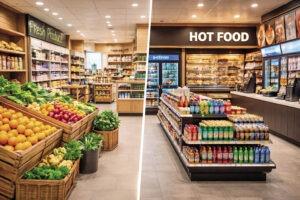
Two diverging trajectories: neighbourhood top‑up stores and convenience formats optimised for immediate consumption are growing in parallel
6. Convenience is splitting in two: the convenience channel is reaching a turning point and – owing to changing consumer habits and different shopping missions – it is evolving along two distinct models. One track is that of neighbourhood convenience stores with a community focus, often operated by larger supermarket chains. The other direction is taken by specialised convenience players, sometimes linked to motor fuel retail.
7. Battling waste is becoming important: in 2026 sustainability will enter a more pragmatic phase in global food and FMCG retail. In the short term, retailers are concentrating on measures that cut costs, improve efficiency and support regulatory compliance. In this context cutting down on waste – especially food waste – becomes both an economic and an operational issue.
Related news
Hungarians order with one sentence: this is how we shop with the help of AI
🎧 Hallgasd a cikket: Lejátszás Szünet Folytatás Leállítás Nyelv: Auto…
Read more >
Rozi: Rossmann has launched an AI assistant on shop.rossmann.hu
🎧 Hallgasd a cikket: Lejátszás Szünet Folytatás Leállítás Nyelv: Auto…
Read more >
AI: Help or Addiction? Recent Research
🎧 Hallgasd a cikket: Lejátszás Szünet Folytatás Leállítás Nyelv: Auto…
Read more >Related news
THE LATEST ISSUE OF TRADE MAGAZINE HAS BEEN PUBLISHED!
🎧 Hallgasd a cikket: Lejátszás Szünet Folytatás Leállítás Nyelv: Auto…
Read more >
Spring renewal: interest in surprising products increased in spring
🎧 Hallgasd a cikket: Lejátszás Szünet Folytatás Leállítás Nyelv: Auto…
Read more >
A new director will lead Nestlé’s factories in Szerencs and Diósgyőr from April
🎧 Hallgasd a cikket: Lejátszás Szünet Folytatás Leállítás Nyelv: Auto…
Read more >
