
We know what is healthy, but we are seduced

A light, vegetable-rich dish or a juicy, fatty dish with a side dish? Most of us know in our heads what we should eat, but because of the immediate pleasure, we reach for the latter with our fork. Only every second Hungarian thinks that healthy food is delicious – according to a recent, representative study by TV Paprika*, published on the occasion of World Health Day (April 7). The survey shows that the problem is not with our knowledge. In fact. We are in a particularly good position in our minds: we do not fear something as healthy because it is low in calories or fat, but because it is natural.
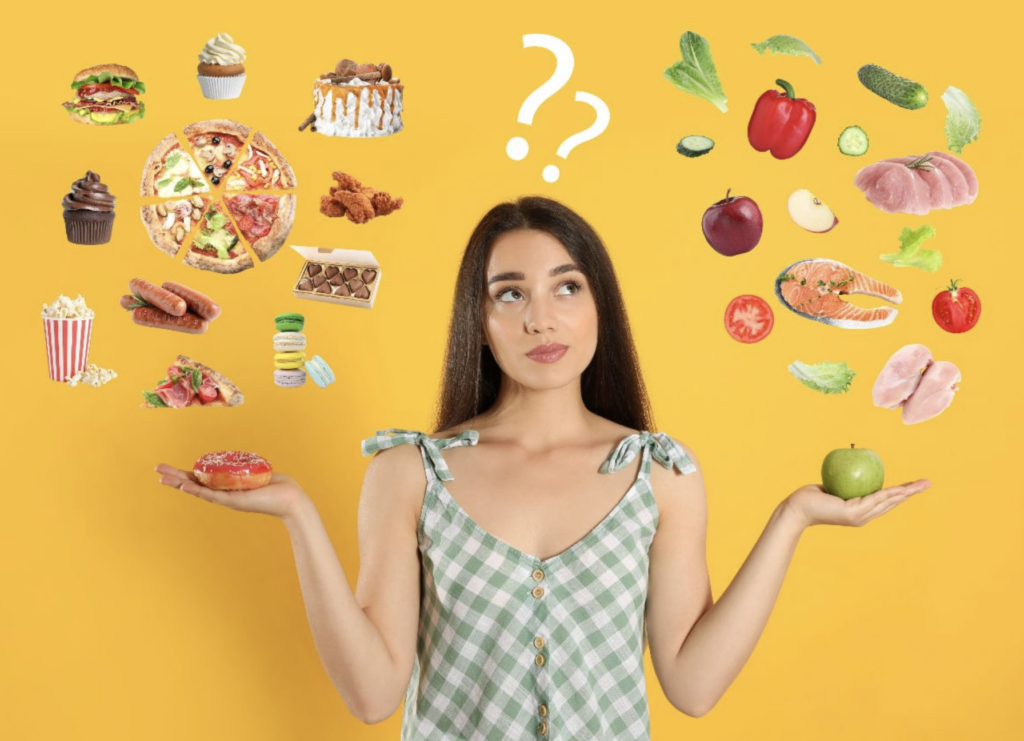 However, in practice, pleasure often overrides awareness, and we tend to forget that we are truly in control. Although the majority of Hungarians are aware that health is not only a matter of genetics, but also depends on what we eat, two-thirds of them still do not believe that we can eat ourselves to be healthy or sick.
How is April 7th related to health?
The World Health Organization (WHO) began operations on April 7, 1948. The WHO declared the day of its founding as World Health Day, and each year they focus on a different health topic.
What makes a food healthy? Not what you might think at first
If you have to specifically say what makes a food healthy, the answers surprisingly point in the same direction. The majority of Hungarians (56%) believe that you can eat everything, but only in moderation, and what really matters is not what you take out of the food, but what is in it. The most important aspect by far is that a food should not contain artificial ingredients (65%). This is followed by fresh, local ingredients (46%), low added sugar (41%) and a high vegetable content (38%).
What is really interesting is that the aspects that dominate are not the ones you might first think of. It is not calories, fat content or “free” labels that decide what we consider healthy. These are much lower on the list, just as the “fitness” or “healthy” labels on packaging hardly influence our decisions.
Even home cooking does not automatically mean health: only one in five respondents believe that a meal is healthy just because it is prepared at home. In other words, we don’t think in terms of trends or prohibitions, but rather about what actually ends up on the plate.
Related news
The price of one-month-old radishes has increased, the price of leeks has fallen: a mixed start to the year for onion crops and early vegetables
🎧 Hallgasd a cikket: Lejátszás Szünet Folytatás Leállítás Nyelv: Auto…
Read more >
Hungarian bunch tomatoes arrive in PENNY warehouses
🎧 Hallgasd a cikket: Lejátszás Szünet Folytatás Leállítás Nyelv: Auto…
Read more >
Never seen anything like this before: anyone who quits smoking will receive a cash reward
🎧 Hallgasd a cikket: Lejátszás Szünet Folytatás Leállítás Nyelv: Auto…
Read more >Related news
Hungarian consumers are saving on ham, label reading is becoming more important
🎧 Hallgasd a cikket: Lejátszás Szünet Folytatás Leállítás Nyelv: Auto…
Read more >
International food prices have risen due to the impact of the Middle East conflict on energy prices
🎧 Hallgasd a cikket: Lejátszás Szünet Folytatás Leállítás Nyelv: Auto…
Read more >
It doesn’t matter how big the egg is on the shelves: genetics, age, and the chains’ tender logic decide
🎧 Hallgasd a cikket: Lejátszás Szünet Folytatás Leállítás Nyelv: Auto…
Read more >
