
Milk vs. plant-based drinks: big differences in carbon footprint and water requirements

The production of a cup (240 ml) of cow’s milk results in an average of nearly three times the greenhouse gas emissions of most plant-based alternatives – according to a recent comparison by the World Resources Institute (WRI), which was shared by Agrarszektor.
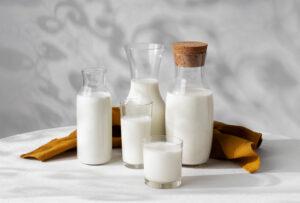 According to WRI data, the average emission of cow’s milk is 330 g CO₂e/cup, while plant-based drinks show much lower values: soy 122 g, oats 102 g, almonds 98 g, peas 71 g, coconut 69 g CO₂e.
The variation in water use is even greater: cow’s milk uses 21 liters/cup, and almond drink uses almost the same amount, 19 liters, while soy uses 5 liters, oats 9 liters, and coconut uses only 1 liter of “blue water” (surface and groundwater extraction) in the comparison. There is no data on blue water for pea drink, however, according to the cited estimate by WRI, its total water footprint may be 86% lower than cow’s milk.
From a nutritional point of view, the protein content shades the picture: cow’s milk has 8.2 g protein/cup, pea drink 7.5 g, soy 6.1 g, while oats (2.7 g), almonds (1.0 g) and coconut (0.5 g) show much lower values.
From a commercial point of view, the numbers confirm that the “choice of milk” may increasingly be a question of sustainability positioning: plant-based drinks (especially soy and pea-based) may have a lower environmental footprint and a substantial protein content at the same time, while For almond drinks, water requirements may pose a special communication risk in water-stressed growing areas.
Related news
On the repeated extension of the extension of a market organisation measure
🎧 Hallgasd a cikket: Lejátszás Szünet Folytatás Leállítás Nyelv: Auto…
Read more >
Péter Szijjártó: Tolnatej Zrt.’s ten billion forint investment further strengthens the company’s competitiveness
🎧 Hallgasd a cikket: Lejátszás Szünet Folytatás Leállítás Nyelv: Auto…
Read more >
Coca-Cola invests again in Fairlife production
🎧 Hallgasd a cikket: Lejátszás Szünet Folytatás Leállítás Nyelv: Auto…
Read more >Related news
Damm Unveils Limited-Edition Packaging Designs To Mark 150th Anniversary
🎧 Hallgasd a cikket: Lejátszás Szünet Folytatás Leállítás Nyelv: Auto…
Read more >
Seed Association: procurement of small garden seeds has started
🎧 Hallgasd a cikket: Lejátszás Szünet Folytatás Leállítás Nyelv: Auto…
Read more >
Aldi, Auchan, Lidl, PENNY, SPAR, Tesco: in 2024 they paid more than 710 billion into the budget, while closing with a loss
🎧 Hallgasd a cikket: Lejátszás Szünet Folytatás Leállítás Nyelv: Auto…
Read more >
