
CBAM causes market disruption

Experts say figures warn of fertiliser crisis.
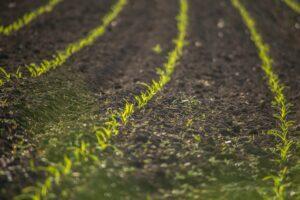
(Photo: Pixabay)
EU nitrogen fertiliser imports fell sharply after the Carbon Border Adjustment Mechanism (CBAM) came into force in January, prompting Copa & Cogeca to call for the measure to be suspended immediately and to draw attention to its impact on farmers. The umbrella organisation said Commission data showed the bloc imported 190,495 tonnes of nitrogen fertiliser in January 2026, down from 1,183,728 tonnes in January 2025. Imports have fallen to around 16% of their usual level.
The umbrella organisation called the decline following the application of CBAM to fertilisers a “dramatic and unprecedented collapse”
It said the figures confirmed its previous warnings that “without the necessary technical safeguards and market readiness, the introduction of CBAM to fertilisers would disrupt supply chains and increase costs for European farmers”. The organisation noted that nitrogen fertilisers account for around 46% of total EU fertiliser consumption, of which more than 30% is traditionally imported. Such a reduction “cannot be accepted without consequences” and “poses an immediate threat to the stability of agricultural production across the EU”, it said, pointing to the expectant market behaviour observed in December 2025, before the implementation of CBAM. According to Commission data, imports were particularly brisk in December last year: 2,532,006 tonnes were imported, compared to 990,181 tonnes in 2024, with stockpiling evident.
At the same time, EU fertiliser prices in January 2026 were 25% higher than the 2024 average
With fertilisers accounting for an average of 15-30% of farmers’ input costs and the arable crop sector reporting a third year of negative profit margins, Copa & Cogeca warned that the situation “could quickly turn into a turning point in many Member States”. Stock levels are also a cause for concern. Current stocks cover only around 45-50% of farmers’ fertiliser needs for 2026 production, while countries such as Italy and Ireland have reported significantly lower levels. “When imports fall by more than 80%, when prices continue to rise and availability becomes uncertain, it is no longer just a theoretical concern. It poses a direct risk to EU agricultural production and food security,” Copa & Cogeca said. The organisation called for “the immediate suspension of the CBAM obligation on fertilisers” and urged structural measures to ensure the long-term availability and affordability of fertilisers within the EU. It added that it was ready to make proposals for the forthcoming Fertiliser Action Plan, but warned that without short-term measures, the production sector “could be plunged into a serious crisis.”
NAK
Related news
Four more products have been approved for drone application this spring
🎧 Hallgasd a cikket: Lejátszás Szünet Folytatás Leállítás Nyelv: Auto…
Read more >
Tibor Navracsics: rural Hungary must be further strengthened
🎧 Hallgasd a cikket: Lejátszás Szünet Folytatás Leállítás Nyelv: Auto…
Read more >
EU soybean acreage may increase
🎧 Hallgasd a cikket: Lejátszás Szünet Folytatás Leállítás Nyelv: Auto…
Read more >Related news

Big shopping begins, trade is prepared
🎧 Hallgasd a cikket: Lejátszás Szünet Folytatás Leállítás Nyelv: Auto…
Read more >
Nearly one and a half kilograms of ham and two dozen eggs: this is how Hungarians prepare for Easter
🎧 Hallgasd a cikket: Lejátszás Szünet Folytatás Leállítás Nyelv: Auto…
Read more >
The goal is to improve the quality of life for generations: Nestlé’s summary of shared value creation has been published
🎧 Hallgasd a cikket: Lejátszás Szünet Folytatás Leállítás Nyelv: Auto…
Read more >
