
No Buy 2026: the “no-buy” trend comes from Generation Z

The “no buy” and “low buy” challenges, which gained momentum on TikTok, are spreading spectacularly in early 2026: some of Generation Z consciously curb impulse purchases and tie them to pre-established rules on what they spend. The trend was summarized in the press by Ivett Werderits, citing examples from North Jersey and Newsweek, among others.
 The no buy is the stricter version: participants are only allowed to spend on unavoidable expenses (housing, utilities, food, health), and all “nice to have” items are temporarily banned. Low buy is more flexible: the limits are individual (for example, 1–2 items of clothing per month, less often a toy), but the essence is the same: replacing the “I deserve it” logic with planned spending.
From a commercial perspective, the most sensitive categories are fashion, beauty care, perfume, home decor and viral “gadgets” – that is, those where trends and quick replacement drive sales. The challenge for retail is not an absolute stop to sales, but rather a signal: customer demand for a transparent value proposition, durability, repairability and “smart” discounts is increasing instead of constant sales noise.
Related news
Generation Z: They’re not job hoppers, they just know what they want
🎧 Hallgasd a cikket: Lejátszás Szünet Folytatás Leállítás Nyelv: Auto…
Read more >
Generation Z: new rules on the labour market
🎧 Hallgasd a cikket: Lejátszás Szünet Folytatás Leállítás Nyelv: Auto…
Read more >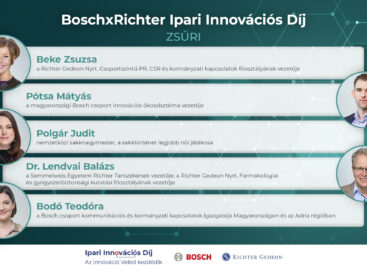
The future doesn’t wait: Bosch and Richter are looking for a new generation of innovators
🎧 Hallgasd a cikket: Lejátszás Szünet Folytatás Leállítás Nyelv: Auto…
Read more >Related news
What do we spread on our bread? Young people prefer butter, older people prefer margarine
🎧 Hallgasd a cikket: Lejátszás Szünet Folytatás Leállítás Nyelv: Auto…
Read more >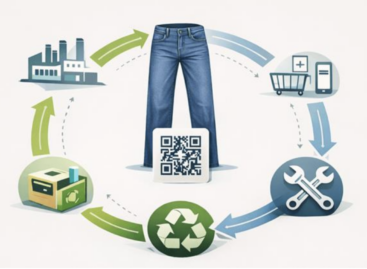
Products in the EU will receive a digital passport
🎧 Hallgasd a cikket: Lejátszás Szünet Folytatás Leállítás Nyelv: Auto…
Read more >
The Hungarian sports drink manufacturer has launched three new functional drinks
🎧 Hallgasd a cikket: Lejátszás Szünet Folytatás Leállítás Nyelv: Auto…
Read more >
