
This is our last chance to control GMOs

The European Parliament may adopt the draft regulation, which will essentially eliminate official control and monitoring of genetically modified products (new GMOs) made with new genetic technology, as early as early March. Anyone who disagrees with this – whether an organization or an individual – still has the opportunity to express their disagreement to the Hungarian MEPs, who can only effectively take action against the current form of the draft if they have the appropriate social support.
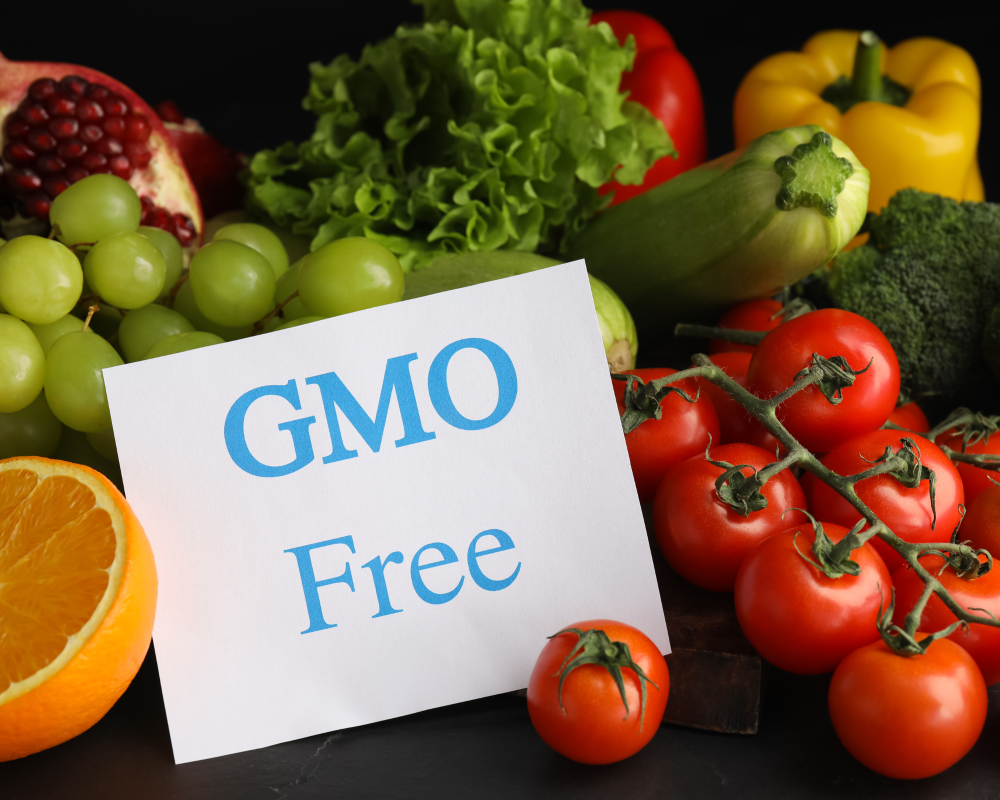
“Genetic technology is a process that can be used responsibly and irresponsibly, and accepted or rejected, all of this is a matter of decision. As an organization certifying organic farmers, we completely reject the use of genetic modification in the food industry and agriculture, because we do not see this as the solution, but we accept it if others have a different opinion about it,” Dr. Péter Roszík is an honorary associate professor and head of Biokontroll Hungária Nonprofit Kft.
However, the expert considers it unacceptable that the regulation would take away the opportunity to decide from people and institutions by stating that neither safety checks nor traceability would be mandatory for these products in the future, just as the packaging would not have to indicate that the product is made from genetically modified ingredients. This would – in his opinion – violate the right of consumers to self-determination: in the absence of information, they would not be able to consider what they would like to eat and what not, and this is just one of the serious problems.
According to the organization, breeders and producers would not be able to decide on the use of seeds either. For example, unlabeled products would make it more difficult to practice organic farming, where the use of GMOs is prohibited, including new technology GMO products.
At least as significant a risk is that companies producing GMO seeds could patent the seeds, allowing large multinational companies to determine what farmers should plant and what consumers should eat. Producers who use seeds that carry the characteristics protected by the company could even be sued if they did not buy them from that company.
Last but not least, eliminating the obligation to carry out safety checks would mean that it would basically depend on the goodwill or willingness to spend of these companies selling GMOs to determine how much and how thoroughly these products and crops are tested before being distributed. Obviously, no one intentionally causes harm, but no sufficiently exhaustive studies have been conducted on the medium and long-term effects of GMOs. If the regulation is passed, we will not be sure about the short-term effects either. “This is far from the opinion of domestic organic farmers or Biokontroll. Numerous Dutch, German, French, Italian and other scientific institutes are warning of the danger,” the expert added.
It really looks like those opposed to this form of the regulation can do only one thing: they can join the mass of citizens of the member states who express their intention and opinion in writing against the unmonitored use of GMOs. If we manage to reach the required number, mandatory labeling and monitoring may be possible. Many organizations, including Biokontroll, offer the opportunity to write this letter on their websites at https://www.biokontroll.hu/vedjuk-meg-a-gmo-mentes-mezogazdasagot/, where those who wish to join the initiative can also indicate the names of the representatives they would like to send the letter to.
“We hope that as many people as possible will express their opposition, because if the draft is passed, we will be letting a genie out of the bottle that cannot be brought under control again. International companies involved in GMO production have already done everything they can to dismantle the legal safeguards that prevent the enforcement of their business interests. We hope that this attempt will also be prevented through community cooperation,” concluded Dr. Péter Roszík.
Related news
The Hungarian Bioculture Association calls on the agricultural leadership to take effective action against the NGT decree
🎧 Hallgasd a cikket: Lejátszás Szünet Folytatás Leállítás Nyelv: Auto…
Read more >
New directions are needed for the further expansion of organic production
🎧 Hallgasd a cikket: Lejátszás Szünet Folytatás Leállítás Nyelv: Auto…
Read more >
Organic Agricultural Research Institute: Hungarian apples are safe
🎧 Hallgasd a cikket: Lejátszás Szünet Folytatás Leállítás Nyelv: Auto…
Read more >Related news
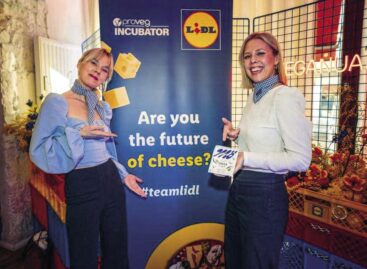
Oat-based “feta” wins the cheese innovation competition of Lidl Germany and ProVeg
🎧 Hallgasd a cikket: Lejátszás Szünet Folytatás Leállítás Nyelv: Auto…
Read more >
The horticulture of the future is being built in Szentes
🎧 Hallgasd a cikket: Lejátszás Szünet Folytatás Leállítás Nyelv: Auto…
Read more >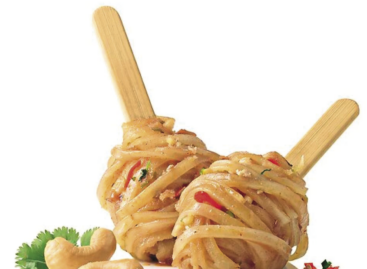
Finger Food Experience
🎧 Hallgasd a cikket: Lejátszás Szünet Folytatás Leállítás Nyelv: Auto…
Read more >
