
GLP 1: passing hype or a lasting trend?

The rapid global adoption of GLP‑1-based weight‑loss drugs is already reshaping food consumption patterns. Originally developed for diabetes, these medications significantly reduce appetite, which in turn lowers calorie intake and changes what consumers buy. Whether Europe will follow the U.S. in becoming a mass market for these drugs may be decided in the the very near future.
Shifting Food Spending
In the U.S., 18% of adults now use GLP‑1 drugs, and they account for 23% of all food spending. As appetite drops, grocery baskets become smaller: the “No Hunger Game” research from Cornell University shows that GLP‑1 users spend 5-6 per cent less on food in the first six months, with higher‑income households reducing spending even more. Fast‑food and restaurant purchases also fall by around 8 per cent.
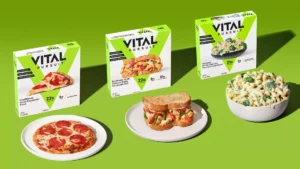
Nestlé introduced its first brand specifically developed for GLP‑1 users in the United States under the name Vital Pursuit. The 14 frozen meals, created with the help of chefs and dietitians, are rich in essential nutrients and high in protein to meet the special dietary needs of this consumer group
Healthier Basket Composition
Beyond buying less, consumers also buy differently. Purchases shift away from sugary, high‑carb, and highly processed foods toward high‑protein, high‑fiber, nutrient‑dense products. Research show that organic items and fresh produce gain ground, while salty snacks and sweet baked goods see the steepest declines.
Food companies are responding with new “GLP‑1‑friendly” product lines – high‑protein frozen meals, smaller portions, and reformulated recipes designed to support satiety and balanced nutrition.
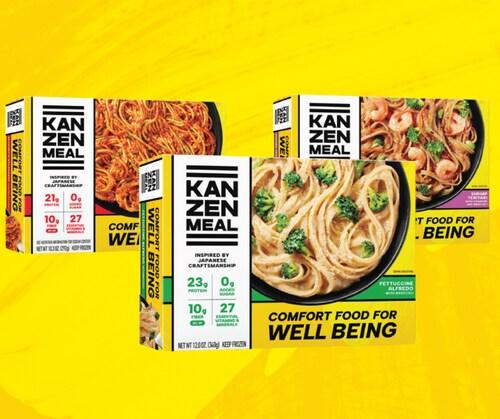
Nissin Foods’ frozen Kanzen Meal product line made its US debut last summer, with nationwide expansion planned for this year
Europe Growing Slower
In Europe, GLP‑1 drugs are prescription‑only, so adoption is slower-paced. According to Mintel, usage is around 7% in the UK and slightly lower in Germany, but expected to rise to as high as 10-15 per cent. Patent expirations this March giving way to cheaper generics, and a less scary, but more comfortable pill format could accelerate uptake. Retailers worry about potential revenue losses, as seen in DSK’s (Danish Trade Association) projections of significant annual declines.
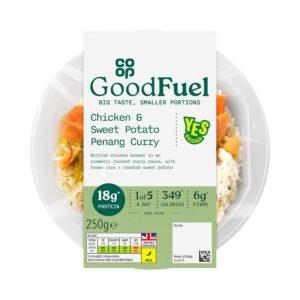
Co‑op became the first retailer in the UK convenience sector to launch its own private‑label, GLP‑1‑friendly ready‑meal range
Long‑Term Impact
Although spending tends to rebound after people stop taking the drugs, GLP‑1s reinforce broader health‑driven trends already underway. Rather than collapsing entire food categories, they push consumers toward more mindful, nutrient‑dense eating.
GlobalData’s expert warns, however, that over‑marketing products as “GLP‑1‑friendly” may alienate consumers simply looking for more discrete and healthier options. Focusing on protein, fiber, and overall nutritional quality may be a more viable strategy.

Related news
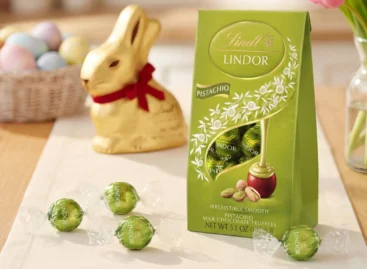
Lindt Says Weight-Loss Drugs Users Are Eating More Chocolate, Not Less
🎧 Hallgasd a cikket: Lejátszás Szünet Folytatás Leállítás Nyelv: Auto…
Read more >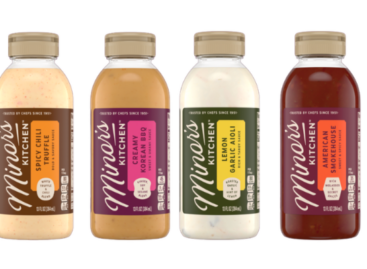
Nestlé USA enters at-home condiments space with new sauce brand
🎧 Hallgasd a cikket: Lejátszás Szünet Folytatás Leállítás Nyelv: Auto…
Read more >
Sauce, Spice Makers Attract Deal Interest As GLP-1s Send Americans Looking For Hot Stuff
🎧 Hallgasd a cikket: Lejátszás Szünet Folytatás Leállítás Nyelv: Auto…
Read more >Related news
SPAR renovated three of its stores with an investment of 880 million forints
🎧 Hallgasd a cikket: Lejátszás Szünet Folytatás Leállítás Nyelv: Auto…
Read more >
The government is helping dairy farmers with another 7 billion forints
🎧 Hallgasd a cikket: Lejátszás Szünet Folytatás Leállítás Nyelv: Auto…
Read more >
Vál-Völgye Bakery won ten awards at the 22nd International Bread Competition
🎧 Hallgasd a cikket: Lejátszás Szünet Folytatás Leállítás Nyelv: Auto…
Read more >
