
Protein, gut health and mental wellbeing – these trends will shape global food innovation in 2026

According to the food and beverage trend forecasts of Innova Market Insights, this year’s developments will focus on protein-rich, gut-healthy and stress-reducing solutions.
A cikk a Trade magazin 2026/02-03. lapszámában olvasható.
The macro environment surrounding consumers in 2026 will be defined by external pressures and uncertainty. Anxiety is a global phenomenon: half of shoppers say they are very or somewhat anxious about the events taking place around them. These circumstances have triggered lasting lifestyle changes that are also shaping the global food market. One-third of consumers try to manage stress through regular exercise, but conscious consumption has also become important. The lifestyle changes that deserve attention this year can be grouped into five main trends.
1. Relaxed sociability: today the majority of consumers (59%) prefer informal social interaction to formal gatherings (17%). Food continues to play a key role in strengthening social relationships and light, artisanal dishes reflect consumer desire for more informal social occasions.

2. Time for me: globally three out of ten people believe that spending time alone helps them manage stress and 29% say that indulging in food and drink fits perfectly into the concept of “me time”.
3. Vitality and longevity: according to the UN World Population Prospect 2024 forecast, the number of people older than 60 years could increase from the current 1.1 billion to 1.4 billion by 2030. The market for products aimed at longevity and vitality includes both more scientific, “lab-based” approaches and slower, traditional approaches such as Ayurveda and traditional Chinese medicine (TCM).

4. My tech mate: 57% of shoppers are interested in ways to use AI beyond what has been done so far and 50% are convinced that AI supports creativity. This demand is met by the Lifesum nutrition tracking and analysis app, which can analyse data from millions of products using a barcode scanner.
5. Simplified life: 29% of consumers have simplified their lives for the sake of their mental well-being, and 31% feel that spending time outdoors and in nature is all it takes to reduce stress. Other key elements of this trend include reducing screen time.
What can we expect in 2026?
Based on these lifestyle changes, in November Innova Market Insights presented ten trends that will influence food product innovation in 2026 – based on a survey of approximately 14,000 consumers worldwide.
Trend #1 – Powerhouse protein: one of the most persistent trends in recent years has been protein and its momentum continues unabated. Consumers expect a protein-rich diet to improve their athletic performance and recovery, boost their immune system, help them manage their weight and promote healthy aging. They try to support their health with protein on a variety of occasions and in different forms: globally, three out of five people are looking to increase the amount of protein in their diet by choosing milk and milk drinks, as well as other protein sources.

The number of new food and drink product launches containing protein and at least one health claim has risen by 32%, while innovations promising protein and weight‑management benefits have also increased by 29%
Trend #2 – Gut health hub: consumers are increasingly aware of when their digestion is good and consider intestinal health to be the starting point for overall physical and mental well-being: nearly 60% share the opinion that general health depends on the condition of the intestinal tract. They not only recognise the importance of proper digestion, but (44%) also its positive effects on other areas such as energy levels, skin condition and immune system function.
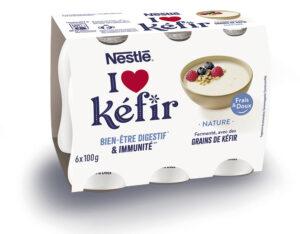
In France, Nestlé displays its claims about the positive effects on digestion and the immune system prominently on the packaging of its ILoveKefir products
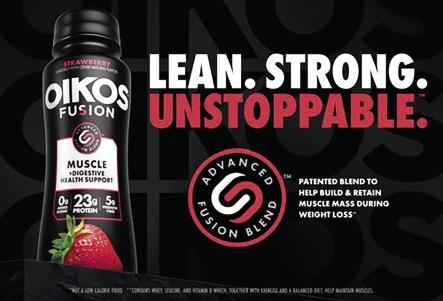
Danone North America’s OIKOS FUSION™ drink is the first product in the yogurt category to combine whey, leucine and vitamin D, specifically tailored to the needs of GLP‑1 users
Trend #3 – Layers of delight: indulgence is more important today than ever before and it is no longer just about flavours and sensory pleasures: we now expect it to be a complex experience that influences our mood and promotes well-being. More and more foods and beverages promising indulgence are lining store shelves – the number of new launches grew by 26% between July 2024 and June 2025.
Trend #4 – Beverages with purpose: in the field of wellness-focused product development, innovative beverages offering health benefits are now leading the way. Particularly prominent are practical, easy-to-consume ingredients that support hydration – the number of new products launched with this promise has grown by an average of 18% in one year. 51% of respondents said they increased their beverage consumption because they considered it healthy.

These days, consumers hardly ‘drink’ anymore — they ‘hydrate
Trend #5 – Authentic plant-based: plant-based products have been a defining feature of food industry trends in recent years, but their development will take a new direction in 2026. The essence of the authentic plant-based trend is that these products no longer try to imitate animal-based protein sources, but rather strive to succeed on the market with their own natural nutrient content – especially their natural plant protein content.

Last July, Beyond Meat dropped the word ‘Meat’ from its name, signalling a shift away from imitating animal‑based proteins and towards developing standalone plant‑based innovationsl
Trend #6 – Made for moments: brands are increasingly designing their products for a wide variety of consumption occasions. The focus isn’t solely on health benefits anymore, but also on how well the packaging of food and beverages fits into everyday situations. For instance single-serving, resealable packages that offer longer and repeated enjoyment are becoming increasingly popular for snacks.
Trend #7 – Worth every bite: this trend is about shoppers looking for value for money at a time when economic pressures are being felt on a daily basis. Affordability and availability have become the most important factors for consumers when it comes to their diet: one in three respondents feel this way. In uncertain times many people simply want to eat well.
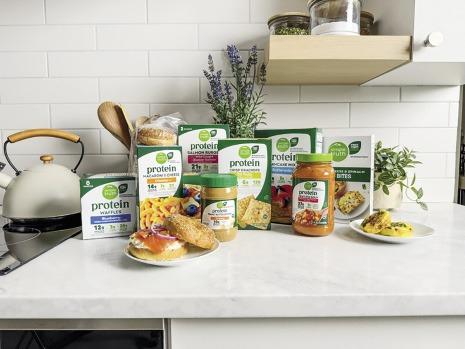
Kroger’s Simple Truth Protein private‑label range, launched last autumn, addresses both affordability and rising demand for protein. The line includes more than 80 high‑protein products free from artificial colours, flavours and preservatives
Trend #8 – Mind balance: mental well-being is becoming increasingly important. In today’s stressful world consumers will prefer foods and beverages in 2026 that naturally increase their energy levels, help relieve stress and support brain function.
Trend #9 – Crafting tradition: in uncertain times consumers turn to traditions that are authentic, provide security and reinforce identity. People place great value on using traditional recipes and preserving traditional flavours in their own culture (23%), but they are also interested in dishes from other cultures (17%).
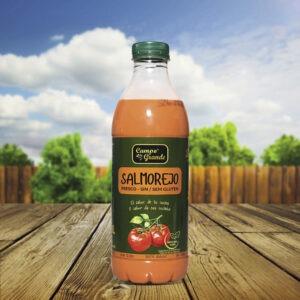
One of the award‑winning innovations at Anuga 2025 is this traditional Andalusian cold soup made from tomatoes and bread with olive oil, garlic and salt, free from preservatives — now also available in a gluten‑free version to meet new consumer needs
Trend #10 – Justified choices: shoppers want their food choices to be consistent with sustainability principles, which should be tangible and transparent. More and more people are paying attention to supporting local economies, which is reflected in the growing number of claims appearing on the packaging.

The Rainforest Alliance’s new Regenerative Agriculture Standard logo, introduced last September, supports more secure livelihoods for farmers and companies practising soil‑restorative agriculture, as well as the restoration of tropical ecosystems

Related news

Mihály Varga: food industry development strengthens the country’s stability
🎧 Hallgasd a cikket: Lejátszás Szünet Folytatás Leállítás Nyelv: Auto…
Read more >

Winemaker of the Year 2025
🎧 Hallgasd a cikket: Lejátszás Szünet Folytatás Leállítás Nyelv: Auto…
Read more >Related news

Spring renewal: interest in surprising products increased in spring
🎧 Hallgasd a cikket: Lejátszás Szünet Folytatás Leállítás Nyelv: Auto…
Read more >
A new director will lead Nestlé’s factories in Szerencs and Diósgyőr from April
🎧 Hallgasd a cikket: Lejátszás Szünet Folytatás Leállítás Nyelv: Auto…
Read more >
A new era in packaging safety: technological constraints and stricter controls in 2026
🎧 Hallgasd a cikket: Lejátszás Szünet Folytatás Leállítás Nyelv: Auto…
Read more >
