
Gasoline, used, for 3.9 million – this is how middle-aged Hungarians plan to buy a car

Four out of ten middle-aged people plan to buy a car in the next year, according to the K&H Sure Future research, which examined, among other things, the opinion of people aged 30 to 59 on transportation. However, only 8 percent of the 42 percent considering buying a passenger car say this for sure. Three-quarters of those planning to buy a car would rather opt for a used vehicle, while 27 percent would buy a new car. 47 percent would choose a gasoline car, while 15 percent are considering a hybrid and only 5 percent are considering a purely electric one. On average, they would spend 3.9 million forints on their next car, which is a slight decline compared to 4.1 million forints a year earlier.
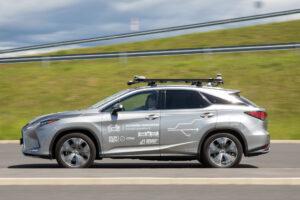 The average age of Hungarian passenger cars is now over 16 years, but the development of a more environmentally friendly fleet requires the purchase of new cars, which may be supported by the increase in real wages and the improving economic outlook in the coming period. The K&H Sure Future survey reveals what 30–59-year-olds plan to buy a car.
Four out of ten
According to the research, 42 percent of the 30–59-year-olds surveyed are thinking about buying a car in the next year, but only 8 percent of them say that they will definitely buy one. In other words, many are “playing with the idea”, but only a few are expected to actually buy one. The proportion of those planning to buy a car is at the level of recent years, so we cannot speak of a breakthrough yet. The plans are not uniform: among those living in the central region, close to the capital, the proportion of those considering changing cars is higher than average, and those who drive a lot are also more active. The more kilometers someone drives, the more likely they are to think about changing cars, and even among those who promise to buy for sure, the proportion of those driving more than 20 thousand kilometers per year was the highest, 14 percent.
What?
Among those planning to buy a car, the dominance of used cars remains clear: 73 percent would rather buy a used vehicle and only 27 percent plan to buy a new car. The latter is most desired by those living in Budapest: 41 percent of them would buy a new one, while in cities this proportion is 27 percent and in villages only 19 percent.
Based on the drive types, 47 percent of those planning to buy would choose a gasoline car, while the proportion of diesel is 16 percent. Interestingly, although diesels are in decline in the new car market, women would choose them at a higher rate than average, 22 percent of them would buy a used or new diesel car. In addition, 45 percent of those who currently drive a diesel car would stay with this technology.
According to the survey, another 15 percent of those planning to buy a car would buy a hybrid, 5 percent a purely electric car, and 17 percent are undecided about which drivetrain they would choose when buying.
How much?
On average, those who considered buying a car would spend 3.9 million forints on the purchase. Among the most frequently mentioned price categories, nearly half, 47 percent, of those planning to buy do not want to spend more than 2 million forints, while the proportion of those indicating the 3-4 million forint price category is 20 percent, but the proportion of those interested in cars priced at 5-6 million can also be considered significant, at 18 percent. The higher price category, between 7-10 million forints, was mentioned by 11 percent, while the range over 10 million forints was mentioned by only a few, 4 percent of those interested in buying. Among those living in the central region and those with higher incomes, the average range is typically higher, over 4-5 million forints.
According to the results of the K&H Sure Future research, the renewal of the Hungarian car fleet continues to be slow, and for the majority, a petrol, used car is the most realistic choice. If real wages increase permanently and the economic outlook becomes more stable, there may be room for the spread of newer, more modern cars – including hybrid and electric – which would be an important step in rejuvenating the current average age of cars over 16.
About the K&H Secure Future Research
The aim of the K&H Secure Future Research cited in the announcement is to present quarterly changes in the sense of security of the 30-59 year old population. In addition to assessing the financial situation, the survey examines various current topics in detail each quarter: the development of the desire to travel, retirement prospects and the amount of money that can be spent on retirement savings, the housing situation and prospects of members of this age group, as well as their opinions on transport, including transport safety and vehicle safety. The number of respondents is 500 per quarter, and their composition represents the Hungarian population aged 30-59 based on gender, age, region and settlement type. The most recent survey was conducted between October 27 and November 5, 2025.
Related news

In addition to their wallets, Hungarians are also worried about unexpected expenses
🎧 Hallgasd a cikket: Lejátszás Szünet Folytatás Leállítás Nyelv: Auto…
Read more >

Transportation in the smart cities of the future – how do self-driving and related technologies make our lives safer?
🎧 Hallgasd a cikket: Lejátszás Szünet Folytatás Leállítás Nyelv: Auto…
Read more >Related news

Oat-based “feta” wins the cheese innovation competition of Lidl Germany and ProVeg
🎧 Hallgasd a cikket: Lejátszás Szünet Folytatás Leállítás Nyelv: Auto…
Read more >
The horticulture of the future is being built in Szentes
🎧 Hallgasd a cikket: Lejátszás Szünet Folytatás Leállítás Nyelv: Auto…
Read more >
Finger Food Experience
🎧 Hallgasd a cikket: Lejátszás Szünet Folytatás Leállítás Nyelv: Auto…
Read more >
