Europeans throw away 812.6 million pieces of children’s clothing every year
Europeans throw away 812.6 million pieces of children’s clothing every year: Epson helped create a doll-sized fashion show using recycled materials
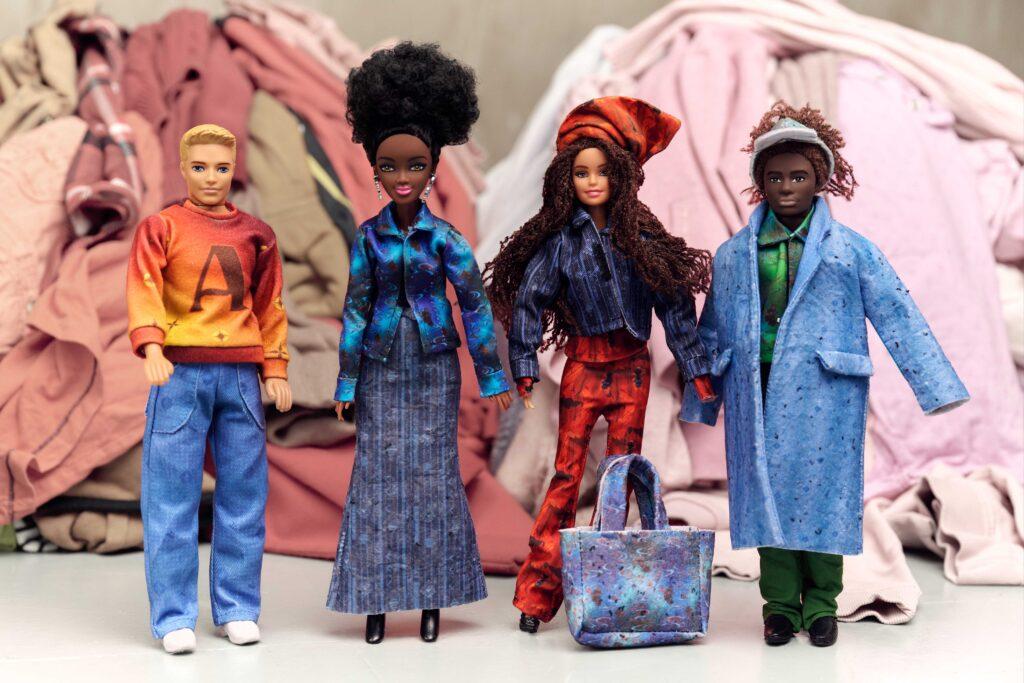 Epson has teamed up with sustainability-minded fashion designer Priya Ahluwalia to create Fashion Play, the first doll-sized fashion collection made from textile waste. The project is powered by Epson’s groundbreaking Dry Fiber technology, which transforms old textiles into recycled garments without the use of water or harsh chemicals.
The mini collection also highlights new research from Epson that shows a staggering 812.6 million pieces of children’s clothing end up in landfill in Europe every year. This number would be enough for a pile of clothes 918 times larger than the height of Mount Everest.
Fashion Play is a playful yet powerful reminder of the scale of waste in the fashion industry and the need to rethink the way children’s clothing is produced and disposed of. In addition to Dry Fiber technology, other methods have been used to produce the garments, such as Epson’s next-generation digital textile printer, the Monna Lisa, which can reduce the amount of water used in the color printing stage of garment production by up to 97%.
About the collection, Priya Ahluwalia, Creative Director and Founder of Ahluwalia, said: “Traveling to India and Nigeria, I witnessed the true extent of textile waste generated by the Western second-hand clothing industry. This experience left a deep impression on me, and since then I have strived to work in a way that is better for people and the planet, especially in the southern hemisphere. Our collaboration with Epson goes beyond fashion. It is about starting a conversation about sustainability on many levels, from how we dress to what we choose for our loved ones. Through this miniature collection made with Dry Fiber technology, we want to show that innovation and imagination can transform the future of fashion.”
The research found that on average, European children buy 64 items of clothing by the age of 16 (the equivalent of 28 full bin bags), totalling 4.3 billion items. 42% of parents say their children still have clothes in their wardrobes that are still labelled and never worn, while 54% have already thrown away or repurposed clothes they have never worn. While 52% of European parents are actively considering buying more sustainable clothes for themselves, more than a third (35%) admit to getting rid of their children’s clothes as quickly and easily as possible.
Maria Eagling, Epson’s Chief Marketing Officer, said: “Fashion offers a creative outlet for self-expression for all ages, but we all have a role to play in making better choices about what we buy and how we dispose of it when we no longer need it. While there are simple steps consumers can take – such as reducing the amount they buy and prioritising second-hand clothes – we wanted to show how innovations like Dry Fiber technology can also help reduce the amount of clothes going to landfill. The Fashion Play collection playfully references how much we love to dress up (which starts when we are children), but also highlights the “We are also very excited to be working with Priya Ahluwalia, a designer we admire for her commitment to upcycling and for creating beautiful pieces that are not harmful to the planet.”
Other findings from the research:
- On average, European parents spend €540 (around 200,000 Ft) a year on their children’s wardrobe
- 6% of parents buy new clothes for their children every week.
- Children’s clothes are worn an average of 27 times.
- 27% of parents admit to throwing their children’s clothes in the bin due to lack of time
- 55% of parents don’t know that most children’s clothes contain synthetic fibers that can take up to 450 years to decompose
- During the Christmas season, friends and family buy children about six items of clothing, two of which they will never wear

Related news
The goal is to improve the quality of life for generations: Nestlé’s summary of shared value creation has been published
🎧 Hallgasd a cikket: Lejátszás Szünet Folytatás Leállítás Nyelv: Auto…
Read more >
Just Eat Takeaway.com brings sustainable packaging range to European markets
🎧 Hallgasd a cikket: Lejátszás Szünet Folytatás Leállítás Nyelv: Auto…
Read more >
H&M’s quarterly profit increased significantly
🎧 Hallgasd a cikket: Lejátszás Szünet Folytatás Leállítás Nyelv: Auto…
Read more >Related news
Big shopping begins, trade is prepared
🎧 Hallgasd a cikket: Lejátszás Szünet Folytatás Leállítás Nyelv: Auto…
Read more >
Nearly one and a half kilograms of ham and two dozen eggs: this is how Hungarians prepare for Easter
🎧 Hallgasd a cikket: Lejátszás Szünet Folytatás Leállítás Nyelv: Auto…
Read more >
The goal is to improve the quality of life for generations: Nestlé’s summary of shared value creation has been published
🎧 Hallgasd a cikket: Lejátszás Szünet Folytatás Leállítás Nyelv: Auto…
Read more >

