
The EP adopted rules strengthening the protection of the EU wine sector

On Tuesday, the European Parliament supported the new rules with a large majority, which aim to strengthen the protection of the EU wine sector, support producers and open up new market opportunities, the body announced.
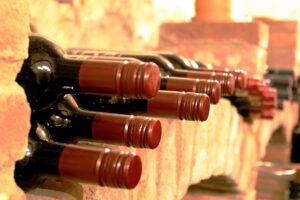
With 625 yes votes, 15 against and 11 abstentions, the deputies approved the temporary agreement reached with the member states last December. The new package of rules is aimed at dealing with the challenges affecting winemakers, as well as facilitating adaptation to market developments.
The adopted legislation introduces clear labeling rules for de-alcoholized and reduced-alcohol wines
The label “alcohol-free 0.0%” can be used if the alcohol content of the product does not exceed 0.05% by volume. Wines with an alcohol content above 0.5% by volume, but at least 30% lower than the usual alcohol content of the given type of wine, can bear the label “reduced alcohol content”. According to the EU Parliament, the law provides greater flexibility and more resources for wine producers. In the event of serious natural disasters, extreme weather events or plant diseases, grape growers can receive additional support. The legislation enables the use of EU funds to clear cropland. The national payment ceiling that can be used for wine distillation and green harvesting is set at 25 percent of the total available funds per member state.
The measures also cover the promotion of wine tourism and exports
Programs supporting rural economic growth and promoting quality European wines in third countries can receive up to 60 percent EU co-financing. Member States can provide an additional 30 percent support to small and medium-sized enterprises, and 20 percent to larger companies. Eligible activities may include advertising campaigns, events, exhibitions and studies. The financing can be for three years, which can be renewed twice, so it can last nine years in total.
The approval of the Council, which brings together the member states, is still needed for the temporary agreement to enter into force
Fidesz MEPs Csaba Dömötör and Enikő Győri drew attention in their press release: the European wine sector is in a serious crisis, so targeted, quick and meaningful support is needed. They pointed out: European wines are increasingly displaced by imports from third countries, while the market opening forced by the European Commission further accelerates this process. All this is taking place at a time when wine consumption is declining across Europe. It was highlighted: the situation is further aggravated by climate change, due to which grape growers have to adapt to extreme weather conditions more and more often. In addition, previously uncharacteristic plant diseases are also appearing in new regions, such as golden yellow, which not only causes crop loss, but also threatens the entire plantation structure and rural livelihoods in the longer term.
According to Csaba Dömötör, the crisis will not be solved with just a few partial measures
“The wine sector needs targeted, quick and meaningful support that provides real protection against unfair competition,” he pointed out. Enikő Győri also warned that it would be a cause for particular concern if the European Union intends to spend less resources on agriculture as a whole in the next period, as the effects of this would be felt immediately by the wine sector. “It only takes time for the good wine to mature. The committee will immediately issue the lower-level legislation on the basis of which the member states can start amending the strategic plans. This is needed quickly, without tricks, hidden interpretations of the law and overstepping of authority,” he emphasized. According to the representatives, Europe’s wine regions and wineries deserve much more attention, care and resources. “If the European Union takes seriously the future of rural communities and the preservation of European agricultural traditions, the wine sector cannot be left alone,” they added.
MTI

Related news
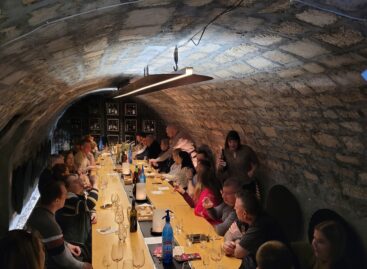
Budapest’s Wine District celebrates three anniversaries in 2026
🎧 Hallgasd a cikket: Lejátszás Szünet Folytatás Leállítás Nyelv: Auto…
Read more >
József Viski: We are committed to supporting the grape and wine sector
🎧 Hallgasd a cikket: Lejátszás Szünet Folytatás Leállítás Nyelv: Auto…
Read more >
We are committed to supporting the grape and wine sector
🎧 Hallgasd a cikket: Lejátszás Szünet Folytatás Leállítás Nyelv: Auto…
Read more >Related news
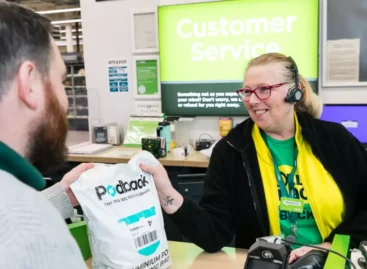
Asda And Podback Recycle 20 Million Coffee Pods In First Year Of Partnership
🎧 Hallgasd a cikket: Lejátszás Szünet Folytatás Leállítás Nyelv: Auto…
Read more >
Danone buys meal-replacement firm Huel
🎧 Hallgasd a cikket: Lejátszás Szünet Folytatás Leállítás Nyelv: Auto…
Read more >
Zalando is scaling up its use of AI-powered warehouse robots
🎧 Hallgasd a cikket: Lejátszás Szünet Folytatás Leállítás Nyelv: Auto…
Read more >
