
Consumers are having trouble following new food pyramid

Some are using older models and packaged and processed foods still dominate purchases
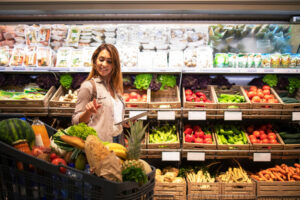
Numerator, a consumer data and technology company, released a new report Tuesday shedding light on the grocery shopping habits of U.S. households and their awareness of the updated dietary guidelines introduced by the U.S. government in January. The findings, based on verified purchase data and a survey of 2,000 U.S. consumers, reveal significant gaps in knowledge and adherence to the new food pyramid, with cost, preferences and product availability posing major challenges.
The report, titled “The New Food Pyramid: How Will Consumer Behavior Change?”, highlights that only 42% of U.S. consumers recognize the new food pyramid as the current dietary guideline. Meanwhile, outdated nutrition models persist, with 19% of respondents identifying the USDA MyPyramid from 2005 as the current standard and 18% pointing to the USDA MyPlate from 2011.
Key Findings:
- Outdated nutrition knowledge persists: While 42% of consumers correctly identify the new food pyramid, a significant portion still relies on older guidelines, underscoring a need for better public education on nutrition
- Shift toward fresh foods preceded new guidelines: Grocery trips to fresh food departments, often referred to as the perimeter of the store, began increasing in 2023. By December 2025, trips to these sections were up 7.5% compared to the previous year. However, packaged and processed goods in the center store still dominate sales, accounting for 49% of grocery purchases, compared to 42% for fresh foods and 9% for frozen items
- Household size impacts fresh food spending: Single-person households allocate 43% of their grocery budgets to fresh foods, but this share declines as household size increases, dropping to 40% for households with five or more members. Income also plays a role, with high-income households spending 44% on fresh foods, compared to 42% for low-income households and 40% for middle-income households
- Cost of alignment is high: Fully adhering to the new food pyramid would increase household grocery spending by 32%, or an average of $1,012 annually, creating a significant financial barrier for many families
- Trust in government nutrition guidance is low: Only 37% of consumers trust government dietary recommendations, while 28% express outright distrust and 35% remain neutral. Interestingly, consumers who distrust government guidance spend a higher share of their grocery budgets (48%) on fresh foods compared to those who trust the guidelines (42%)
- Generational divide in trust: Younger generations, including Gen Z and millennials, are more likely to express strong distrust in government nutrition advice, while boomers are more inclined to trust it
- Perceived alignment with guidelines: Over half of consumers (53%) believe their current grocery spending aligns with the new food pyramid, while 33% feel neutral and 14% say they are misaligned
- Barriers to alignment: The top obstacles cited by consumers include price and affordability (49%), household preferences (34%) and time or convenience (21%). Other factors include product availability (18%), conflicting health advice (18%), lack of interest (17%) and dietary restrictions (14%)
- Consumer suggestions for improvement: Shoppers say they could better align with the new guidelines if prices were lower or value packs were available (50%), product labeling was clearer (22%), assortments were improved (18%) and more convenient formats were offered (16%)
The findings underscore the challenges U.S. households face in adopting the new dietary guidelines, with affordability and accessibility emerging as key hurdles. As consumers navigate these barriers, the report suggests that clearer communication, better pricing and improved product availability could help bridge the gap between current behaviors and recommended practices.
Related news
Molson Coors buys Monaco Cocktails owner in RTD expansion
🎧 Hallgasd a cikket: Lejátszás Szünet Folytatás Leállítás Nyelv: Auto…
Read more >
Coca-Cola invests again in Fairlife production
🎧 Hallgasd a cikket: Lejátszás Szünet Folytatás Leállítás Nyelv: Auto…
Read more >
Consumers have had enough of promotional spam e-mails
🎧 Hallgasd a cikket: Lejátszás Szünet Folytatás Leállítás Nyelv: Auto…
Read more >Related news

Aldi, Auchan, Lidl, PENNY, SPAR, Tesco: in 2024 they paid more than 710 billion into the budget, while closing with a loss
🎧 Hallgasd a cikket: Lejátszás Szünet Folytatás Leállítás Nyelv: Auto…
Read more >
OKSZ: Household consumption cannot keep up with the growth rate of real wages
🎧 Hallgasd a cikket: Lejátszás Szünet Folytatás Leállítás Nyelv: Auto…
Read more >
KSH: retail turnover in February exceeded the same period of the previous year by 3.8 percent and the previous month by 0.4 percent
🎧 Hallgasd a cikket: Lejátszás Szünet Folytatás Leállítás Nyelv: Auto…
Read more >
