
Ministry of Agriculture supports the food industry’s adaptation to new challenges

Global climate change affects all areas of food production, and has an impact on the natural environment and the economy. By reviewing the entire food system, every step of the food chain, it is clear at which points the changes have what effects – said Olga Beáta Felkai, Deputy State Secretary responsible for the food chain at the Ministry of Agriculture, at the Action Leaders Conference, at the Buda Campus of the Hungarian University of Agricultural and Life Sciences.
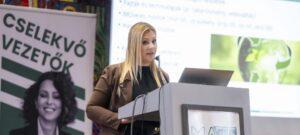
(Photo: AM/Csaba Pelsőczy)
The Deputy State Secretary explained that soil protection is a priority task, since although Hungary’s soil conditions are excellent, their renewal requires conscious intervention. The condition of the soil is deteriorating, which is why the domestic action plans and programs have been prepared in line with EU expectations. In crop production, extreme weather situations – drought, ice, floods – justify the use of modern varieties, technologies and cultivation methods. She added that animal protection is also an integral part of sustainability. Recent European and domestic epidemiological events – bluetongue, avian influenza, African swine fever and foot-and-mouth disease – as well as plant health challenges, such as golden yellows in grapes, have shown that changes can occur quickly in agriculture and the food industry, which is why forward-looking management is essential. Beáta Olga Felkai emphasized that the basis of sustainable food processing is the use of energy-efficient, environmentally friendly technologies, the reduction of packaging materials and waste, the strengthening of water conservation and the support of green and digital developments. He added that short supply chains and climate-conscious solutions in trade are becoming increasingly important: shorter transport routes, sustainable packaging and efficient waste management all contribute to reducing the environmental burden. This is closely linked to the fact that reducing food waste is a priority goal at both the EU and domestic levels.
The Deputy State Secretary pointed out that increasing competitiveness is a complex task
Strengthening raw material production, developing education and training, supporting innovation, improving the regulation and safety of the food chain, and making the product path more transparent are all important elements of this, as is the intensification of market competition.
AM

Related news
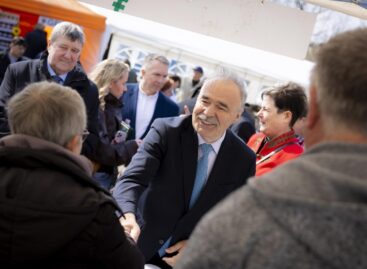
Ministry of Agriculture has started the preparation of a new state origin certification mark
🎧 Hallgasd a cikket: Lejátszás Szünet Folytatás Leállítás Nyelv: Auto…
Read more >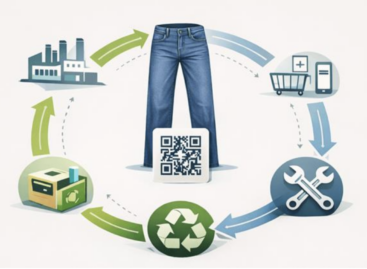
Products in the EU will receive a digital passport
🎧 Hallgasd a cikket: Lejátszás Szünet Folytatás Leállítás Nyelv: Auto…
Read more >
Mushroom growers inspected by Nébih
🎧 Hallgasd a cikket: Lejátszás Szünet Folytatás Leállítás Nyelv: Auto…
Read more >Related news
Ministry of Agriculture has started the preparation of a new state origin certification mark
🎧 Hallgasd a cikket: Lejátszás Szünet Folytatás Leállítás Nyelv: Auto…
Read more >
What do we spread on our bread? Young people prefer butter, older people prefer margarine
🎧 Hallgasd a cikket: Lejátszás Szünet Folytatás Leállítás Nyelv: Auto…
Read more >
Products in the EU will receive a digital passport
🎧 Hallgasd a cikket: Lejátszás Szünet Folytatás Leállítás Nyelv: Auto…
Read more >
