
Data-driven carbon footprint reduction in practice: measurement and compensation at SPAR’s key events
SPAR Hungary continued its practice of organizing its key corporate events with a carbon-conscious approach. According to a study conducted with the involvement of an independent expert, planting 304 native fruit trees ensures balance with nature.
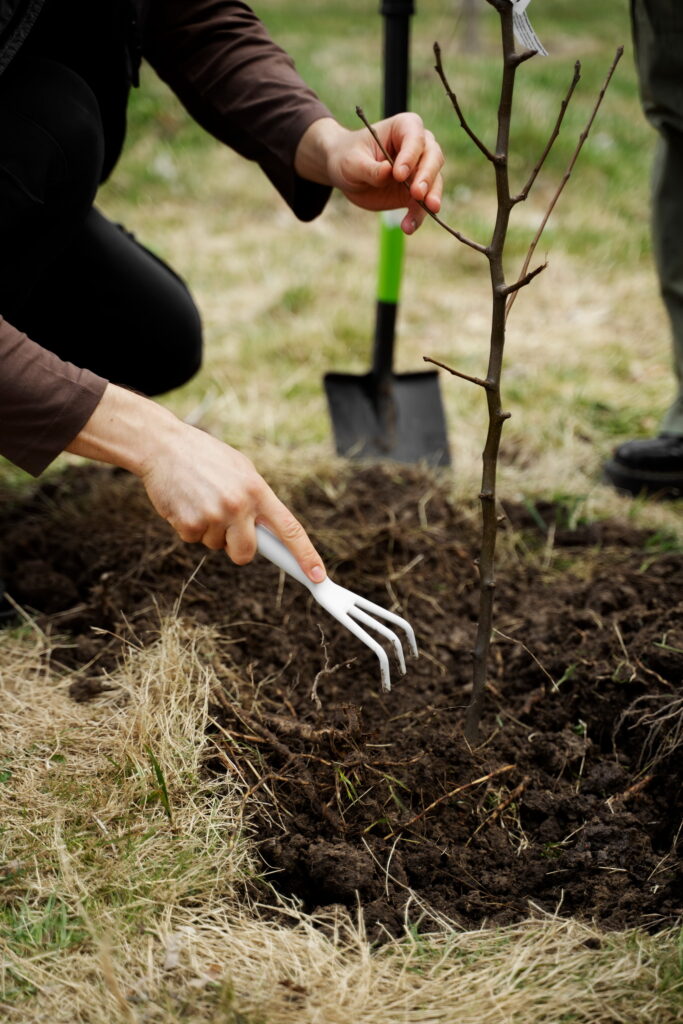 SPAR Hungary measured the carbon footprint of its two defining events last year, the press conference held on the occasion of the publication of the annual business report and the partner event related to the Budapest Wine Festival, similarly to previous years, with the involvement of an independent expert, and based on the results, this year it will voluntarily compensate for the emissions related to the events by planting a total of 304 native fruit trees over a five-year period. The calculations were carried out by the GreenDependent Institute, which examined the wide-ranging environmental impact of events, from the number of participants and travel methods, to meals, energy used and printed materials, to the operation of technical equipment. The results of the surveys clearly confirmed that SPAR has consciously incorporated the recommendations of previous years into its event management practices in recent years, which has resulted in a measurable reduction in carbon emissions.
In the case of the press conference presenting the annual business report in April 2025, the largest carbon footprint was from the food. However, significant progress has been made in this area: at the 2025 event, carbon dioxide emissions related to food were reduced by almost a third compared to the previous year. The improvement is primarily due to the radical reduction in the amount of meat dishes, which clearly shows that conscious menu planning has a significant environmental impact.
The carbon footprint analysis of the partner event of the Budapest Wine Festival in September 2025 also yielded similar experiences. As in previous years, emissions related to meals proved to be the most significant factor, but there was a noticeable decrease compared to previous years. A particularly positive result is that the amount of waste generated has been significantly reduced compared to 2024, while the remaining food has been used in the form of donations in each affected year.
“Sustainability is a continuous learning and development process for us. We are proud that we have been able to achieve tangible results by incorporating previous professional suggestions, but at the same time we remain open to acting even more responsibly in all areas of our operations”
– emphasized Márk Maczelka, Head of Communications at SPAR Hungary.
The 304 native fruit trees to be planted in the spring of 2026 as part of the five-year carbon offset will come from the stock of Gyula Kovács’ Fairy Garden in Zala and will be placed in school gardens and gardens of non-profit institutions with the cooperation of GreenDependent. Trees not only serve to offset emissions, but also create educational and community value in the long term, while contributing to the preservation of biodiversity and Hungarian landscape varieties.
Related news

Action Results 2025: Strong Growth and Progress Sustainability Programme
🎧 Hallgasd a cikket: Lejátszás Szünet Folytatás Leállítás Nyelv: Auto…
Read more >
Generation Z vs. senior executives: young people are ready, companies need to act now
🎧 Hallgasd a cikket: Lejátszás Szünet Folytatás Leállítás Nyelv: Auto…
Read more >
Asda And Podback Recycle 20 Million Coffee Pods In First Year Of Partnership
🎧 Hallgasd a cikket: Lejátszás Szünet Folytatás Leállítás Nyelv: Auto…
Read more >Related news
István Nagy: the government’s goal is to further strengthen the competitiveness of Hungarian agriculture and place the future of domestic agriculture on a solid foundation
🎧 Hallgasd a cikket: Lejátszás Szünet Folytatás Leállítás Nyelv: Auto…
Read more >
Bulk shopping has become significantly cheaper: more than 900 products are available at much lower prices than a year ago
🎧 Hallgasd a cikket: Lejátszás Szünet Folytatás Leállítás Nyelv: Auto…
Read more >
EY: Activity increased, yet the value of the Hungarian M&A market decreased significantly
🎧 Hallgasd a cikket: Lejátszás Szünet Folytatás Leállítás Nyelv: Auto…
Read more >
