
The secret currencies of loyalty

PwC manager Virág Kiss told in her presentation that there is a great variety of loyalty programmes available on the Hungarian market – more than in other countries of the region –and Hungarian shoppers aren’t only familiar with them, but also happy to join them.
This article is available for reading in Trade magazin 2025/12-2026.01
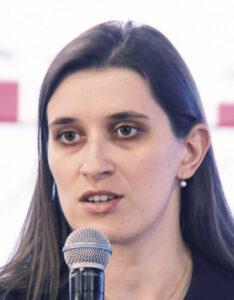
Virág Kiss
manager
PwC
Although they typically participate in four or five programmes on a regular basis, their choice isn’t based solely on the rationality of the offers. Consumer decisions are made much more relying on emotions, impressions and personal experiences than on conscious considerations. When creating loyalty programmes, it isn’t a good idea to think solely in terms of business logic, as the majority of consumers don’t operate on a transaction basis.
Influential future trends
Global trends in customer loyalty programmes reflect the contradictory expectations of consumers: while the demand for digital solutions is on the rise, personal experiences and freedom of choice also play a key role. Instead of the classic channel-based approach, we now need to talk about integrated loyalty programmes, where physical cards have been pushed into the background by apps. Different age groups increasingly expect programmes to be accessible on mobile devices and to work in real time in physical spaces. At the same time, sales staff continue to play a decisive role in the operation of successful loyalty programmes. Although many people may find it annoying to be asked if they have a loyalty card every time they make a purchase, this simple interaction serves as a reminder and helps activate the programme. There is also a shift in the types of rewards: time is up for the classic “earn and burn” model, as point shop solutions are gaining ground.
The secret “currencies” of loyalty programmes
The reward system of customer loyalty programmes now goes far beyond classic financial incentives such as cashback, credits, or discounts – these are taking a back seat to experience-based and emotionally richer solutions. Brands can now reward loyalty not only with money, but also with surprises, e.g. an unexpected seat upgrade when flying or a personalised gesture that makes the customer’s day special. Time savings are also becoming an important reward, with loyalty programme membership ensuring faster service or priority, for example when boarding at the airport. Personalisation is also crucial: if the brand really knows the customer and expresses this with a birthday surprise or an exclusive offer, it strengthens the bond. The ability to control is also important: if the customer can choose how to spend their points in a well-designed rewards shop, it increases satisfaction. Community experience can be an attractive reward, too.
The holy trinity of loyalty
The three pillars of a successful loyalty programme are simplicity, personalisation and real value. It is important that the system is easy to understand, members receive personalised offers and the programme not only rewards but also conveys value. Instead of accumulating promotions, the loyalty programme should be designed to bring existing customer retention and promotional activities into a system, by this supporting the “transfer” of purchases from other brands or channels instead of bringing forward purchases.
Related news
CBAM finally has its effect felt in retail trade too
🎧 Hallgasd a cikket: Lejátszás Szünet Folytatás Leállítás Nyelv: Auto…
Read more >
Progress in female employment has stalled
🎧 Hallgasd a cikket: Lejátszás Szünet Folytatás Leállítás Nyelv: Auto…
Read more >
PwC Hungary CEO Survey: Hungarian leaders focus on the imperative of technological transformation
🎧 Hallgasd a cikket: Lejátszás Szünet Folytatás Leállítás Nyelv: Auto…
Read more >Related news
EY: The EU customs system is undergoing fundamental changes: the reform will affect many companies
🎧 Hallgasd a cikket: Lejátszás Szünet Folytatás Leállítás Nyelv: Auto…
Read more >
A single courier can save up to 9 liters of fuel per day – this is how online ordering changes fuel consumption
🎧 Hallgasd a cikket: Lejátszás Szünet Folytatás Leállítás Nyelv: Auto…
Read more >
Shoppers loved chocolate bars
🎧 Hallgasd a cikket: Lejátszás Szünet Folytatás Leállítás Nyelv: Auto…
Read more >
