
Does the consumer or the food industry shape what ends up on the table?

Consumer demands play a decisive role in the changes in the food industry and the direction of food development, and therefore in what ends up on the table. Customers want not only safe and nutritious foods, but also products that are attractive in appearance, easily accessible and maintain their quality for a long time. These often conflicting expectations significantly influence the technologies used and the use of additives and preservation methods.
Appearance is also decisive here
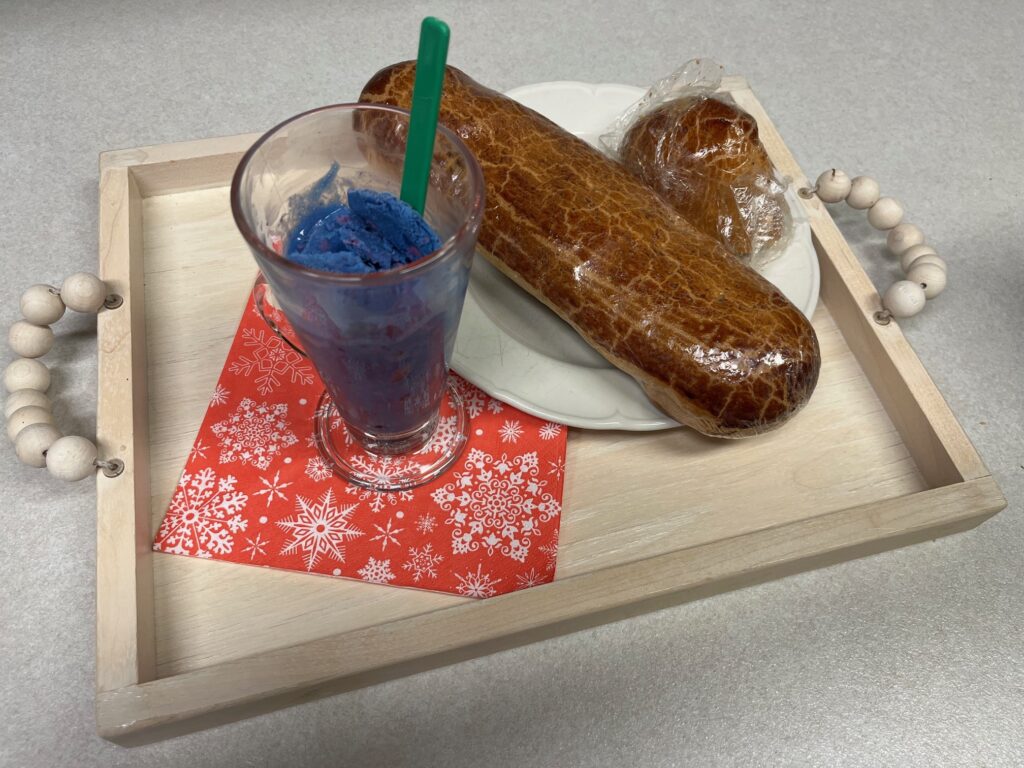
The appearance of foods is of paramount importance to consumers, which is why the industry often uses various additives. For example, in the meat industry, the use of nitrite ensures the characteristic color of processed red meats and contributes to microbiological safety. In the case of fruits and fruit preparations, sulfurization helps preserve the natural color, making the product appear fresher and more attractive. In some products, especially in foods intended for children, bright, even “hoppy blue” dyes are used, as these make the given product more playful and desirable for the younger generation.
– In fact, the consumer is the “boss”, the ice cream maker only perceives that he may be at a competitive disadvantage if he does not use artificial dyes, for example. And when he experiences that the bright blue gummy candy-flavored ice cream sells better than the natural strawberry or strawberry variety, the development directions have been decided. This is a kind of natural product evolution, motivated by consumer needs – said Dr. Csaba Németh, food engineer, c. university professor.
Convenience comes to the fore
The modern consumer lifestyle is closely linked to the need for long shelf life. Customers expect food to maintain its quality for up to 30 days or even longer, which requires advanced preservation processes, packaging solutions and stable recipes. These not only serve convenience, but also contribute to reducing food waste.
– Another important reason for the development of preservation and new technologies is the elimination of seasonality. Consumers want to have access to certain foods, such as apples, all year round, regardless of the natural harvest time of the given product. And of course, in the same quality as if it had been harvested that day. To this end, the food industry is developing cooling, storage and processing processes that allow for a constant supply. Overall, it can be said that consumer demands are continuously shaping the food industry and encouraging innovation in the quality, appearance and availability of food – concluded Dr. Csaba Németh.
Related news

Péter Szijjártó: Tolnatej Zrt.’s ten billion forint investment further strengthens the company’s competitiveness
🎧 Hallgasd a cikket: Lejátszás Szünet Folytatás Leállítás Nyelv: Auto…
Read more >
Péter Szijjártó: SUGO FOOD Kft.’s investment in Baja further strengthens the domestic food industry
🎧 Hallgasd a cikket: Lejátszás Szünet Folytatás Leállítás Nyelv: Auto…
Read more >
István Nagy: the government’s goal is to further strengthen the competitiveness of Hungarian agriculture and place the future of domestic agriculture on a solid foundation
🎧 Hallgasd a cikket: Lejátszás Szünet Folytatás Leállítás Nyelv: Auto…
Read more >Related news

Oat-based “feta” wins the cheese innovation competition of Lidl Germany and ProVeg
🎧 Hallgasd a cikket: Lejátszás Szünet Folytatás Leállítás Nyelv: Auto…
Read more >
The horticulture of the future is being built in Szentes
🎧 Hallgasd a cikket: Lejátszás Szünet Folytatás Leállítás Nyelv: Auto…
Read more >
Finger Food Experience
🎧 Hallgasd a cikket: Lejátszás Szünet Folytatás Leállítás Nyelv: Auto…
Read more >
