
A new era in vegan beauty: efficiency in the spotlight instead of the label

Vegan beauty has been one of the most important buzzwords in conscious and ethical consumption over the past decade.
This article is available for reading in Trade magazin 2026/04
 The “vegan” label signified a commitment to animal welfare, sustainability, and lifestyle choices. By now the category has been recalibrated: although vegan formulas are still widely available and commercially successful, the label itself has lost its distinctive power.
The value behind the label is what matters
Before anyone thinks that the vegan beauty segment will soon disappear from the scene, this isn’t the case – according to data from Spate, Credo Beauty, and Pattern, which show that the segment’s role has simply shifted within the broader beauty ecosystem. Interest in the “vegan beauty” trend reduced by 32.4% year-on-year in the United States last year, according to Spate. However, this doesn’t mean that consumers care less about the ethics of beauty care than before. On the contrary, while attention to labels has diminished, demand for plant-based alternatives to animal-derived ingredients is growing rapidly. Shoppers are no longer looking for the word “vegan” on the label, but rather for impact, effectiveness, and ingredients.
A distinguishing feature and a basic requirement
In Credo Beauty’s practice vegan properties are now part of a larger, more comprehensive category: clean beauty. The number of searches specifically for the term “vegan” has declined on the company’s digital platforms, which indicates that consumers are looking for much more specific promises and take it for granted that brands will meet expectations regarding restrictions on animal-derived ingredients and transparency. Plant-based and vegan ingredients have now become part of the skincare routines of consumers. Although innovation has greatly expanded the possibilities of vegan beauty care, replacing certain animal-derived ingredients can still be difficult. Biotechnology plays a major role in mitigating these difficulties. As a reaction to consumer demand for more effective, sustainable, and ethical products, brands are turning to processes that reduce their dependence on agricultural and animal-derived raw materials.

What is considered ‘clean’ today is, by definition, also vegan
Quietly strong
Although the cultural hype seems to be quieting down, sales data – especially e-commerce data – show steady growth. According to Pattern, vegan beauty products generated a total of USD 668m in sales on Amazon over the past 12 months, representing 16% growth on an annual basis, just shy of the 18% increase seen in the overall beauty category. Interestingly, prices have remained virtually unchanged: top vegan brands show an annual price hike of only 0.2% on Amazon. Vegan beauty hasn’t disappeared, but has become embedded in the infrastructure of the industry, especially in the clean, premium, and prestige categories. It is no longer a message aimed at a narrow audience, but a natural expectation.
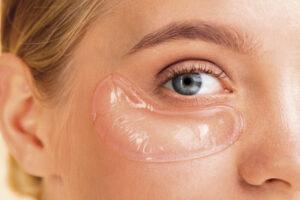
Consumers are increasingly seeking familiar, easy‑to‑understand ingredients, and are becoming ever more determined to avoid substances they perceive as harmful

Related news
(HU) FruttaMax Gold szörpök
🎧 Hallgasd a cikket: Lejátszás Szünet Folytatás Leállítás Nyelv: Auto…
Read more >
Nappy market: forced to adapt
🎧 Hallgasd a cikket: Lejátszás Szünet Folytatás Leállítás Nyelv: Auto…
Read more >
Green light for SPAR’s new acquisition in Austria
🎧 Hallgasd a cikket: Lejátszás Szünet Folytatás Leállítás Nyelv: Auto…
Read more >Related news

Brake on Shein’s growth in Europe
🎧 Hallgasd a cikket: Lejátszás Szünet Folytatás Leállítás Nyelv: Auto…
Read more >
GKI: High base rate, low inflation?
🎧 Hallgasd a cikket: Lejátszás Szünet Folytatás Leállítás Nyelv: Auto…
Read more >
Lidl sold nearly 100 million liters of Hungarian milk
🎧 Hallgasd a cikket: Lejátszás Szünet Folytatás Leállítás Nyelv: Auto…
Read more >
