
New era in plant breeding: EU agrees to regulate genetically modified plants

European Union negotiators have reached a breakthrough: they have reached a preliminary agreement on the legal framework that will govern future plant breeding solutions – so-called novel genomic techniques (NGTs).
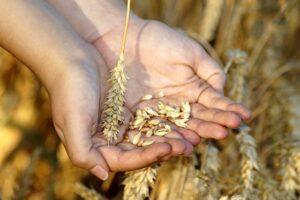
(Photo: Pixabay)
Although the agreement still needs to be formally approved by the European Parliament and member states, the process is closer than ever to being implemented after the successful conclusion of negotiations.
What are NGTs?
NGTs are modern breeding methods – such as gene editing – that make small changes to a plant’s own genetic makeup without introducing DNA from a foreign species into the organism. These changes could be made naturally or through traditional breeding, an important difference compared to previous genetic modification techniques.
What rules are coming?
One of the most important elements of the agreement is that most plants produced with NGT – the so-called NGT-1 category – will be exempt from the current strict GMO regulations. These plants are recognized by the law as essentially the same as those produced by conventional breeding. In the case of food intended for consumers, there will be no mandatory separate labeling if the product is produced using the NGT-1 technique. However, seeds and propagating material will continue to be labeled so that those who require it can also maintain NGT-free supply chains. NGT-1 certification is not a permanent task: once a plant has received this classification, its subsequent generations will no longer need to be re-tested.
What will be on the banned list?
The so-called exclusion list ensures that certain traits cannot be placed in the NGT-1 category. These include herbicide tolerance or the ability to produce well-known insecticide compounds. Plants with these traits are classified as NGT-2, which will continue to be subject to the traditional GMO principles – including authorisation procedures, monitoring and mandatory labelling. Member States can still decide not to allow the cultivation of these plants or to take protective measures against “accidental contamination” of neighbouring areas.
“More with less” – this is the future, says Danish Minister of Agriculture
Jacob Jensen, Denmark’s Minister for Food, Agriculture and Fisheries, said of the agreement: “New genomic techniques can help us achieve more with less. The new regulation will enable the development of plant varieties that are more tolerant to climate change and require less fertiliser or pesticides.”
Patents and transparency: an important step towards clearer rules
Patent issues related to genetically modified plants have long been a source of controversy. While patent rules will continue to follow the EU Biotechnology Directive, the new framework introduces more transparency requirements. Breeders who register NGT-1 plants must indicate any existing or pending patents that apply to the plant. This information will be published in a public database. Companies can also voluntarily declare whether the related licenses will be available on fair terms. A new expert group will examine how patents affect innovation, seed supply and EU competitiveness. Within a year of the regulation’s entry into force, the European Commission will also carry out a detailed study on the actual impact of patents.
What do supporters and critics say?
Supporters say the new rules could strengthen the global competitiveness of Europe’s agri-food industry, reduce import dependency and pave the way for plant varieties that are more resilient to drought, flooding or reduced use of fertilisers and pesticides. Critics, however, continue to stress potential environmental and health risks and the need for consumers to be able to identify genetically modified products.
What is covered by the new rules – and what is not?
The agreement covers crops produced by targeted mutagenesis, cisgenesis or intragenesis. Conventional GMOs – which contain foreign genes – will remain subject to the previous, strict EU GMO rules, with nothing changing in this area.
freshplaza.com

Related news

Tens of thousands of producers to receive agricultural support in the coming days – Ministry of Agriculture helps farmers with accelerated payments
🎧 Hallgasd a cikket: Lejátszás Szünet Folytatás Leállítás Nyelv: Auto…
Read more >
Hungarian agriculture is capable of renewal
🎧 Hallgasd a cikket: Lejátszás Szünet Folytatás Leállítás Nyelv: Auto…
Read more >
Agrometeorology: autumn sowing is in great need of precipitation
🎧 Hallgasd a cikket: Lejátszás Szünet Folytatás Leállítás Nyelv: Auto…
Read more >Related news
SPAR renovated three of its stores with an investment of 880 million forints
🎧 Hallgasd a cikket: Lejátszás Szünet Folytatás Leállítás Nyelv: Auto…
Read more >
The government is helping dairy farmers with another 7 billion forints
🎧 Hallgasd a cikket: Lejátszás Szünet Folytatás Leállítás Nyelv: Auto…
Read more >
Vál-Völgye Bakery won ten awards at the 22nd International Bread Competition
🎧 Hallgasd a cikket: Lejátszás Szünet Folytatás Leállítás Nyelv: Auto…
Read more >
