
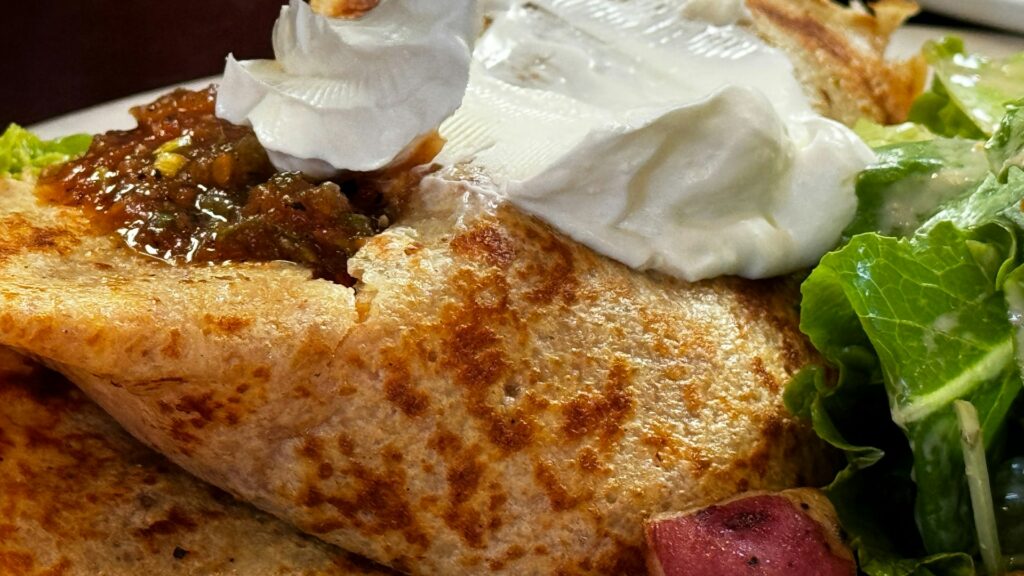
Tejföl is only a name for live flora: new categories for sour dairy products will be introduced from 2026

From January 1, 2026 (three days after promulgation), a regulatory change may take effect that clarifies what the name “sour cream” (tejföl) can mean on the Hungarian market. Under the amended Hungarian Food Codex, the term “tejföl” may appear only on live-culture products, while heat-treated, “non-live-culture” alternatives must be marketed under a different name.
What will change on the shelves?
1. The use of “tejföl” (and other classic names) will be restricted
According to the amendment, the names “yogurt,” “kefir,” “curdled milk,” “acidophilus milk,” and “tejföl” may be used only for live-culture products as defined under section 2.1.1, and for flavored variants made from these products that comply with the relevant rules.
2. A new “umbrella category” strengthens differentiation
The decree introduces the category of fermented (sour) dairy products, within which two subcategories are distinguished based on naming logic:
-
fermented milk preparation: with a fat content below 10%
-
fermented cream preparation: with a fat content of at least 10%.
3. Non-live-culture products must be renamed
The regulation states that for non-live-culture products, the product name must include either the wording “fermented milk preparation” or “fermented cream preparation.” (In other words, heat-treated products will no longer be allowed to use the name “tejföl.”)
What makes a product “live-culture” — and why does it matter?
Under the Food Codex logic, a product is considered live-culture if it is a fermented milk/cream preparation that contains live, active microorganisms originating from the culture in an adequate amount until the end of its best-before date.
By contrast, non-live-culture products are treated using a microorganism-destroying method (for example, post-fermentation heat treatment), which supports a longer shelf life — but significantly reduces the number and activity of microorganisms originating from the culture.
Important detail: the term “live-culture” may be used only for the relevant product categories (2.1.1 and 2.1.2).
What the rule allows: ingredients, cultures, flavoring
The list of permitted ingredients is notably broad (e.g., milk, cream, butter, milk powder, water, table salt, whey powder, milk/whey protein concentrate, caseinates, prebiotics, and the microbial cultures specified in the decree).
However, the rule narrows the use of flavorings and gelatin: these may be applied only to flavored live-culture products and flavored non-live-culture products (as specified in the relevant sections).
The legal text also names the production cultures: for example, the microbial cultures for yogurt and kefir are listed separately.
How much time is there to switch over?
Alongside the entry into force on January 1, 2026, a 12-month transition period applies: products manufactured under the previous rules may still be produced and placed on the market, and may remain on shelves until the end of their best-before/use-by date.
Why does this matter for retail?
-
Labeling and shelf presentation: the naming change may bring conspicuous shelf-level reorganization and, in some cases, packaging updates — even without repricing.
-
Private label: where longer-shelf-life, heat-treated products were previously sold as “tejföl,” a name change is coming, which may affect both communication and consumer habits.
-
Consumer clarity: the declared aim of the regulation is that shoppers can understand from the name what technology was used and what type of product they are buying.
Related news

István Nagy: everyone can help domestic milk production survive by buying Hungarian dairy products
🎧 Hallgasd a cikket: Lejátszás Szünet Folytatás Leállítás Nyelv: Auto…
Read more >
There is a slice for everyone
🎧 Hallgasd a cikket: Lejátszás Szünet Folytatás Leállítás Nyelv: Auto…
Read more >
Milk and dairy product prices decreased at the beginning of the year in Hungary
🎧 Hallgasd a cikket: Lejátszás Szünet Folytatás Leállítás Nyelv: Auto…
Read more >Related news
Lidl sold nearly 11 million liters of Hungarian milk
🎧 Hallgasd a cikket: Lejátszás Szünet Folytatás Leállítás Nyelv: Auto…
Read more >
Asda And Podback Recycle 20 Million Coffee Pods In First Year Of Partnership
🎧 Hallgasd a cikket: Lejátszás Szünet Folytatás Leállítás Nyelv: Auto…
Read more >
Danone buys meal-replacement firm Huel
🎧 Hallgasd a cikket: Lejátszás Szünet Folytatás Leállítás Nyelv: Auto…
Read more >
