
RASFF raises alarm – summary of Hungarian cases in 2025

According to the EU’s Rapid Alert System for Food and Feed (RASFF), more than 240 risky products had to be taken into account in Hungary in 2025. The cases affecting our country were mainly related to vegetables and fruits, poultry meat and products made from them, as well as cereals and bakery products. In 82% of the cases, products of foreign production were affected.
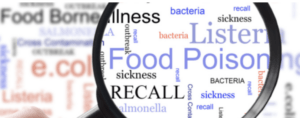 Last year, out of more than 5,000 RASFF cases, a total of 249 affected our country, a significant number of which (211) were related to food. There were a much smaller number of problems related to feed (22) and food contact materials (16).
The Hungarian authorities had to take action in 36 cases related to vegetables and fruits. Poultry meat and products made from it were examined in 32 cases, and cereal products and bakery products in 17 cases.
Only a small part of the notifications related to Hungary concerned products manufactured or made from domestic raw materials (44). In about 30% of these cases, Member States objected to poultry meat or products made from it due to microbiological contamination. Hungary reported 30 cases through the system last year, most of which were related to risky food and one case to feed.
Nébih is also actively involved in the operation of the AAC system, which deals with non-conformities (e.g. quality defects, labelling problems). In 2025, 114 requests for information were received by the Hungarian authorities on this platform, most of which were related to food (66) and live animals (26), as well as food contact materials (10). Most questions were related to the transport and documentation of live animals, as well as dietary supplements, the latter primarily due to the inclusion of unauthorized health claims.
Problems arise every year regarding the presence of foreign substances in food and feed. These substances typically enter the product during production (e.g. plastic pieces, metal shavings), but there are also natural, but inedible parts of the product’s raw material (e.g. cherry seeds, green bean stems, etc.).
All foreign substances pose an increased food safety risk to consumers. Last year, the number of these cases was exceptionally high. Of the cases affecting our country, 26 were related to the presence of some foreign substance, and there were also numerous reports of detachment or release from household appliances that come into contact with food (e.g. a piece of metal detaching from a garlic press or release of metals from a pancake pan).
Members of the RASFF system have reported several cases of food contaminated with glass fragments (e.g. cherry preserves, canned corn, tomato sauce, yogurt); the presence of plastic in products (e.g. chocolate, spices, cat food); metals (e.g. sauces, baked goods, breaded cheese, and even horse treats); rubber gloves were also found in cheese, wood chips in potato chips, a substance resembling fish bones in ice cream, and a mouse carcass in bird salad.
Related news

Every penny counts – Nébih launches new public thematic subpage to curb grapevine golden yellow disease
🎧 Hallgasd a cikket: Lejátszás Szünet Folytatás Leállítás Nyelv: Auto…
Read more >
Four more products have been approved for drone application this spring
🎧 Hallgasd a cikket: Lejátszás Szünet Folytatás Leállítás Nyelv: Auto…
Read more >
The first experiences of the spring inspections of Nébih have arrived
🎧 Hallgasd a cikket: Lejátszás Szünet Folytatás Leállítás Nyelv: Auto…
Read more >Related news
Oat-based “feta” wins the cheese innovation competition of Lidl Germany and ProVeg
🎧 Hallgasd a cikket: Lejátszás Szünet Folytatás Leállítás Nyelv: Auto…
Read more >
The horticulture of the future is being built in Szentes
🎧 Hallgasd a cikket: Lejátszás Szünet Folytatás Leállítás Nyelv: Auto…
Read more >
Finger Food Experience
🎧 Hallgasd a cikket: Lejátszás Szünet Folytatás Leállítás Nyelv: Auto…
Read more >
