
Cheap clothing ordering sites: the “hidden risk” is not only environmental, but also cultural

The environmental burden of fast fashion has long been known, but the impact of ultra-cheap, lightning-fast online clothing ordering platforms is more complex: they can also cause cultural destruction – this was discussed in an interview with Index by Edit Csanák, Deputy Dean of the Sándor Rejtő Faculty of Light Industry and Environmental Engineering at Óbuda University. According to him, the algorithm-driven offer and the logic of “anything in any color, for pennies” could lead to “fashion itself disappearing”, because fashion is not just clothing, but a cultural phenomenon that identifies eras and conveys thoughts.
Technological dead end in recycling
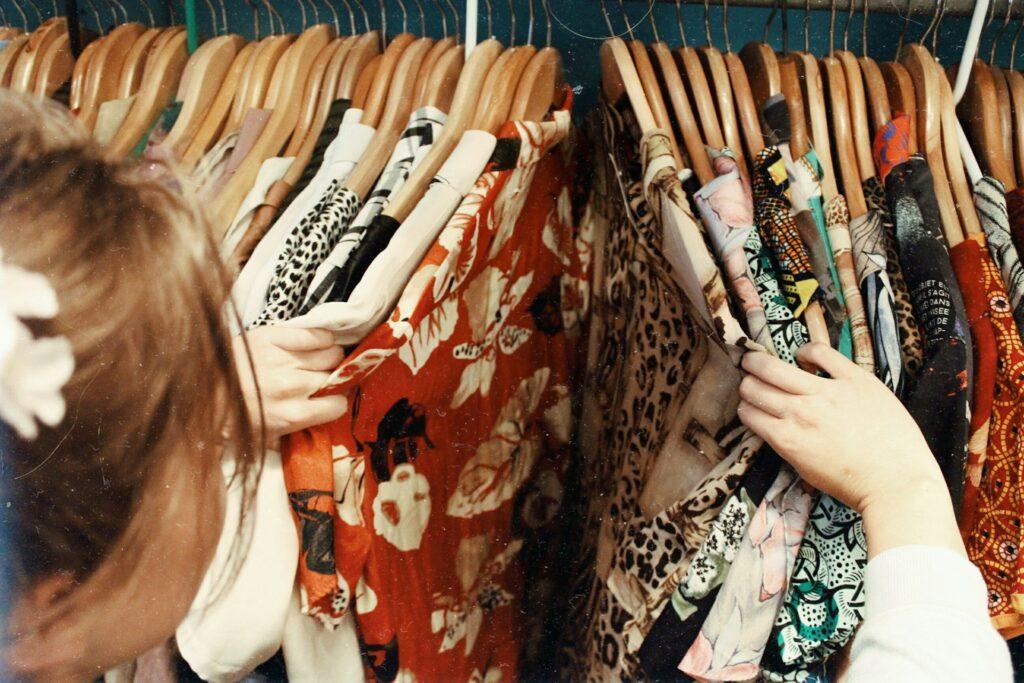 The expert also spoke in the interview that the biggest obstacle to recycling textile waste is often not a lack of intention, but a fundamental technological limitation: a significant part of clothes is made of mixed materials, where natural and artificial fibers are intertwined. Separating these on an industrial scale is “very difficult and expensive”, and research solutions often only provide partial results, and their cost often exceeds the market value of their utilization.
“Mono-material” (based on a single type of material) products, which are theoretically more recyclable, exist, but they are typically more expensive and have difficulty spreading to the mass market due to price sensitivity. According to Edit Csanák, until the proportion of conscious buyers reaches a “critical mass”, more sustainable models cannot become self-sustaining.
It doesn’t depend on designers, but on economic incentives
One of the emphatic statements of the Index interview is that the unsustainability of the fashion industry should not simply be blamed on “the conscience of designers”: the problem is rather reproduced by economic interests and the business goals driven by them. The expert also highlighted the lack of transparency in the supply chain: consumers often do not see who produces the raw materials, who sews the clothes, and whether the chain’s participants receive a fair wage.
Cultural impact: when the algorithm writes the trend
According to Edit Csanák, ultra-cheap platforms not only go against the principle of “less is better”, but can also rewrite the internal logic of fashion: if consumer whims (and the algorithm behind them) dictate what is made, it can break the natural curve of styles and eras. “Culture has always had an arc… this arc is being broken by algorithm-driven offerings,” he told Index.
What can be done? Repair, rental, take-back, and realistic expectations
According to the interview, there are also directions for adaptation: more and more brands are offering repair, rental, or take-back services, which can benefit both manufacturers and consumers, while making the system more sustainable.
The deputy dean said regarding AI: only talented people need to be afraid of artificial intelligence. According to him, AI is mostly a visualization tool that helps to test ideas quickly and “without waste,” but it does not replace creativity and manual skills.
Related news

Europeans throw away 812.6 million pieces of children’s clothing every year
🎧 Hallgasd a cikket: Lejátszás Szünet Folytatás Leállítás Nyelv: Auto…
Read more >
Inditex: Zara group may close 100+ stores worldwide, focus on larger, more techy stores
🎧 Hallgasd a cikket: Lejátszás Szünet Folytatás Leállítás Nyelv: Auto…
Read more >
Munkácsy’s Ecce Homo painting is being built from LEGO bricks in Debrecen
🎧 Hallgasd a cikket: Lejátszás Szünet Folytatás Leállítás Nyelv: Auto…
Read more >Related news

Brake on Shein’s growth in Europe
🎧 Hallgasd a cikket: Lejátszás Szünet Folytatás Leállítás Nyelv: Auto…
Read more >
GKI: High base rate, low inflation?
🎧 Hallgasd a cikket: Lejátszás Szünet Folytatás Leállítás Nyelv: Auto…
Read more >
Lidl sold nearly 100 million liters of Hungarian milk
🎧 Hallgasd a cikket: Lejátszás Szünet Folytatás Leállítás Nyelv: Auto…
Read more >
