
Not all “peanuts” are the same: important differences revealed in store offerings

The name “hazelnut” covers several plants that are botanically distant from each other, which can be misleading for buyers – a recent professional summary draws attention. The peanuts most commonly found in trade and the hazelnuts that grow on trees differ significantly in their nutritional value, cultivation and origin, although due to their taste and use, the common language treats them uniformly as “hazelnuts”.
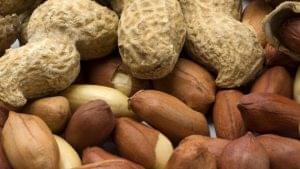 The common hazelnut (Corylus avellana) is a fruit of a forest shrub native to Europe, which has been part of the continent’s nutritional culture for centuries. Due to its high vitamin E, mineral and unsaturated fatty acid content, it is also gaining an increasing role among functional foods. It is typically sold in natural, roasted or processed form – as a cream, as an ingredient in desserts or as an oil.
In contrast, the peanut (Arachis hypogaea) is not a true nut, but a legume, i.e. a closer relative of beans and peas. It originates from South America, and its fruit develops in the soil, which is a rarity in the plant world. Due to its high protein content and favorable price, it is one of the most important raw materials in the food industry, especially in the production of snacks, peanut butter and sweets.
The article also discusses a third raw material increasingly referred to as a “nut”: the peanut, also known as the tiger nut. However, this is also not a seed, but the tuber of a sedge plant, which is rich in prebiotic fibers, gluten- and lactose-free, and is therefore increasingly popular among those following special diets.
From a commercial point of view, this is significant because the products sold under the collective name “peanuts” have a completely different raw material market, production background, and cost structure. Peanuts are a global mass product, while European hazelnut production is much more regional in nature and more sensitive to weather risks. Peanuts are an emerging, more premium-positioned ingredient.
For consumers, the differences are primarily important from a health and usage perspective, but for the trade and food industry, they are significant due to supply chains, pricing and product positioning. “Peanuts” is therefore not a single product category, but a collective term for three sharply distinct groups of ingredients, which appear unified on the shelves, but operate according to completely different economic logic in the background.
Related news

Climate-tolerant alternative in arable fields: peanuts could be one of the winners of climate change
🎧 Hallgasd a cikket: Lejátszás Szünet Folytatás Leállítás Nyelv: Auto…
Read more >
They took action to save the peanut
🎧 Hallgasd a cikket: Lejátszás Szünet Folytatás Leállítás Nyelv: Auto…
Read more >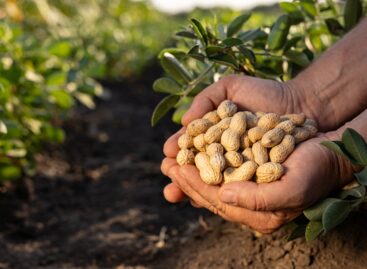
Mars Invests $5 Million in Groundbreaking Agricultural Science Research to Advance the Future of Peanuts
🎧 Hallgasd a cikket: Lejátszás Szünet Folytatás Leállítás Nyelv: Auto…
Read more >Related news

Oat-based “feta” wins the cheese innovation competition of Lidl Germany and ProVeg
🎧 Hallgasd a cikket: Lejátszás Szünet Folytatás Leállítás Nyelv: Auto…
Read more >
Finger Food Experience
🎧 Hallgasd a cikket: Lejátszás Szünet Folytatás Leállítás Nyelv: Auto…
Read more >
KPMG: Easter boom: the season is exploding for families, retail and the chocolate industry
🎧 Hallgasd a cikket: Lejátszás Szünet Folytatás Leállítás Nyelv: Auto…
Read more >
