
Not a marginal phenomenon: counterfeiting has become a systemic problem in Hungary

The market for counterfeit products is now not just a phenomenon existing in the gray zone of markets and online marketplaces, but a systemic problem affecting the entire Hungarian commercial ecosystem – as revealed in the Pénzcentrum video blog, a three-part series presented by CashTag 2025. The common lesson of the episodes examining the markets for watches, perfumes and clothing is that counterfeiting causes significant damage not only to consumers, but also to legal traders and the state.
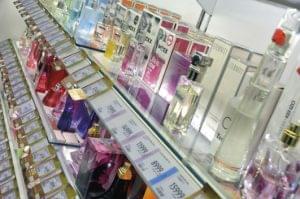 According to experts, the gravity of the phenomenon is clearly demonstrated by the fact that imitations are now appearing en masse on both offline and online channels, while recognizing increasingly sophisticated copies is more difficult for consumers and often even traders than before.
Watches: loss of prestige and tax losses go hand in hand
The first part of the series focused on the market for counterfeit watches. According to watch influencer Zsolt Lakatos, the conscious purchase of fake watches is not only a financial issue, but also strengthens the destruction of trust in brands, especially when these products appear on social media. This phenomenon weakens the prestige of the entire segment in the long term.
From the authorities’ side, Etelka Juhászné Prantner, press officer of the NAV Deployment Directorate, drew attention to the fact that fake watches cause serious economic damage. After this, no tax revenue is generated, they are often associated with illegal employment, while the cost of destroying the seized goods is borne by the state. In a recent case, for example, 119 fake Rolex watches were seized from a single vehicle, which alone caused the copyright owner about 300 million forints in damage.
Perfumes: the business risk of quality deterioration
The second episode focused on perfume counterfeiting, which is now appearing not only in markets but also in the offerings of some stores. According to perfumer Zsolt Zólyomi, customers often only realize at home that the fragrance evaporates quickly because the product has simply been diluted.
The high profit margin of the perfume industry makes the sector a particularly attractive target for counterfeiters. According to the expert, there is a real risk that some global brands will decide to withdraw from Eastern Europe if they cannot control the abuses surrounding their products. This could not only lead to a reduction in supply, but also to store closures and consequences for the labor market.
According to NAV, price, packaging quality and the sales environment remain key indicators: a premium brand does not appear in shoddy packaging or in less prestigious channels.
Clothing: the online space has accelerated counterfeiting
The third part examined the clothing market. According to Tamás Kátai, owner of True Washback – Nem Olyan Turi, there are incomparably more fakes today than two or three decades ago. Due to the spread of e-commerce and free shipping on Asian webshops, fake designs often appear earlier than the original collections on official channels.
Legal retailers often face the problem head-on: when the customer realizes that he has bought an expensive fake product, he often comes into conflict with the store that informed him of this. While most physical stores are wary of outright counterfeiting, experts say that in the online space, there may be more counterfeit products than genuine ones on some platforms.
Commercial and economic risks
The most important lesson of the CashTag series is that counterfeiting is not a “cheap alternative”, but a serious economic and commercial risk. Consumers suffer, left without a guarantee and quality, legal traders incur losses, and the state also suffers a significant loss of tax revenue.
According to experts, conscious shopping is a key issue, especially during the holiday season, as the spread of counterfeits is now not only fueled by price sensitivity, but also by the speed and opacity of online channels. For trade players, taking action against counterfeiting is increasingly becoming not only a legal issue, but also a matter of business survival.
Related news

NAV: Easter inspection campaign begins
🎧 Hallgasd a cikket: Lejátszás Szünet Folytatás Leállítás Nyelv: Auto…
Read more >
NAV: from February 1, businesses can deduct representation expenses tax-free under certain conditions
🎧 Hallgasd a cikket: Lejátszás Szünet Folytatás Leállítás Nyelv: Auto…
Read more >
NAV announces a short film competition for young people who can show how to say no to smoking
🎧 Hallgasd a cikket: Lejátszás Szünet Folytatás Leállítás Nyelv: Auto…
Read more >Related news

Hungarian consumers are saving on ham, label reading is becoming more important
🎧 Hallgasd a cikket: Lejátszás Szünet Folytatás Leállítás Nyelv: Auto…
Read more >
International food prices have risen due to the impact of the Middle East conflict on energy prices
🎧 Hallgasd a cikket: Lejátszás Szünet Folytatás Leállítás Nyelv: Auto…
Read more >
It doesn’t matter how big the egg is on the shelves: genetics, age, and the chains’ tender logic decide
🎧 Hallgasd a cikket: Lejátszás Szünet Folytatás Leállítás Nyelv: Auto…
Read more >
