
MNB: travel insurance can only provide limited help in a country at war
Travel insurance cannot help or can only help to a limited extent in a country at war – the Hungarian National Bank (MNB) drew attention to this in its analysis published on Wednesday.
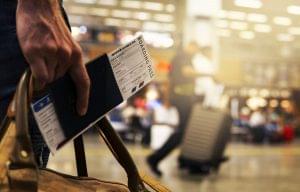 Travel insurers generally exclude services and coverage for damages caused directly or indirectly by war or hostilities in their contract terms. These are not subject to a declaration of war, and this may include possible damages caused by terrorist acts, demonstrations, marches or even strikes – the MNB explained. The travel insurance contract also does not cover countries that the Consular Service of the Ministry of Foreign Affairs and Trade has classified as countries that are no longer recommended for travel on its website prior to the conclusion of the contract, they added.
If war breaks out in a country before the start of the risk coverage or the client’s departure, the insurance may be terminated and the insurer will refund the premium. If the client has trip cancellation insurance and a war breaks out after the start of the risk coverage but before the departure, the trip cancellation coverage typically does not cover this (the specific contract terms must be checked).
If the trip is canceled due to war, the client may request a refund of the payments from the travel agency, the departing airline, or the foreign accommodation provider, based on the contracts concluded with them.
They also mentioned that if the client is already in the given country when the war breaks out or when the given state is classified as “not recommended for travel“, the insurers provide services according to their own contract terms. Some market participants thus impose a time limit on their further risk-taking (for example, it remains in effect only for 14 days after the outbreak of war or reclassification). Others continue to pay in the event of personal injury, illness, or repatriation of the injured (possibly with reduced payment limits), but not for property damage. Insurers unanimously exclude payment if the client was an active participant in violent events abroad, the central bank explained.
As they added: during a war period, the health rescue and care activities of the insurer (and its local partners) in the given state may also become more difficult. Therefore, in order to prevent and mitigate damage, it is advisable for clients – according to their capabilities – to return home immediately, sooner than originally planned. If the client is unable to do this in a manner agreed with the insurer, many insurers will reimburse the costs of the trip home up to the amount specified in the contract terms, which can be a significant help. For this, it is worth keeping the invoices and receipts related to the trip.
In the event of an unexpected war situation, in order to coordinate your return home – even without a claim – it is worth contacting the travel insurance company’s telephone assistance center or contacting the local embassy or Consular Service – the MNB recommended.

Related news

K&H: Middle-aged people are traveling again: the proportion of those planning to travel abroad is increasing
🎧 Hallgasd a cikket: Lejátszás Szünet Folytatás Leállítás Nyelv: Auto…
Read more >
This is how Hungarians will travel at Easter this year
🎧 Hallgasd a cikket: Lejátszás Szünet Folytatás Leállítás Nyelv: Auto…
Read more >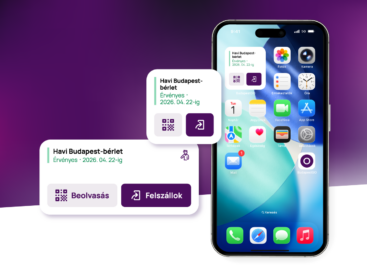
BudapestGO continues to develop: the March application update brings more convenient use
🎧 Hallgasd a cikket: Lejátszás Szünet Folytatás Leállítás Nyelv: Auto…
Read more >Related news

Waste-free Easter with the advice of the Without Leftovers program
🎧 Hallgasd a cikket: Lejátszás Szünet Folytatás Leállítás Nyelv: Auto…
Read more >
Kifli.hu is preparing to deliver approximately sixty thousand orders
🎧 Hallgasd a cikket: Lejátszás Szünet Folytatás Leállítás Nyelv: Auto…
Read more >
ENAG Project in the Hungarian-Serbian border region successfully concluded
🎧 Hallgasd a cikket: Lejátszás Szünet Folytatás Leállítás Nyelv: Auto…
Read more >
