
Why does the rabbit lay eggs at Easter?

Easter is the greatest holiday of Christianity, when we remember the resurrection of Jesus Christ, which is the cornerstone of the Christian faith. The significance of the holiday lies in the fact that, according to the Bible, Jesus defeated death through his death on the cross and resurrection, and thus brought salvation to humanity’s sins. Its symbolic message is the victory of life over death, which gives believers hope and the promise of eternal life. At the same time, the sprinkling on Mondays originates from an ancient fertility rite, which serves to purify the water and “not wither” the girls. In gratitude, the sprinkling receives a red egg, which symbolizes life, and the red color symbolizes the shed blood of Christ. The egg is also a symbol of Christ rising from his grave, as new life emerges from its shell.
Where did the rabbit come from?
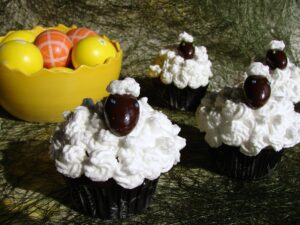 The Easter bunny is probably the result of a misunderstanding: in some areas of Germany, guinea fowl (Haselhuhn) were given as gifts with their eggs, whose name resembled the rabbit (Hase). Of course, there is a less “cheesy” explanation, but whether this is just an explanation or not, we may never know. According to this, the rabbit was associated with the egg, which also symbolizes life, as a symbol of spring and fertility. This is how the lovely children’s idea was born, that the bunny’s eggs bring surprises.
Some Easter egg recipes
– We can safely say that from a gastronomic point of view, Easter is our most egg-filled holiday. Although there are also lots of eggs in cakes and other dishes at Christmas, here they are also present as the main character. That is why we try to present them both during family visits and as a guest at the reception of water lilies. Whether as the most important raw ingredient, or in the form of chocolate and sugar. We have now brought recipes for both. Bon appetit, and happy celebrations! – said Dr. Csaba Németh, food engineer, professor, great admirer of eggs, who also works on developing ingredients and foods that make the lives of people with food allergies more complete.
HEaster carrot cake
Ingredients:
for the dough:
- 1 cup whole wheat flour, 1/2 cup brown sugar, 3/4 cup oil, 2 eggs, 1/2 teaspoon baking soda, 1/2 teaspoon ground nutmeg, 1/2 teaspoon ground cinnamon, 1 teaspoon vanilla extract, 1/2 cup raisins, 1/2 cup chopped walnuts and 1/2 cup grated carrot (grated on a small grater), salt
for the cream cheese:
- 12.5 dkg Philadelphia cheese, 1 tablespoon butter, grated zest of 1/2 lemon, 1 teaspoon lemon juice, honey (to taste)
for decoration:
- JellyBelly
The Mix the sugar, oil and eggs until foamy. Add the baking soda.flour mixed with cinnamon and spices, then the carrots, raisins and vanilla extract. Place in a cake tin lined with baking paper or a buttered and floured wreath tin and bake in an oven preheated to 180°C for 45 minutes. Let cool. Cover the top with the cream cheese, mixing the ingredients thoroughly. Finally, we decorate with JellyBelly.
Here’s a dairy-, gluten- and sugar-free idea: Ham basket filled with horseradish cream
Ingredients:
for the base:
- 80 dkg soft-cooked smoked ham (rib or shank) minced, 40 dkg ToTu extra creamy, 3 pcs eggs, broken pepper
- for greasing the mold:
- liquid coconut oil
- for the filling:
- 20 dkg ToTu cream, 10 dkg liquid coconut oil, sugar-free horseradish vinegar to taste, cracked pepper, salt
for decoration:
- boiled egg, cucumber
Mix the basic ingredients thoroughly. Pour into a greased 25-piece cube mold. Bake in a 150°C oven for 40 minutes. Cool. Remove the mold. For the filling, mix the coconut oil and ToTu cream. It is good if you get a buttery consistency. Season with salt, cracked pepper, and pickled horseradish. Fill the cubes with it using a star-shaped piping bag. Decorate with quartered boiled eggs and cucumber slices. Slice when serving.

Related news
foodora: This is how Hungarians shop for Easter
🎧 Hallgasd a cikket: Lejátszás Szünet Folytatás Leállítás Nyelv: Auto…
Read more >
PENNY strengthens its wallet mascot with a selection of hams
🎧 Hallgasd a cikket: Lejátszás Szünet Folytatás Leállítás Nyelv: Auto…
Read more >
Eggs may be on the Easter table at last year’s price
🎧 Hallgasd a cikket: Lejátszás Szünet Folytatás Leállítás Nyelv: Auto…
Read more >Related news

Green transition on the air conditioning market
🎧 Hallgasd a cikket: Lejátszás Szünet Folytatás Leállítás Nyelv: Auto…
Read more >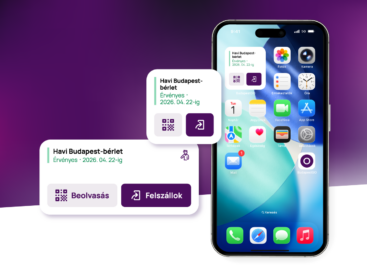
BudapestGO continues to develop: the March application update brings more convenient use
🎧 Hallgasd a cikket: Lejátszás Szünet Folytatás Leállítás Nyelv: Auto…
Read more >
The 2026 Companies for the Future Awards have been presented
🎧 Hallgasd a cikket: Lejátszás Szünet Folytatás Leállítás Nyelv: Auto…
Read more >
