
Foot-and-mouth disease (FMD) reappears in Cyprus

In 2026, after 19 years, FMD (foot-and-mouth disease) reappeared in Cyprus. The disease has been confirmed in a total of 40 ruminant herds in the Larnaca and Nicosia administrative areas of the Republic of Cyprus. The local authorities, with the support of the European Union Veterinary Emergency Team (EUVET), are doing everything they can to quickly contain FMD through coordinated epidemiological investigations and emergency measures. Nébih draws attention to the fact that increased caution is warranted when dealing with dairy and meat-containing foods from the Republic of Cyprus and that they should be avoided if possible.
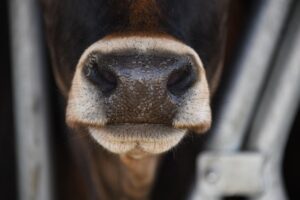
This year, FMD was suspected in a herd of 269 cattle in Cyprus. Following the first confirmed case, the infection was detected in several herds of cattle and small ruminants in the Larnaca and Nicosia areas. According to the latest information from the Cypriot authorities, there have been 40 outbreaks so far, and more than 14,000 animals have been killed in the affected herds. The epidemiological investigation of the cases is currently ongoing. Experts have confirmed the presence of the SAT-1 serotype of the disease. The local competent authority has taken the necessary measures in accordance with the emergency action plan, and EUVET is also providing technical support on the spot. As part of the control of the infection, the eradication of infected livestock and the vaccination of animals with vaccines from the European Union vaccine bank continue.
Foot-and-mouth disease is a highly contagious viral disease
It mainly affects cloven-hoofed animals (e.g. cattle, pigs, sheep, goats, buffaloes, wild ruminants). The main symptoms of the disease include fever, loss of appetite, drooling and the appearance of blisters in the mouth and on the tips of the feet. Due to its high contagiousness and rapid spread in livestock, its appearance has serious economic consequences. Infected animals cannot be treated, so if the disease is confirmed in even one animal on a farm, all cloven-hoofed animals must be eradicated.
Nébih draws attention to the fact that increased caution is warranted when handling dairy and meat-containing foods from the Republic of Cyprus, and that they should be avoided if possible.
The authority also recommends that those returning from the affected area avoid contact with susceptible animals, such as cattle, sheep, goats or pigs, for at least three days. Prevention and continuous vigilance remain of paramount importance. Consistent compliance with epidemiological regulations is essential to protect livestock. In case of any suspicion in a herd of susceptible animals, the attending veterinarian and the local animal health authority must be notified immediately!
Nébih
Related news
ISTA workshop in Budapest: international standards for seed sampling in practice
🎧 Hallgasd a cikket: Lejátszás Szünet Folytatás Leállítás Nyelv: Auto…
Read more >
Hungarian development can improve animal welfare and efficiency in dairy farms
🎧 Hallgasd a cikket: Lejátszás Szünet Folytatás Leállítás Nyelv: Auto…
Read more >
Hungarian sheep farmers can expect stable demand
🎧 Hallgasd a cikket: Lejátszás Szünet Folytatás Leállítás Nyelv: Auto…
Read more >Related news

Using the system has a boost effect
🎧 Hallgasd a cikket: Lejátszás Szünet Folytatás Leállítás Nyelv: Auto…
Read more >
Hungarian consumers are saving on ham, label reading is becoming more important
🎧 Hallgasd a cikket: Lejátszás Szünet Folytatás Leállítás Nyelv: Auto…
Read more >
International food prices have risen due to the impact of the Middle East conflict on energy prices
🎧 Hallgasd a cikket: Lejátszás Szünet Folytatás Leállítás Nyelv: Auto…
Read more >
%20reappears%20in%20Cyprus)