
The first experiences of the spring inspections of Nébih have arrived

The spring seasonal food chain inspection has been taking place nationwide since the beginning of March, under the leadership of the National Food Chain Safety Office (Nébih). In the first phase, Nébih, government and district office specialists conducted a total of 609 inspections, and although problems occurred, the results were generally favorable, the office told MTI on Monday.
 The authority is inspecting Easter hams, eggs, cakes, sweets and alcoholic beverages, but also related products and areas such as egg dye and the sale of live rabbits – they reminded.
During the inspection of manufacturers of confectionery products, tea cakes, cakes, horseradish and egg dye, the authority inspected 100 facilities. The inspections focused, among other things, on the use of additives, labeling, and compliance with the requirements of the Hungarian Food Code. A total of eight cases were prosecuted.
Due to insufficient traceability and expired shelf life, 30 items, a total of 368.9 kg of confectionery raw materials/ingredients and finished products were withdrawn from circulation.
The inspections also covered alcoholic beverages: the authority inspected 20 commercial units and five production plants, analyzing a total of 49 samples.
The authority found a sensory defect in one imported sparkling wine and one imported sparkling wine, and in the case of the imported sparkling wine, the consumer information was also inadequate. Nébih also conducted comprehensive inspections in the four major domestic breweries and no deficiencies were revealed during the inspections
– Nébih announced.
Additionally: during the inspection of meat processing facilities and meat product manufacturers, the authority revealed hygiene and traceability deficiencies in several places. In the three inspected meat processors, more than four tons of meat raw materials and finished products were withdrawn from circulation due to the problems discovered. 102 stores nationwide where meat products (smoked meat, ham) are produced on site were also inspected. In this round, irregularities were found in about a quarter of the inspections, most often hygiene and documentation errors, or problems with the use of additives. In fourteen cases, the inspectors imposed fines totaling about 1.2 million forints and withdrew 156 kilograms of product from circulation. Illegal production was also discovered in one plant, the products were destroyed, and the activity was prohibited.
The inspectors did not find any serious hygiene or traceability deficiencies in the six egg packing facilities inspected in the first period, and the markings were also appropriate. However, proceedings were initiated against one company due to the non-conformity of the disinfected egg sample
– continued the Nébih.
During the inspection of prime vegetables, the county government offices inspected 72 producers at markets and sites, the majority of the items were compliant, two items were withdrawn from circulation. The Nébih inspected distribution at 10 locations, the most common problem was the sale of purchased goods as their own, and no residues above the limit value were found during the inspection of samples of peppers, horseradish, cucumbers and spring onions. The experts also examined the application of plant passports, the regular operation of which is basically stable and shows an improving trend.
They also mentioned that 18 samples were taken from gladiolus flower bulbs for the purpose of variety identity testing. The marking of the propagating materials complied with the regulations. The bulbs will be planted in mid-April at the Nébih Monorierdő Plant Variety Propagation Station.
During the spring inspections, the authority took samples of 35 complete poultry egg feed from 34 feed production facilities, of which 94 safety and quality parameters are in the process of being tested, and the results so far are satisfactory. In addition, 46 pet shops and 42 animal fairs/markets across the country were inspected for the sale of live rabbits, where no animal protection violations were found.

Related news
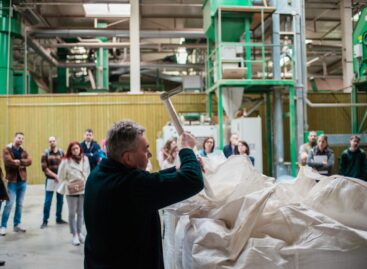
Seed sampling in focus: VSZT and Nébih held a training day
🎧 Hallgasd a cikket: Lejátszás Szünet Folytatás Leállítás Nyelv: Auto…
Read more >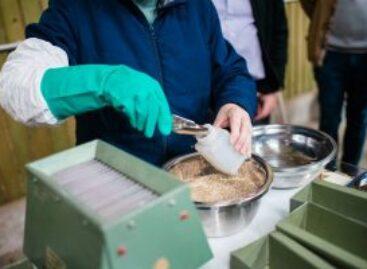
Seed sampling in focus: VSZT and Nébih held a training day
🎧 Hallgasd a cikket: Lejátszás Szünet Folytatás Leállítás Nyelv: Auto…
Read more >
Gardening can once again be part of everyday life – Kertművelő, Nébih’s new gardening program, has been launched
🎧 Hallgasd a cikket: Lejátszás Szünet Folytatás Leállítás Nyelv: Auto…
Read more >Related news

KSH: in February the foreign trade surplus for goods was 665 million euros, the volume of exports was 2.3 percent lower, and that of imports was 6.7 percent higher than in the same period of the previous year
🎧 Hallgasd a cikket: Lejátszás Szünet Folytatás Leállítás Nyelv: Auto…
Read more >
REGIO Játék: Families spend a maximum of ten thousand forints on Easter gifts
🎧 Hallgasd a cikket: Lejátszás Szünet Folytatás Leállítás Nyelv: Auto…
Read more >
Péter Szijjártó: the domestic food industry is further strengthened with the investment of SUGO FOOD Kft. in Baja
🎧 Hallgasd a cikket: Lejátszás Szünet Folytatás Leállítás Nyelv: Auto…
Read more >
