
Every fourth package now arrives from abroad

In 2025, 195.27 million parcels were handled in Hungary, and 52.66 million shipments – one in four – came from abroad, which forces a new operating logic for logistics players. The turnover of parcel machines increased by 50.2%, while the network expanded to 10,888 machines by 2026. The recently published PwC Parcel Logistics Report 2026 provides a comprehensive picture of all dimensions of the market – from traffic data to consumer preferences – and serves as a compass for the trends of the coming year.
 How import-driven operations, accelerating automation and changing consumer expectations? Key findings of the PwC Parcel Logistics Report:
· Package volume at record levels: service providers handled 195.27 million shipments in 2025.
· The number of import shipments increased by 39%, reaching 52.66 million pieces. Thus, every fourth package now arrives from abroad.
· Export volume decreased by 30.2%, further increasing the weight of imports within the entire logistics chain.
· Import-driven operations force new capacity planning: the cyclical nature of international marketplaces means a more unpredictable burden for service providers, making imports the number one decision factor in network development.
· From 2026, the duty-free status of shipments under 150 euros will be eliminated. The €3 flat rate duty aims to increase product safety and stricter controls. This is unlikely to drastically reduce turnover, but it will reorganize market operations.
· The machines are catching up: With a 50.2% increase, the turnover of parcel machines increased to 47.57 million shipments, while home delivery practically stagnated. The locker-first model has become the customer standard.
· The network of parcel machines has grown by 30% in one year, with 10,888 machines operating nationwide by January 2026. Coverage has become a real competitive advantage.
· The number of shipments between private individuals has increased by 43.3% to 6.9 million pieces, mainly due to the rise of Vinted and other secondary market platforms.
· Significant ownership rearrangements (Sprinter–Sameday integration, Packeta–Foxpost merger, Express One–Sameday transaction) and new partnerships (e.g. DPD-GLS) are creating a more stable, development-oriented service provider structure.
· The development directions of future logistics are primarily determined by route optimization, courier load balancing, warehouse robotization and customer service automation.
“By 2026, Hungarian small package logistics will have become a complex, import-driven and digital system, where network density, robust automated infrastructure and artificial intelligence-supported operations will determine who will remain competitive. Service providers are increasingly relying on solutions that reduce operational risks and improve plannability, especially during peak periods. Consumer expectations are also changing: in addition to speed and reliability, flexible collection methods and transparent communication are increasingly important. Due to the strengthening of marketplaces, logistics players will receive a stable package flow that would previously only have been possible with their own extensive network infrastructure”
– said Timár Szabolcs, Senior Manager at PwC Hungary.
Related news

The government office has begun inspecting parcel delivery services
🎧 Hallgasd a cikket: Lejátszás Szünet Folytatás Leállítás Nyelv: Auto…
Read more >
Tariff war: Europe moved first, Magyar Posta waited
🎧 Hallgasd a cikket: Lejátszás Szünet Folytatás Leállítás Nyelv: Auto…
Read more >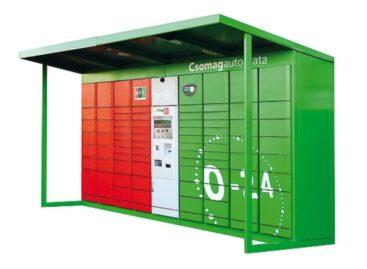
Price increase at Magyar Posta: this is how much the most common postal services will cost in 2025
🎧 Hallgasd a cikket: Lejátszás Szünet Folytatás Leállítás Nyelv: Auto…
Read more >Related news

KPMG: Easter boom: the season is exploding for families, retail and the chocolate industry
🎧 Hallgasd a cikket: Lejátszás Szünet Folytatás Leállítás Nyelv: Auto…
Read more >
Deteriorating foreign trade balance: causes and prospects
🎧 Hallgasd a cikket: Lejátszás Szünet Folytatás Leállítás Nyelv: Auto…
Read more >
Ultrarunner Szilvia Lubics helps with Ultrabalaton
🎧 Hallgasd a cikket: Lejátszás Szünet Folytatás Leállítás Nyelv: Auto…
Read more >
