
Winter precipitation – especially the 30-centimeter snowpack in January – has improved the outlook for spring crops, but experts say it alone will not bring corn production back to a “safe” state. reserves”. The current snow corresponds to approximately 30 millimeters of precipitation, while a total of 150–200 millimeters would be needed by the start of vegetation (counting from last December) to significantly stabilize soil moisture conditions – especially in the Great Plain and in the regions south of Lake Balaton, Agrárszektor points out.
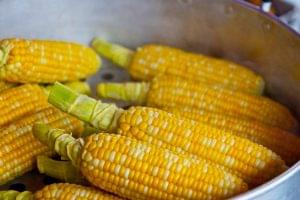 Due to market and production risks, the decrease in corn sowing area may continue in 2026. Those who still stick with the culture are increasingly focusing on the stress tolerance and adaptability of hybrids in addition to productivity: according to the RAGT, those hybrids that provide stable performance regardless of the vintage are valued more, and the choice of FAO number is not a “recipe”, but a decision depending on the area and weather.
According to the breeding program manager of the Grain Research, profitability in 2025 was strongly constrained by input costs and oversupply on the world market, and caution is warranted this season as well: In Transdanubia Late FAO 300–FAO 400 hybrids are preferred for grain forage, while in the Great Plains, earlier early FAO 300 and very early FAO 200 hybrids can reduce exposure by “avoiding” the July heat stress during flowering and, due to their rapid development, making better use of winter–spring precipitation. In drought-sensitive areas, a lower plant density of around 50 thousand plants/hectare and the use of multi-tube hybrids have been suggested, and the input level should be adjusted to the realistic yield potential.
Another point of risk management is plant health: there is no complete resistance to the fungi that cause tube diseases, therefore in practice, protection against insect pests (especially in the second half of July) can be a key element if the goal is to produce toxin-free fodder.
According to the regional seed marketing manager of Syngenta, the “unusual” choice of hybrids is also justified due to the uncertainty surrounding crop prices: it is worth work with at least two hybrids, consciously “spread” the risk with sowing time and FAO number, and prioritize a stable, stress-tolerant genetic background.