
Middle East conflict: Brazilian poultry meat may depress EU prices, sector fears import pressure

The armed conflict in the Middle East could also reorganize the routes of global poultry meat trade, which could lead to oversupply and increased price competition in the European Union’s internal market. According to Polish industry players, the biggest risk is if, due to the narrowing of exports to the region, Brazil – one of the world’s most competitive poultry producers – aggressively seeks new markets and diverts large volumes to other regions, especially Asia, which could indirectly weaken the positions of European suppliers.
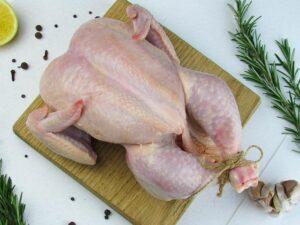 According to Wiesław Różański, President of the Polish Meat Industry Association (UPEMI), Brazil is already a dominant player in Asia, so a possible diversion would intensify competition against European – including Polish – exporters. The Polish sector fears that Brazilian players may temporarily offer their products at lower prices to compensate for the lost income, which could push down world market and then EU price levels.
The Polish side also recalls a historical parallel: it previously caused serious disruptions in the European pig market when Spain – due to African swine fever and high prices – was unable to sell its products in China, and the quantity originally intended for export poured into the EU internal market, destabilizing trade for months. In the current situation, a similar logic may apply: if Arab markets shrink, part of the surplus may seek buyers in the EU, which could trigger oversupply, price pressure and fierce competition.
Industry players also draw attention to the fact that the conflict in the Middle East affects several countries that are potential export markets for Poland, so the risk is not concentrated in a single destination country. Polish market players therefore urge the authorities and institutions responsible for trade policy to closely monitor the rapid reorganization of global poultry trade routes, as it could directly affect the agriculture and supply chains of several EU Member States.
Related news
Grocery and foodservice battle for the convenience customer
🎧 Hallgasd a cikket: Lejátszás Szünet Folytatás Leállítás Nyelv: Auto…
Read more >
Deteriorating foreign trade balance: causes and prospects
🎧 Hallgasd a cikket: Lejátszás Szünet Folytatás Leállítás Nyelv: Auto…
Read more >
The beer industry continues to search for high-quality Hungarian horseradish
🎧 Hallgasd a cikket: Lejátszás Szünet Folytatás Leállítás Nyelv: Auto…
Read more >Related news

Aldi, Auchan, Lidl, PENNY, SPAR, Tesco: in 2024 they paid more than 710 billion into the budget, while closing with a loss
🎧 Hallgasd a cikket: Lejátszás Szünet Folytatás Leállítás Nyelv: Auto…
Read more >
OKSZ: Household consumption cannot keep up with the growth rate of real wages
🎧 Hallgasd a cikket: Lejátszás Szünet Folytatás Leállítás Nyelv: Auto…
Read more >
KSH: retail turnover in February exceeded the same period of the previous year by 3.8 percent and the previous month by 0.4 percent
🎧 Hallgasd a cikket: Lejátszás Szünet Folytatás Leállítás Nyelv: Auto…
Read more >
