
Chocolate rabbits might be smaller now, but they are yummy

One of the “specialties” of the seasonal sweets category is that trends arrive here with a delay. This is why inflation still had a very strong influence last Easter.
This article is available for reading in Trade magazin 2026/02-03
The market stagnated in terms of volume in 2025, while prices rose by double digits. This time the interesting thing – and the good news – was that the price hike didn’t cause a decline in volume.

Panna Miklós
business manager
(Confectionery)
Nestlé Hungária
“Given that seasonal volumes are planned and price lists are published several months in advance, I would expect inflation to slow down in 2026”,
says Panna Miklós, confectionery business manager of Nestlé.

Pál Molnár
commercial director
Szerencsi Bonbon
“The prices of all products that aren’t subject to price caps are rising more than expected, as chains are offsetting their losses in this way”,
adds Pál Molnár, commercial director of Szerencsi Bonbon Kft.
The rabbit’s advantage is waning

Kitti Lázár
marketing manager
BOCI Csokoládé
“Shoppers are increasingly looking for the medium price-good quality category, with many opting for smaller but better quality products”,
informs Kitti Lázár, marketing manager of Boci Csokoládé Kft.
Classic milk chocolate figures continue to dominate, but demand for smaller, multi-piece mix packs is also growing. While the rabbit remains the iconic Easter shape, sales of egg and mini figure solutions are growing faster. In BOCI’s 2026 Easter season the classic BOCI milk chocolate rabbit and egg figures will continue to be a strong foundation.
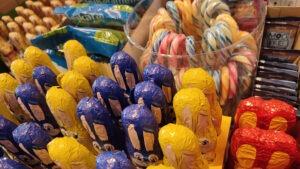
Due to inflation, consumers are choosing smaller sizes at Easter rather than switching to a cheaper brands from their proved and trusted favourite treat
Risk-averse chains
Fewer packages and figures were sold in stores, and the proportion of dark chocolate continued to decline, according to Szerencsi Bonbon Kft.’s experience from last Easter. On the positive side, there was an increase in sales of candy-type products (extruded products, dragées, candies) and small to medium-sized figures (weighing 18-50g).
Pál Molnár opines that most retail chains are expecting fewer items and declining volumes for existing products, and they aren’t rushing to introduce new ones. Since the Easter season is much less important than Christmas, they don’t want to take too many risks in the first quarter of the year. In 2025 the company completed the ZERO range with ZERO milk chocolate rabbits and eggs.

During the Easter season which is less busy compared to Christmas, retailers are more cautious: they calculate with fewer SKUs and declining volumes for products already listed, and they are also less willing to introduce innovations
Figures tailored to the wallets
At Nestlé they think the most obvious Easter trend is the rise of small-sized products. Due to inflation, consumers are choosing smaller sizes when giving gifts rather than switching to cheaper brands, explains Panna Miklós. The company’s new BALATON 45g chocolate bunny product generated the second highest sales within the portfolio at Easter 2025. For Easter 2026 they will roll out 17g bunnies and other animal figures, as well as 15g eggs, under the BALATON brand. For Nestlé the recently launched KITKAT chocolate tablets remain in focus.
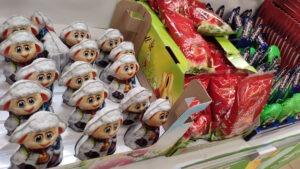
While the bunny remains the most iconic shape of Easter chocolates, egg-shaped and mini figurine products are growing faster
Ingredient prices are consolidating but still high
Although cocoa prices have corrected from their previous highs last year, they are still twice as high as they were a few years ago, warns the Association of Hungarian Confectionery Manufacturers in its year-end press release dated 22 December 2025. Since manufacturers typically work with 6-12 month purchasing cycles, the decline in world market prices will only affect supplier prices in early to mid-2026. The rise in labour costs, coupled with structural workforce shortages and mandatory wage increases, is particularly affecting labour-intensive confectionery production. The industry’s response is that companies are rapidly turning to automation.
Related news
Good Friday is in a week: the Easter shopping season has begun
🎧 Hallgasd a cikket: Lejátszás Szünet Folytatás Leállítás Nyelv: Auto…
Read more >
Unmissable Easter dishes from three world-famous chefs
🎧 Hallgasd a cikket: Lejátszás Szünet Folytatás Leállítás Nyelv: Auto…
Read more >
ALDI is preparing for the holidays with a 3,400-forint Easter menu
🎧 Hallgasd a cikket: Lejátszás Szünet Folytatás Leállítás Nyelv: Auto…
Read more >Related news
Good Friday is in a week: the Easter shopping season has begun
🎧 Hallgasd a cikket: Lejátszás Szünet Folytatás Leállítás Nyelv: Auto…
Read more >
Seed sampling in focus: VSZT and Nébih held a training day
🎧 Hallgasd a cikket: Lejátszás Szünet Folytatás Leállítás Nyelv: Auto…
Read more >
This is how the construction industry will change in 2026
🎧 Hallgasd a cikket: Lejátszás Szünet Folytatás Leállítás Nyelv: Auto…
Read more >
