
K&H: this is how you will have a digital vault in your pocket

With the rise of cashless payment solutions, managing everyday finances has become easier and faster than ever before. Whether it’s buying an online game, paying for lunch or managing pocket money digitally, in addition to convenience, the issue of security has also gained special importance. In the digital space, not only opportunities but also risks are present, which is why it is essential that everyone is aware of the basic rules of data protection from primary school age. The role of parents in education is unavoidable.
 The first and most important line of defense for digital financial security is the physical device through which children or even adults conduct their transactions. Modern smartphones now function almost as full-fledged bank branches, so protecting the device is a basic requirement. No one should ever give their phone out of the hands of strangers or leave it unattended, especially when it is unlocked, when even the screen lock does not protect the device and the person’s data. It is important for everyone to use a strong screen lock, whether it is a complex pattern, PIN code or the most secure biometric identifiers such as fingerprint scanner or facial recognition. These solutions prevent unauthorized access to sensitive data or banking applications. Banks do everything they can to guarantee financial security, but on the other hand, we also need to pay attention, meaning that customers also have a role to play in this area. For example, the role of parents is crucial in teaching children the most important protection points.
PIN codes and passwords should be treated as the most closely guarded secrets. Although it is not strictly related to digital security, it is important to emphasize the following: it still happens that someone stores the codes in their wallet or perhaps written on the back of their bank card, which gives them the opportunity to be misused immediately in the event of theft or abandonment. Parents and children should learn together the routine of never sharing passwords with third parties and avoiding easily guessable number sequences on online platforms. Setting up two-step verification – where a code sent via SMS or a mobile app is required in addition to the password to log in – is now one of the most effective ways to prevent abuse.
Recognizing phishing and being aware of your online presence
The digital space is a natural part of everyday life: messages arrive, offers leading to links appear, accounts are included for games and social networks, and in many families, paying with a bank card or mobile phone is an everyday tool. That is why recognizing phishing and other online tricks is an essential skill today, especially for children and young people. The methods of fraudsters are constantly changing and often try to take advantage of haste, curiosity or inattention.
Cybercriminals often do not use sophisticated technical attacks, but rather deceptive messages. Phishing can involve an email, SMS or chat message that sounds like an official notification from a bank, a parcel delivery service, a gaming platform or a social media site. These messages often have an urgent tone (“immediate confirmation required”, “account suspended”) and redirect the recipient to a link where they request data. An important rule: financial institutions never ask for the full bank card number, expiration date or security CVC code in a message. If a message is suspicious, the safest step is to delete it and check the information on the service provider’s official channels, such as in the app or website, by opening it with your own search.
A conscious online presence also includes using secure networks. It is not recommended to access financial applications on free, public Wi-Fi networks – for example in a shopping mall or café – because data can be easily intercepted. In such a situation, mobile internet is usually a safer solution. When shopping – whether it is digital content related to a game or an online store order – it is important to use only reliable sites and to have a padlock icon next to the page title indicating security. Digital caution is not distrust, but a kind of “financial immune system”: it helps prevent real damage from a wrong click in virtual space.
Financial awareness is not only about saving, but also about protecting values and making responsible decisions. K&H has therefore been focusing on the issue of digital financial security in its educational programs for years. The K&H Vigyázz, szett, pénz! The competition series, in addition to saving and responsible use of money, also emphasizes a safe online presence and supports children in recognizing digital risks,
Related news

From today, K&H mobile banking can also be used by customers who do not have a bank account but have a SZÉP card.
🎧 Hallgasd a cikket: Lejátszás Szünet Folytatás Leállítás Nyelv: Auto…
Read more >
When you have to do it all at once: answers to the challenges of the sandwich generation
🎧 Hallgasd a cikket: Lejátszás Szünet Folytatás Leállítás Nyelv: Auto…
Read more >
At K&H AI implementation is coupled with knowledge development
🎧 Hallgasd a cikket: Lejátszás Szünet Folytatás Leállítás Nyelv: Auto…
Read more >Related news

What do we spread on our bread? Young people prefer butter, older people prefer margarine
🎧 Hallgasd a cikket: Lejátszás Szünet Folytatás Leállítás Nyelv: Auto…
Read more >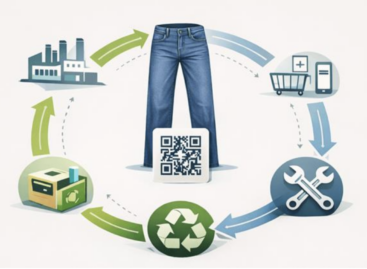
Products in the EU will receive a digital passport
🎧 Hallgasd a cikket: Lejátszás Szünet Folytatás Leállítás Nyelv: Auto…
Read more >
The Hungarian sports drink manufacturer has launched three new functional drinks
🎧 Hallgasd a cikket: Lejátszás Szünet Folytatás Leállítás Nyelv: Auto…
Read more >
