
K&H: 16 thousand kilometers per year, 28 thousand forints per month for fuel – motorists’ budgets remain stable

Middle-aged Hungarian drivers drive an average of 16,000 kilometers per year, a distance that has been stable in the long term, according to K&H’s surveys. Looking at recent years, only in 2020, due to the coronavirus pandemic, did mileage decrease to 13,000 kilometers.
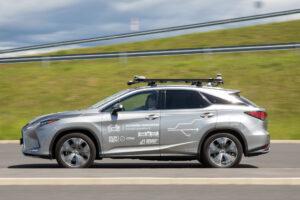 According to the latest results, however, the breakdown by gender and marital status shows significant differences: male drivers drive an average of 18,000 kilometers per year, while this value is 14,000 kilometers for women. Parents with children drive an average of 19,000 kilometers per year, compared to an average of 13,000 kilometers for those without children. The type of fuel continues to determine the intensity of use, as diesel car users, with their annual mileage of 22,000 kilometers, far surpass the average of gasoline drivers, which is 15,000 kilometers.
It also turned out that members of the 30-59 age group with a driver’s license and a car spend an average of 28 thousand forints on fueling per month. Between 2017 and 2025, this amount gradually increased, between 20 and 30 thousand forints. In parallel with the stagnation of the distance traveled, the amounts spent on fuel in family budgets will also remain unchanged at around 28-30 thousand forints. According to the type of residence, those living in villages are forced to dig the deepest into their pockets with a monthly expenditure of 31 thousand forints, as they use the car more and this is reflected in the costs, while those living in Budapest spend an average of 26 thousand forints on fueling. The income situation also influences spending, with high and middle-income earners spending 30 thousand forints per month, and low-income earners spending 23 thousand forints.
Although 65 percent of those surveyed continue to consciously monitor prices, this is a significant decrease compared to the 73 percent result of the previous two years. At the same time, more than a third of middle-aged motorists, exactly 35 percent, are no longer influenced by fuel prices at all. This represents a significant increase compared to 25 percent a year earlier.
While 54 percent of motorists tried to travel with several people in one car in order to reduce costs a year ago, this proportion has now fallen to 44 percent. At the same time, the number of those who said they drive less – both within the city and on longer, rural trips – has decreased. The former has changed from 44 to 40 percent, and the latter from 37 to 31 percent.
About the K&H Sure Future Survey
The aim of the K&H Sure Future Survey cited in the announcement is to present quarterly changes in the sense of security of the 30-59 year old population. In addition to assessing the financial situation, the survey examines various current topics in detail each quarter: the development of the desire to travel, retirement prospects and the amount of money that can be spent on retirement savings, the housing situation and prospects of the members of the age group, and their opinions on transportation, including traffic safety and vehicle safety. The number of respondents is 500 per quarter, and their composition represents the Hungarian population aged 30-59 based on gender, age, region and settlement type. The most recent survey was conducted between October 27 and November 5, 2025.
Related news
The corporate sector on a uniform basis of trust
🎧 Hallgasd a cikket: Lejátszás Szünet Folytatás Leállítás Nyelv: Auto…
Read more >
K&H: travel budget has reached its ceiling
🎧 Hallgasd a cikket: Lejátszás Szünet Folytatás Leállítás Nyelv: Auto…
Read more >
BMW sales in Hungary increased by 24.5 percent in the first quarter
🎧 Hallgasd a cikket: Lejátszás Szünet Folytatás Leállítás Nyelv: Auto…
Read more >Related news

Aldi, Auchan, Lidl, PENNY, SPAR, Tesco: in 2024 they paid more than 710 billion into the budget, while closing with a loss
🎧 Hallgasd a cikket: Lejátszás Szünet Folytatás Leállítás Nyelv: Auto…
Read more >
OKSZ: Household consumption cannot keep up with the growth rate of real wages
🎧 Hallgasd a cikket: Lejátszás Szünet Folytatás Leállítás Nyelv: Auto…
Read more >
KSH: retail turnover in February exceeded the same period of the previous year by 3.8 percent and the previous month by 0.4 percent
🎧 Hallgasd a cikket: Lejátszás Szünet Folytatás Leállítás Nyelv: Auto…
Read more >
