
Most of the black olives sold in stores can be colored using a chemical process

Few people know that black and green olives are different stages of ripeness of the same fruit – however, the picked berry is extremely bitter when raw, so its industrial processing is inevitable.
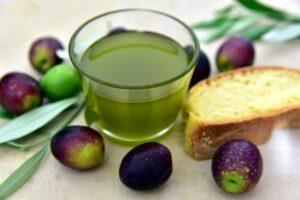 In large-scale production, the compound responsible for the bitter taste, called oleuropein, is typically extracted with an alkaline sodium hydroxide solution. This process also removes the dark color of the ripe berries.
The vast majority of black olives available on the market (nearly 99%) get their characteristic shade afterwards: manufacturers use an oxidation process, often with the addition of iron gluconate (E579). The fact of coloring must also be indicated on food labels: if we see that it is “colored by oxidation process”, we can be sure that the color of the berries is not the result of a natural ripening process.
Related news

The price of olive oil rises dramatically: counterfeiting and stock shortages are breaking records
🎧 Hallgasd a cikket: Lejátszás Szünet Folytatás Leállítás Nyelv: Auto…
Read more >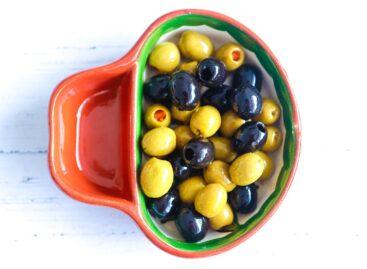
Spain’s Grupo Alimentario IAN buys local olives producer Interoliva
🎧 Hallgasd a cikket: Lejátszás Szünet Folytatás Leállítás Nyelv: Auto…
Read more >
“Because the martini without olives…” – Picture of the day
🎧 Hallgasd a cikket: Lejátszás Szünet Folytatás Leállítás Nyelv: Auto…
Read more >Related news

Good Friday is in a week: the Easter shopping season has begun
🎧 Hallgasd a cikket: Lejátszás Szünet Folytatás Leállítás Nyelv: Auto…
Read more >
Seed sampling in focus: VSZT and Nébih held a training day
🎧 Hallgasd a cikket: Lejátszás Szünet Folytatás Leállítás Nyelv: Auto…
Read more >
This is how the construction industry will change in 2026
🎧 Hallgasd a cikket: Lejátszás Szünet Folytatás Leállítás Nyelv: Auto…
Read more >
