Breaking the cold chain is now not only a quality risk, but also a food safety risk: due to the acceleration of spoilage processes, the temperature along the entire route – from processing to storage and transport to store storage – must be kept under control. For refrigerated goods, 2–7 °C is typically the guideline, and for frozen products -18 °C is the guideline, while narrower optimums also appear for each product category (meat, fish, leafy vegetables).
 The basis of modern cold chains was historically created by Carl von Linde‘s mechanical refrigerator in 1876: the industrial application of refrigeration made it possible for food to reach customers over long distances in predictable quality. By the 1950s, the chain of trust – producer, processor, logistician, trader – had developed into a global system, where a failure in one section jeopardizes the quality of the entire supply chain.
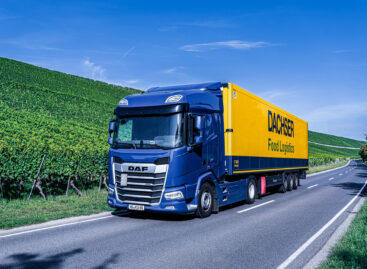
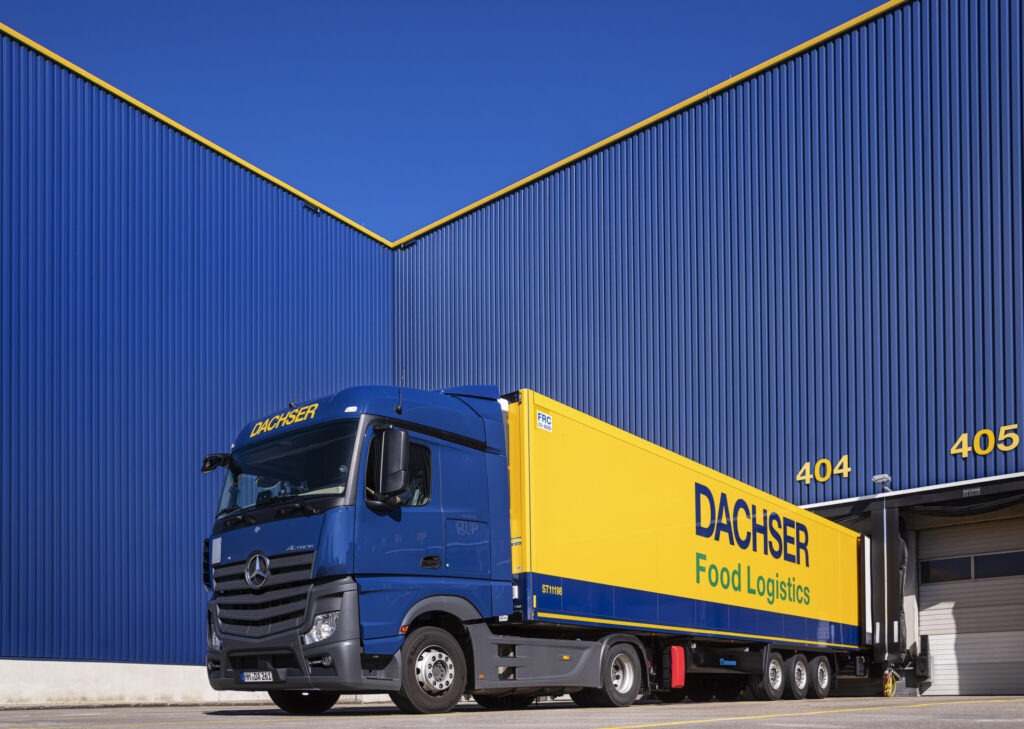
In practice, one of the big changes of the 21st century is that the cold chain has become “visible”: in addition to HACCP-based operation, insulated warehouses, docks facilitating rapid transhipment, time-stamped documentation of temperature data and telematic tracking have become basic requirements. DACHSER, for example, relies on real-time data collection in its Food Logistics business: multi-point sensing of cold storage areas and online control serve the purpose of ensuring that temperature deviations can be immediately detected and managed.
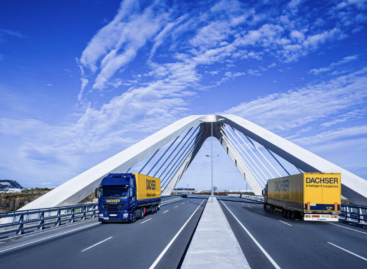
Speed remains a key factor: refrigeration only “maintains” quality if transport and transhipment are also smooth. This model also includes the European Food Network: networks organized for temperature-controlled groupage transport aim to ensure that fresh and frozen products reach retail outlets with as few interruptions as possible.