
How do Hungarian restaurant managers relate to artificial intelligence?

A joint study by researchers from Corvinus University of Budapest – Dr. Bence Csapody, Dr. Márk Miskolczi and Dr. Melinda Jászberényi – was recently published in the British Food Journal, which is the first to map the attitudes of Hungarian restaurant decision-makers towards artificial intelligence (AI)-based restaurant technologies.

The acceptance or rejection of AI is organized along five different, clearly identifiable management mindsets (Image: Google Gemini)
The study published in the British Food Journal makes it clear that digitalization is not just a matter of technological development, but part of a complex strategic decision package. Management attitudes, brand identity, guest profile and organizational culture are at least as important as the pricing or functionality of the system. One of the most important findings of the research is that the acceptance or rejection of AI is not a “yes or no” question, but is organized along five different, clearly identifiable managerial mindsets.
Results of the research
The authors used Q-methodology to measure the preferences and fears of restaurant managers in Budapest related to AI. The research resulted in five markedly different managerial groups, which provide important guidelines for the coming years of the domestic hospitality industry.
- Managers who favor personalized service
The members of the first group firmly see the essence of hospitality in human interactions. For them, communication skills, emotional attunement and personal attention are qualities that digital systems or robots cannot compete with. They believe that in the restaurant experience, it is the personality that brings guests back, not the technology. They are not afraid of digitalization, but they consider it unnecessary: they believe that guest needs can still be served at a high level with human resources and personal attention. This segment is most relevant for restaurants where the core of the guest experience is storytelling, human connection and personalized presence. For them, AI would be more of a threat to the brand than an opportunity.
- Managers focused on guest needs
The second group is much more open to innovative solutions, but only if there is guest-side support. They only introduce AI-based or digital front-of-house solutions if they truly respond to a real guest need, such as faster order taking, more visually rich illustrations or more effective guest communication. They are more optimistic about the return on investment than the previous group, and believe that appropriate support programs (tenders, government incentives) could significantly accelerate the technological transition. This group is a believer in pragmatic solutions: technology is a means, not an end for them.
- Skeptics due to resistance within the team
The third group is not primarily concerned about guests or technology costs, but about employee attitudes. They were the most vocal in the research that the reason for colleagues’ overload may be the introduction of new digital systems, which they consider complex, stressful, and difficult to learn. This group believes that digitalization often slows down operations – at least in the short term – and that guests are also slower to accept new interfaces than many service providers think. Therefore, according to them, digitalization primarily requires the development of organizational culture, not the promotion of equipment procurement.
Related news

Vergil AI to Open Up to SMEs This Year With Its Intelligent Learning Management Platform
🎧 Hallgasd a cikket: Lejátszás Szünet Folytatás Leállítás Nyelv: Auto…
Read more >
AI Start 500: Hungarian SMEs receive free access to AI agents
🎧 Hallgasd a cikket: Lejátszás Szünet Folytatás Leállítás Nyelv: Auto…
Read more >
Metro modernises fresh logistics with artificial intelligence
🎧 Hallgasd a cikket: Lejátszás Szünet Folytatás Leállítás Nyelv: Auto…
Read more >Related news
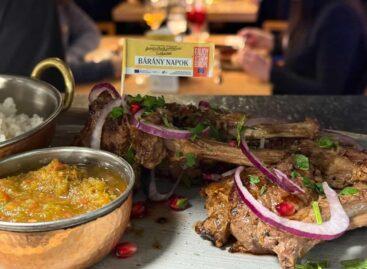
The 2026 Lamb Days program ended with record participation
🎧 Hallgasd a cikket: Lejátszás Szünet Folytatás Leállítás Nyelv: Auto…
Read more >
New trend in tourism: Young travelers are no longer looking for a room, but for company in Europe
🎧 Hallgasd a cikket: Lejátszás Szünet Folytatás Leállítás Nyelv: Auto…
Read more >
Recipes for Easter: dairy-, gluten- and sugar-free delicacies
🎧 Hallgasd a cikket: Lejátszás Szünet Folytatás Leállítás Nyelv: Auto…
Read more >
