
Weight loss injections: a breakthrough in the treatment of obesity, but access and price are still bottlenecks

 According to the professor, the “incretin-based” drugs (GLP-1 receptor agonists and newer drugs acting on multiple hormonal axes) that have been released in recent years have attracted so much interest because they simultaneously affect appetite, the feeling of satiety, and blood sugar control. The drugs slow down gastric emptying and can reduce calorie intake through the brain’s satiety centers; in diabetes, they can support insulin secretion that is adjusted to blood sugar levels. According to the Pénzcentrum interview, the amount of weight loss with some therapies can reach around 20%, but the goal is not rapid, but controlled, sustainable weight loss.
Related news

(HU) Béres Alexandra: A cukor komoly függőség, nekem ez nem fér bele
🎧 Hallgasd a cikket: Lejátszás Szünet Folytatás Leállítás Nyelv: Auto…
Read more >
Surprising things discovered about diet pills
🎧 Hallgasd a cikket: Lejátszás Szünet Folytatás Leállítás Nyelv: Auto…
Read more >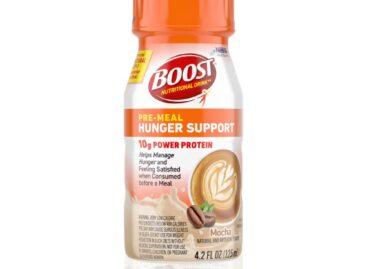
Nestlé‘s launches drink that suppresses hunger, promotes GLP-1 production
🎧 Hallgasd a cikket: Lejátszás Szünet Folytatás Leállítás Nyelv: Auto…
Read more >
More related news >
Related news
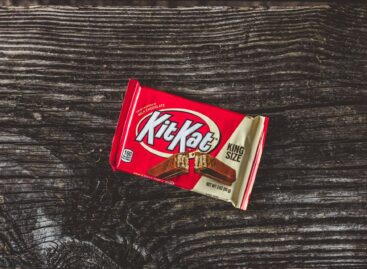
Nestlé hunts for clues to 12-ton chocolate theft with ‘Stolen KitKat Tracker’
🎧 Hallgasd a cikket: Lejátszás Szünet Folytatás Leállítás Nyelv: Auto…
Read more >
Using SZÉP card benefits has become easier
🎧 Hallgasd a cikket: Lejátszás Szünet Folytatás Leállítás Nyelv: Auto…
Read more >
Revolut opens a Hungarian branch, transfers become more expensive
🎧 Hallgasd a cikket: Lejátszás Szünet Folytatás Leállítás Nyelv: Auto…
Read more >
