Reusable Packaging Could Save 710,000 Tonnes Of Waste In Germany, Study Finds

A recent study by Deutsche Umwelthilfe (DUH) and the German Reusable Packaging Association (MWV) unveiled the environmental impact of pre-packed food in supermarkets and the potential of reusable packaging.
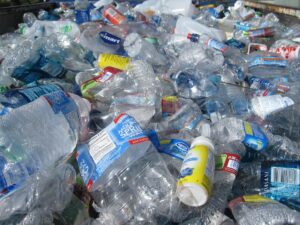
According to the study, around 18 billion products feature single-use packaging annually in Germany, including baby food, dairy products, coffee, spreads, tinned fruit and vegetables, oil, vinegar, and wine.
This results in approximately 1.3 million tonnes of packaging waste each year, which is equivalent to the volume of nearly seven football stadiums, the DUH noted.
The study suggests that switching to reusable packaging in select categories, such as wine, tinned fruit and vegetables, oil and vinegar, could reduce packaging waste by up to 710,000 tonnes annually.
In addition, this shift could save around 409,000 tonnes of CO2 emissions and 143,000 tonnes of raw materials, including quartz sand and steel, ESM Magazine reports.
Retail Engagement As Key Factor
The study also outlines practical recommendations for producers, retailers and reusable system providers.
Greater retailer engagement is essential to scaling reusable solutions, DUH noted.
This includes introducing new reusable formats and integrating them into private-label products, improving in-store availability and clear labelling, as well as using existing deposit return infrastructure to simplify returns.
According to the study, reusable packaging currently accounts for only 4% for wine and dairy products and less than 0.1% for tinned fruit and vegetables.
Policy Measures
DUH is calling for mandatory reusable packaging quotas for pre-packaged food in Germany’s Packaging Act, aiming to speed up the adoption of reusable packaging.
The organisation noted that although reusable packaging systems already exist, they remain underused because they are not widely available in supermarkets.
Upcoming quotas for beverage packaging, set to take effect from 2030, should be expanded to include pre-packaged food, according to the DUH.
In addition, MWV emphasised that broader adoption will depend on implementing measures to integrate reusable packaging in retail operations.
According to MWV, shared, managed pool systems across multiple producers and retailers could improve efficiency and accessibility.
Barbara Metz, federal managing director of the DUH, said, “Reusable packaging reduces waste, protects the climate and reduces our dependence on raw materials. Germany must cut packaging waste by around one million tonnes by 2030. […]
“Federal environment minister Carsten Schneider has missed the opportunity to [extend this regulation to pre-packaged food] in the new Packaging Act Implementation Act. We call on all members of the Bundestag to enforce mandatory reusable quotas.”
Related news
Rossmann Begins Testing Humanoid Robot in Logistics Operations
🎧 Hallgasd a cikket: Lejátszás Szünet Folytatás Leállítás Nyelv: Auto…
Read more >
REWE Launches Drive&Go Pickup Service
🎧 Hallgasd a cikket: Lejátszás Szünet Folytatás Leállítás Nyelv: Auto…
Read more >
Germans reluctant to trust AI with their purchases
🎧 Hallgasd a cikket: Lejátszás Szünet Folytatás Leállítás Nyelv: Auto…
Read more >Related news
Shoppers loved chocolate bars
🎧 Hallgasd a cikket: Lejátszás Szünet Folytatás Leállítás Nyelv: Auto…
Read more >
Nestlé hunts for clues to 12-ton chocolate theft with ‘Stolen KitKat Tracker’
🎧 Hallgasd a cikket: Lejátszás Szünet Folytatás Leállítás Nyelv: Auto…
Read more >
Using SZÉP card benefits has become easier
🎧 Hallgasd a cikket: Lejátszás Szünet Folytatás Leállítás Nyelv: Auto…
Read more >
