European Commission: cosmetics continue to top the list of dangerous non-food products
The EU Rapid Alert System for Dangerous Non-Food Products received the most notifications last year for cosmetic products and toys, and cosmetics also topped the list of Hungarian alerts, followed by children’s toys, according to an EU report on the operation of the system presented in Brussels on Thursday.
 At the press conference for the Safety Gate report, presenting the results of consumer protection in 2025, Michael McGrath, EU Commissioner for the Rule of Law and Consumer Protection, said that 4,671 alerts were reported last year in the member states of the European Union, as well as in Norway, Iceland and Liechtenstein. This represents a 13 percent increase compared to 2024 and an average of nearly 100 alerts per week.
The 30 participating countries also sent 5,794 so-called follow-up notifications, a 35 percent increase compared to the previous year.
The EU’s rapid alert system for dangerous non-food products does not cover medicines, medical devices or animal feed, which have their own alert systems.
The EU commissioner said that since the system was introduced in 2003, in 2025 there had been the highest number of alerts recorded, more than twice as many as in 2022. The increase in the number of alerts shows the increasing effectiveness of the system and the trust of consumers in the system, he explained.
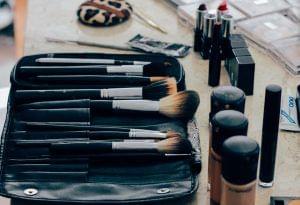
According to the report, the three most frequently reported risks identified last year were the presence of chemicals (49 percent), personal injury caused by products (14 percent), and poisoning caused by environmental pollution. The list of risky products is topped by cosmetics (36 percent), toys (16 percent) and electrical household appliances (11 percent).
It was highlighted that health risks from products containing hazardous chemicals continue to be the main cause of alerts, accounting for more than half (53 percent) of all notifications. This is followed by the risk of injury (14 percent) and the risk of suffocation (9 percent).
Nearly eight percent of warnings on cosmetics are related to the presence of butylphenyl methylpropional, also known as Lilial (BMCHA), a banned synthetic fragrance used in personal care products, which can have adverse effects on the reproductive system and cause skin irritation. National authorities have reported for the first time a banned chemical substance, TPO (Trimethylbenzoyl-diphenylphosphine oxide), found in nail polish, which is used to bind gel polishes and artificial nail builder gels and may pose a health risk before birth and may also trigger allergic reactions.
The report revealed that the risks identified in Hungary last year included cosmetics (51 percent), decorative lighting strings (22 percent), and children’s toys (15 percent). Hungarian authorities reported 365 alerts in 2024 and 317 in 2025.
Related news
The mineral water bottling company made significant commitments as a result of the GVH proceedings
🎧 Hallgasd a cikket: Lejátszás Szünet Folytatás Leállítás Nyelv: Auto…
Read more >
The GVH and the NKFH checked the price display practices of online stores in a European investigation
🎧 Hallgasd a cikket: Lejátszás Szünet Folytatás Leállítás Nyelv: Auto…
Read more >
The consumer protection authority initiated the recall of contaminated lemongrass leaves
🎧 Hallgasd a cikket: Lejátszás Szünet Folytatás Leállítás Nyelv: Auto…
Read more >Related news
Spring renewal: interest in surprising products increased in spring
🎧 Hallgasd a cikket: Lejátszás Szünet Folytatás Leállítás Nyelv: Auto…
Read more >
Rossmann celebrated women’s successes as the main sponsor
🎧 Hallgasd a cikket: Lejátszás Szünet Folytatás Leállítás Nyelv: Auto…
Read more >
Hungarians order with one sentence: this is how we shop with the help of AI
🎧 Hallgasd a cikket: Lejátszás Szünet Folytatás Leállítás Nyelv: Auto…
Read more >
