
Experience, timing, awareness: a new travel logic is emerging towards 2026

The post-Covid era has not simply brought back the desire to travel, but has fundamentally transformed the way people travel. The logic of “see as many sights as possible in as little time as possible” is increasingly being replaced by experience-based, slower, more personal travel, where the emphasis is on local connection, mental recharge and individual needs. According to a recent analysis by CNBC, five major trends will redraw the travel map of the coming year – and they will directly affect tourism service providers.
 One of the most striking changes is the conscious avoidance of the high season. A growing number of travelers are trying to distance themselves from over-touristed periods and locations, partly due to overcrowding and partly due to the effects of climate change. Nearly half of the consultants at the international travel network Virtuoso reported that their clients are already modifying their plans specifically based on weather risks, while three-quarters are seeing an increase in interest in pre- and post-season travel. This trend could mean more balanced demand for destinations and a longer, more predictable season for service providers.
In parallel, the role of so-called “secondary cities” is growing dramatically. Instead of the main tourist centers, more and more people are choosing lesser-known but culturally rich regions, where it is easier to avoid the crowds and gain a deeper experience. Agoda data shows that in Asia, these destinations are growing faster than traditional tourist hubs, with several countries, including Japan and Indonesia, already supporting this with conscious government strategies. This approach is also becoming increasingly apparent in Europe, creating new opportunities for more peripheral regions.
The concept of all-inclusive is also changing. The model, which was previously based primarily on efficiency and predictability, is now much more about mental relief. According to an analysis by Lemongrass Marketing, burnt-out, overloaded travelers are not necessarily looking for more choices, but for fewer, but reliable, decisions to be made for them. This is especially noticeable in the premium segment, where, according to HunterMoss’ experience, “endless options” have been replaced by curated, carefully constructed travel packages.
Wellness travel has also reached a new level. Traditional spa and relaxation programs are increasingly being replaced by scientifically based trips focused on long-term health and mental well-being. The range of offerings is expanding, from Indian Ayurvedic cures to Central American yoga and surfing programs, while younger generations are specifically looking for active, movement-based experiences. According to a Contiki survey, the majority of American travelers under the age of 35 prefer active programs, and more than half of them adhere to their own wellness routines while traveling.
Strong generational patterns are also emerging. Nostalgia travel has emerged among younger travelers, connecting them to childhood locations and experiences, while new retirees – including the oldest members of Generation X – are planning longer, more adventurous “golden years of vacations.” These groups have different expectations, but they share a desire for personalized experiences.
All of this is increasingly intertwined with the use of artificial intelligence. Hotels and travel service providers are using predictive systems to anticipate guest needs, fine-tune offerings, and provide personalized experiences. Technology is not just an efficiency tool, but has become the new foundation of experience design.
Overall, the travel trends of the coming year show that tourism is becoming less of a mass product and more of a complex service, where timing, experience quality and individual well-being become competitive advantages. This change in perspective will not only change the decisions of travelers, but also the operation of the entire tourism value chain.
Related news

MTÜ: Hungarian tourism has reached historic records in recent years
🎧 Hallgasd a cikket: Lejátszás Szünet Folytatás Leállítás Nyelv: Auto…
Read more >
K&H: travel budget has reached its ceiling
🎧 Hallgasd a cikket: Lejátszás Szünet Folytatás Leállítás Nyelv: Auto…
Read more >
Eurostat: nearly one million nights spent in online accommodation in the EU in 2025
🎧 Hallgasd a cikket: Lejátszás Szünet Folytatás Leállítás Nyelv: Auto…
Read more >Related news

OKSZ: Household consumption cannot keep up with the growth rate of real wages
🎧 Hallgasd a cikket: Lejátszás Szünet Folytatás Leállítás Nyelv: Auto…
Read more >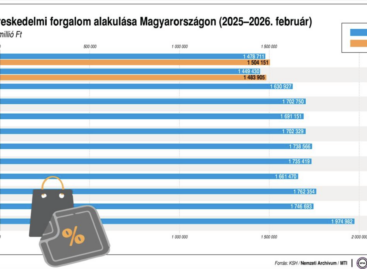
KSH: retail turnover in February exceeded the same period of the previous year by 3.8 percent and the previous month by 0.4 percent
🎧 Hallgasd a cikket: Lejátszás Szünet Folytatás Leállítás Nyelv: Auto…
Read more >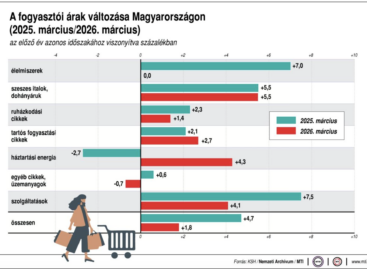
In March, consumer prices exceeded the values of the same month of the previous year by an average of 1.8 percent
🎧 Hallgasd a cikket: Lejátszás Szünet Folytatás Leállítás Nyelv: Auto…
Read more >
