
Using SZÉP card benefits has become easier

Before the 2026 Easter season, the use of SZÉP card benefits became dramatically easier: with digitalization, the card was also included in mobile wallets, so it was possible to pay by phone in more and more situations, from holiday shopping to domestic travel. This was important from the market point of view because the system simultaneously experienced record spending and a significant unused balance.
 The cafeteria market reached a peak in 2025: total spending increased to HUF 492 billion, which represented a 14% increase compared to the previous year. At the end of the year, however, around HUF 127 billion of unspent funds remained on SZÉP cards. The spread of mobile wallet use could also make it easier to move this “stuck” money, because the use of physical cards and the hassle of PIN codes was previously a real barrier to entry for many.
The three major issuers – OTP, K&H, MBH – pushed users in the same direction with different solutions. At OTP, the system’s turnover was already outstanding in the first nine months of 2025: cardholders spent more than 300 billion forints in nearly 50 million transactions, and the share of digital use increased noticeably. The bank’s own, wide-coverage terminal network meant that smart device payments could operate more stably in rural areas and at large chains. Meanwhile, K&H strengthened the integration of smartwatch payments; the model generated 27 billion forints in turnover in 2025, especially in the more technology-friendly segments. At MBH, “family” use with companion cards became simpler: moving companion cards to mobile phones made it faster to spend the joint budget without applying for a virtual card, which was a particularly tangible advantage around Easter – when spending was often divided between several family members.
Two channels stood out among the areas of use before Easter. Due to the previously permanent regulation for food purchases, the SZÉP card remained usable in larger food chains; in December 2025, this option alone brought 15 billion forints in additional turnover in retail. The other strong area was domestic tourism: the long holiday weekend and spring break traditionally marked peak season for many accommodations, and mobile wallet payments accelerated the booking and on-site payment process.
Digital use emerged not only as a convenience but also as a security argument. While losing plastic could pose a risk for small amounts, biometric identification (fingerprint, FaceID) and tokenization solutions provided stronger protection for mobile payments, which, in addition to the increasing number of phishing attempts during the holiday period, emerged as a special value for service providers.
Related news
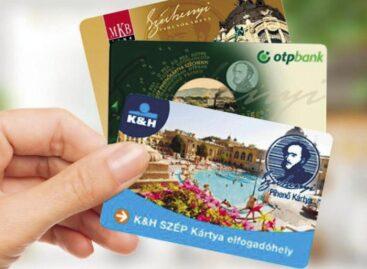
Confidence in the SZÉP card remains unbroken, with 18 percent more payments made with it in February
🎧 Hallgasd a cikket: Lejátszás Szünet Folytatás Leállítás Nyelv: Auto…
Read more >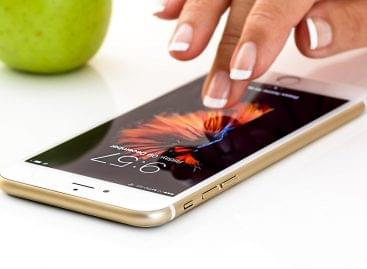
From today, K&H mobile banking can also be used by customers who do not have a bank account but have a SZÉP card.
🎧 Hallgasd a cikket: Lejátszás Szünet Folytatás Leállítás Nyelv: Auto…
Read more >
It used to be like this: more than a hundred thousand people joined health funds in 2025
🎧 Hallgasd a cikket: Lejátszás Szünet Folytatás Leállítás Nyelv: Auto…
Read more >Related news
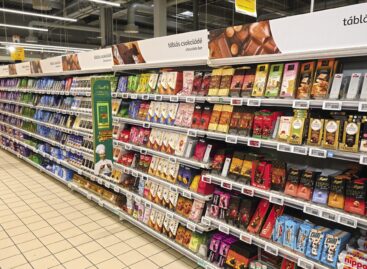
Shoppers loved chocolate bars
🎧 Hallgasd a cikket: Lejátszás Szünet Folytatás Leállítás Nyelv: Auto…
Read more >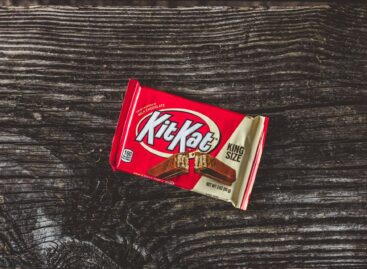
Nestlé hunts for clues to 12-ton chocolate theft with ‘Stolen KitKat Tracker’
🎧 Hallgasd a cikket: Lejátszás Szünet Folytatás Leállítás Nyelv: Auto…
Read more >
Revolut opens a Hungarian branch, transfers become more expensive
🎧 Hallgasd a cikket: Lejátszás Szünet Folytatás Leállítás Nyelv: Auto…
Read more >
