
Veganism is not a renunciation, but an opportunity

In January, many of us feel like it’s time to slow down, rethink our habits, and be more conscious about our bodies. The Vegan January challenge was born in exactly this spirit: it allows us to step outside our usual framework and literally experience what it means to eat plant-based for a month.
Don’t be afraid of it, it’s not bad
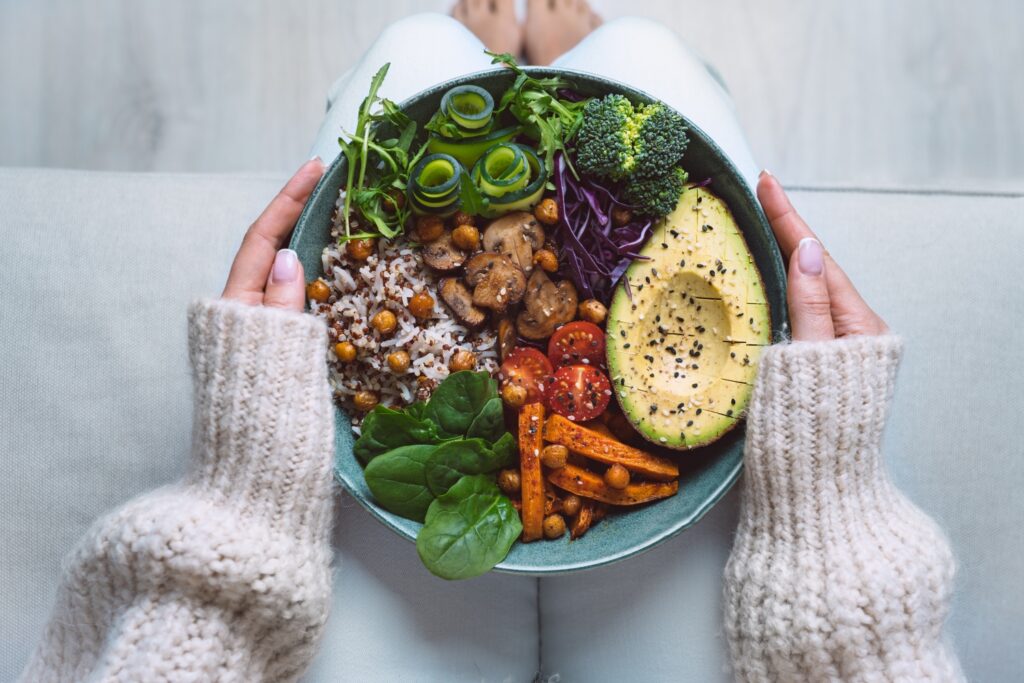 The vegan diet is still surrounded by many misconceptions. “You can’t live well with it,” “it leads to deficiency diseases,” “it’s too complicated,” “people are carnivores” – we often hear these reasons regarding the topic, many people think that it’s only about “not eating meat,” but the reality is that a well-composed plant-based diet can easily become complete and provide all the necessary nutrients. The key is what goes on our plate!
One of the critical points of veganism is protein intake – and not by chance. In addition to building muscle, the body also needs protein for hormone balance, cell regeneration, and energy supply – to name a few – which is why it is important to replace animal protein with plant-based protein. This is not impossible, according to Sára Somogyi, a dietitian at BioTechUSA, the solution lies in combining: “By consuming a variety of legumes, grains, and oilseeds, we can obtain complete protein sources. These include, for example, tofu and other soy products, and grains, breads, baked goods, grain-based side dishes, and pasta. As for seeds, we can eat them raw, but butters made from them, such as peanut, cashew, or nut butters, can also be perfect alternatives for protein supplementation.”
Another obvious solution in addition to dietary changes is to purchase a high-quality protein powder – this is not only useful for those who exercise regularly. Vegan Protein Bar is also worth keeping in your drawer, as they can give you extra energy after a workout, and can even be used when you suddenly feel hungry.
Although a well-composed plant-based diet basically requires more fiber intake, it is still important to keep variety in mind.
“Let’s give preference to seasonal produce; of course, it’s no problem if a Hungarian vegetable is not on the menu. on the plate. The point is to eat them as varied as possible”
– the expert added.
The devil is in the details
Since vitamin D3 and vitamin B12 cannot be obtained from a plant-based diet, or only to a limited extent, as can omega-3 fatty acids, they must be supplemented in the form of dietary supplements. In addition, iron and calcium supplements can also be useful. Although they can be provided from plant-based sources, it requires awareness and a varied diet that can be a challenge even for an experienced vegan. Vitamin C helps iron absorb, so it is worth always consuming them at the same time. You don’t have to think about it too much, hummus with a little lemon or chickpea curry with freshly squeezed lime juice can be a good choice.
The truly committed can also balance their zinc, iodine and selenium needs by incorporating legumes, seeds – especially Brazil nuts for selenium -,
algae, and iodized salt into their diet.
Not a waiver, but an opportunity
Many people only focus on the “what not to eat” part of veganism and are scared of the waivers – for example, giving up eggs, which are associated with flaxseed.
Tags: BioTech USA, vegánság
Related news

BioTech USA investment program creates 100 new jobs
🎧 Hallgasd a cikket: Lejátszás Szünet Folytatás Leállítás Nyelv: Auto…
Read more >
More than 44,000 people tried going vegan in January
🎧 Hallgasd a cikket: Lejátszás Szünet Folytatás Leállítás Nyelv: Auto…
Read more >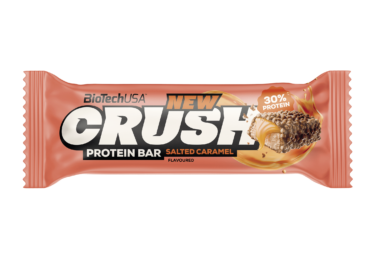
BioTechUSA – Crush Bar
🎧 Hallgasd a cikket: Lejátszás Szünet Folytatás Leállítás Nyelv: Auto…
Read more >
More related news >
Related news

Asda And Podback Recycle 20 Million Coffee Pods In First Year Of Partnership
🎧 Hallgasd a cikket: Lejátszás Szünet Folytatás Leállítás Nyelv: Auto…
Read more >
Danone buys meal-replacement firm Huel
🎧 Hallgasd a cikket: Lejátszás Szünet Folytatás Leállítás Nyelv: Auto…
Read more >
Zalando is scaling up its use of AI-powered warehouse robots
🎧 Hallgasd a cikket: Lejátszás Szünet Folytatás Leállítás Nyelv: Auto…
Read more >
