
Winter often brings with it deficiency diseases

A mindful lifestyle isn’t just about exercising or counting calories. Getting the micronutrients your body needs is important for your daily energy levels, well-being, and long-term health. One of the most important of these is vitamin D, which plays a key role in several essential processes.
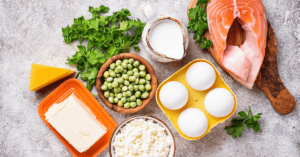 According to the claims approved by the European Food Safety Authority (EFSA), vitamin D contributes to the normal functioning of the immune system and muscle function, participates in the maintenance of healthy bones and teeth, and plays a role in calcium-phosphorus metabolism. However, due to the modern, typically indoor lifestyle and less natural sunlight, many people do not have optimal intake.
According to several domestic studies, a significant portion of the Hungarian adult population – especially in the autumn-winter and early spring periods – does not reach optimal vitamin D levels. Due to the geographical conditions of Hungary, sunlight is not sufficient for adequate vitamin D production for most of the year, which is further strengthened by sedentary work and indoor living.
The basis is always diet, in all seasons
“The basis of vitamin and mineral intake is primarily a varied, balanced diet. Among our foods, natural sources of vitamin D include fatty sea fish (e.g. salmon, mackerel, herring), egg yolk, liver and liver products, and certain mushrooms. Regular consumption of these can be a good starting point, but nutrition alone does not fully cover the daily vitamin D requirement,” says Sára Somogyi, dietician at BioTechUSA.
“The role of vitamin D in the functioning of the immune system and in supporting the musculoskeletal system has been scientifically proven. In Hungary “Many people develop a deficiency, as even the most varied and balanced diet cannot provide the right amount of vitamin D, so regular, controlled supplementation in the form of a food supplement – taking into account diet and lifestyle – can be part of prevention.” – adds the dietician.
“It is important to emphasize that food supplements do not replace a balanced diet, but are its complements,” emphasizes Sándor Németh, product specialist at BioTechUSA. “The basis is always nutrient intake from food, however, in certain life situations – for example, during regular exercise, increased stress during pregnancy or in case of individual needs – targeted vitamin D supplementation may be justified, even in the summer.”
What is the recommended amount of vitamin D?
A daily vitamin D intake of 1500‑2000 IU (37.5-50 μg for healthy adults is usually recommended to achieve and maintain the appropriate level. Of course, this may vary from person to person, and the optimal dose may depend on age, body weight, lifestyle, health status and the amount of seasonal sunlight. It is worth checking your vitamin D level with a laboratory test at regular intervals to ensure that the supplement is actually at the required level.
The special thing about vitamin D is that our body produces it basically under the influence of sunlight: it is produced in the skin under the influence of UV-B radiation, and then converted into its active form in the liver and kidneys. However, in the autumn-winter period, when there is little sunlight, this natural formation decreases significantly, so it is especially important to supplement it. There are several ways to do this: everyone can find the most suitable one for themselves among the products available on the market in the form of drops, tablets and capsules. Since vitamin D is a fat-soluble vitamin, it is worth taking it with meals for better absorption.

Related news
Vitamins for the little ones
🎧 Hallgasd a cikket: Lejátszás Szünet Folytatás Leállítás Nyelv: Auto…
Read more >
There are no unhealthy foods, only poorly chosen quantities
🎧 Hallgasd a cikket: Lejátszás Szünet Folytatás Leállítás Nyelv: Auto…
Read more >
The sled, the snow shovel and the car battery are the stars of extreme weather at eMAG
🎧 Hallgasd a cikket: Lejátszás Szünet Folytatás Leállítás Nyelv: Auto…
Read more >Related news

KSH: in February the foreign trade surplus for goods was 665 million euros, the volume of exports was 2.3 percent lower, and that of imports was 6.7 percent higher than in the same period of the previous year
🎧 Hallgasd a cikket: Lejátszás Szünet Folytatás Leállítás Nyelv: Auto…
Read more >
REGIO Játék: Families spend a maximum of ten thousand forints on Easter gifts
🎧 Hallgasd a cikket: Lejátszás Szünet Folytatás Leállítás Nyelv: Auto…
Read more >
Péter Szijjártó: the domestic food industry is further strengthened with the investment of SUGO FOOD Kft. in Baja
🎧 Hallgasd a cikket: Lejátszás Szünet Folytatás Leállítás Nyelv: Auto…
Read more >
