
Mobile networks also receive extra attention in the unusual cold

The harsh weather experienced in recent weeks poses challenges not only for us. The extreme cold can also affect the mobile network, so the infrastructure provider must be prepared so that users can use their mobile devices smoothly in such conditions.
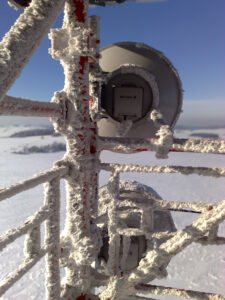 In general, it can be said that today’s modern mobile telecommunications equipment is able to function properly even in very extreme temperature ranges, but extreme cold can still cause minor or major problems. CETIN Hungary, which owns and operates one of the country’s most significant telecommunications network infrastructures – approximately 4,060 base stations – is taking preventive protective measures in the event of foreseeable extreme weather. This is what happened again: the company has drawn the attention of its partners involved in operational tasks to the fact that more failures and downtime are expected, so they should prepare for the expected additional tasks with additional resources, vehicles and backup generators.
“CETIN Hungary’s 24/7 monitoring system automatically alerts you to any failure
– said István Urbán, head of CETIN Hungary’s network monitoring center.
In extreme weather situations, the number of error messages can increase several times the usual volume – in extreme cases, up to ten times. We were prepared for the extreme weather with our colleagues this time too, but the extreme cold did not cause any serious problems for the network. in infrastructure.”
The service provider can perform all parameterizable settings and configuration changes remotely – so when very low temperatures warrant it, even the heating can be turned on remotely. On-site intervention is only necessary if some equipment needs to be replaced.
How does the network withstand extreme weather?
In extreme weather situations, faults most often occur in the power supply chain. This can happen at any base station, but in such cases, users often do not notice anything, because the power supply is temporarily taken over by the backup power source – its capacity depends on the importance of the station in the network – and in the event of a longer power outage, the service provider uses mobile generators.
In Hungarian conditions, severe frost is very rare, and typically does not last long. In such cases, microwave equipment may partially or completely freeze, which may reduce their capacity, or in extreme cases, the given base station may even shut down completely. It may also happen that maintenance workers cannot climb the iced-up tower, and therefore equipment that has failed for any other reason cannot be repaired temporarily. Sometimes ice freezes on the power line that supplies power to the base station, which increases its weight so much that it breaks.
The most common problem caused by weather is not cold weather, but large storms and thunderstorms. These can cause concentrated problems in one place, primarily in the power supply – the stormy winds typical of such times can, for example, tear the power cable, knock down the power pole, or a lightning strike can cause overvoltage in the power network. The telecommunications infrastructure provider is also preparing for the expected additional tasks associated with errors or possible downtime in such cases.
Related news
Agrometeorology: mild weather disrupts the dormant state of plants
🎧 Hallgasd a cikket: Lejátszás Szünet Folytatás Leállítás Nyelv: Auto…
Read more >
Wizz Air: passengers should constantly monitor flight information
🎧 Hallgasd a cikket: Lejátszás Szünet Folytatás Leállítás Nyelv: Auto…
Read more >
Large corporate operations can be both economical and sustainable
🎧 Hallgasd a cikket: Lejátszás Szünet Folytatás Leállítás Nyelv: Auto…
Read more >Related news

McDonald’s deletes 80% of its vegan menu in the UK
🎧 Hallgasd a cikket: Lejátszás Szünet Folytatás Leállítás Nyelv: Auto…
Read more >
Molson Coors buys Monaco Cocktails owner in RTD expansion
🎧 Hallgasd a cikket: Lejátszás Szünet Folytatás Leállítás Nyelv: Auto…
Read more >
Just Eat Takeaway.com brings sustainable packaging range to European markets
🎧 Hallgasd a cikket: Lejátszás Szünet Folytatás Leállítás Nyelv: Auto…
Read more >
