
The Hungarian turkey sector is back on a growth path

The Hungarian turkey sector was able to grow in 2025 after a longer period of decline. Domestic production expanded by about 7.7%, resulting in nearly 7 million live turkeys being produced, of which 5.4 million were purchased by domestic processors. The purchased live weight increased to 74.7 thousand tons, while the price of live turkeys stabilized at around 660–680 HUF/kg, which is 12–16% higher than the previous year. The growth was partly supported by a decline in global turkey meat production and a tightening of European supply, which created a more favorable market environment for the domestic sector.
The turkey market is global trends
In the world’s largest turkey meat producing countries (USA, Brazil, Germany, Poland) emissions have decreased in recent years. The combined production of the most important turkey producing countries decreased by more than 10% between 2020 and 2024 – an important fact in this regard is that the decrease accelerated after the coronavirus pandemic.
The main reasons for the decline:
- recession in the catering industry during the pandemic,
- price competition with chicken (in which chicken leads), and
- production losses caused by avian influenza epidemics.
According to an international survey, the presence of turkey meat in catering has also declined significantly: a study examining the menus of 150 restaurants found only 6 dishes made with turkey meat on the menus, while thousands of beef and chicken dishes were included.
One of the global trends is that the decline in international supply has resulted in the emergence of demand markets in several markets in the past one and a half to two years.
Hungarian turkey production in 2025
The domestic turkey sector showed growth in 2025. Production increased by approximately 400 thousand fattening turkeys, which represents a 7.7% increase compared to the previous year.
The total domestic production thus approached 7 million live turkeys, of which 5.4 million were purchased and processed domestically. The purchased live weight increased by 8.2%, so that 74.7 thousand tons of live turkeys were purchased in Hungary in 2025.
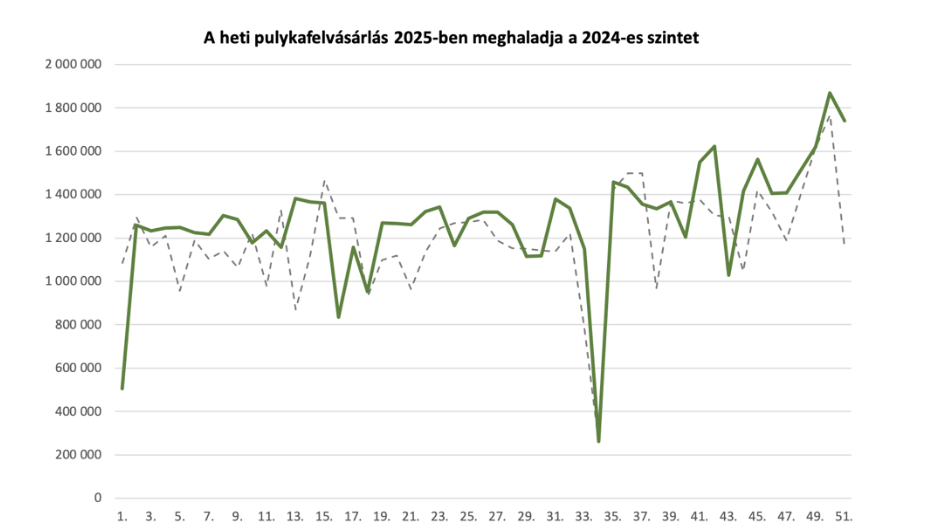
Figure 1: Trends in weekly turkey purchase quantities (2024-2025)
Development of costs and prices
Feed prices play a decisive role in the cost structure of turkey production.
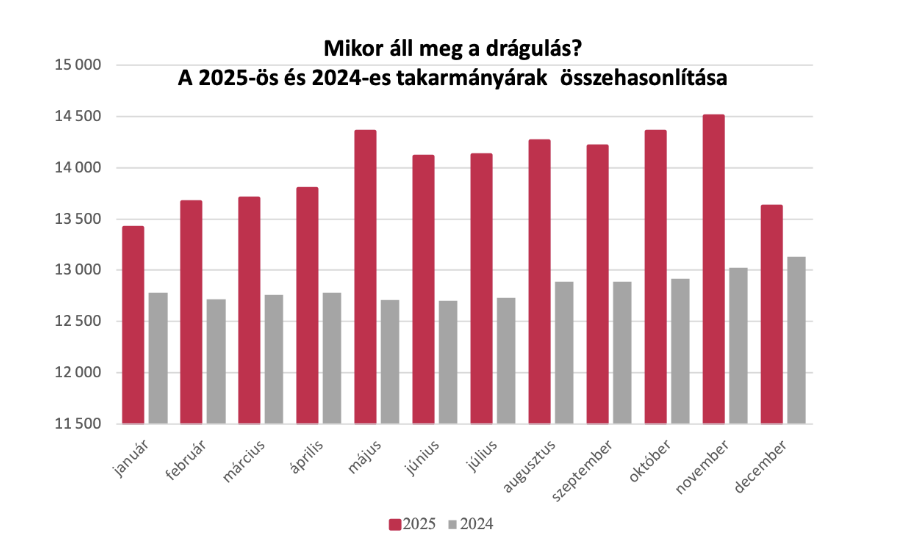
Figure 2: Price development of turkey finishing feed (2024–2025)
In 2025, feed prices increased by an average of about 10% between May and November were higher than a year earlier. The price increase was primarily driven by drought, toxin problems and trade tensions in the feed supplement market. However, by the end of the year, the price differences had narrowed to 3.7%.
Domestic industry players also had to reckon with factors that undermined profitability, such as the price of day-old turkeys and the continuous, decade-long increase in heating and feed costs.
Purchase prices
The purchase prices followed the development of costs with a time lag.
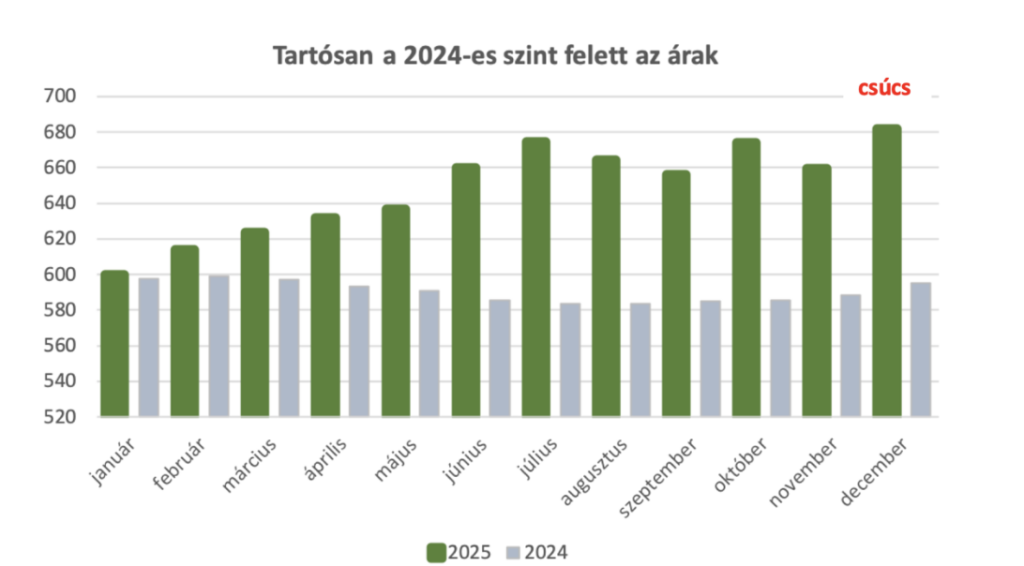
Figure 3: Monthly turkey purchase prices (2024–2025)
Domestic live turkey price It has stabilized around 660–680 HUF/kg since the summer of 2025, which is 12–16% higher than the previous year. In the summer months, due to the shortage of live turkeys in Europe, moreIn the country b, prices also rose – at the level of 2.1–2.3 €/kg.
Longer-term trends
In the longer term, the amount of domestic turkey slaughter has decreased. In our country, during the peak period of 2004, domestic purchase approached 140,000 tons (which meant nearly 11 million turkeys), and our turkey meat consumption was also among the world’s leading (7-7.5 kg/person/year). In terms of live animal purchases, the years 2023 and 2024 can be considered low points, when we did not reach 70,000 tons of domestic live weight (approximately 5.4 million turkeys), which represented a decline of almost 50% compared to the peak period performance. The growth in 2025 is remarkable and may even represent an important turning point for the sector.
Regarding the results and data, Lajos Horváth, President of the Hungarian Turkey Association, noted that
“it is an achievement in itself that the domestic sector survived the crises, and although it shrank, we survived in such headwinds and there is a Hungarian turkey sector. Last year proved it for everyone that domestic turkey production has become a stable basis for the Hungarian food industry and food.”
Prospects: opportunity in the decreasing European supply
The decrease in production in recent years has created market opportunities in several large turkey-producing countries in Europe. In the future, the competitiveness of the Hungarian turkey sector may be determined primarily by the development of integrations, increasing processing efficiency, stabilizing the producer base and strengthening biosecurity systems.
Investment subsidies, which enable the modernization of production and processing capacities, may represent favorable opportunities for the sector.
The Hungarian Turkey Sector in Figures (2025)
- ≈ 7 million live turkeys produced
- +7.7% production growth
- 5.5 million (74.7 thousand tons) live turkeys purchased
- 660–680 HUF/kg live turkey price

Related news

A new favorite is coming: the exciting collaboration between Gallio and Bamba Beef Burger
🎧 Hallgasd a cikket: Lejátszás Szünet Folytatás Leállítás Nyelv: Auto…
Read more >
Diseases create disturbances on the poultry market
🎧 Hallgasd a cikket: Lejátszás Szünet Folytatás Leállítás Nyelv: Auto…
Read more >
Prices are soaring on the poultry market: chicken, turkey and eggs have also become more expensive
🎧 Hallgasd a cikket: Lejátszás Szünet Folytatás Leállítás Nyelv: Auto…
Read more >Related news

Spring renewal: interest in surprising products increased in spring
🎧 Hallgasd a cikket: Lejátszás Szünet Folytatás Leállítás Nyelv: Auto…
Read more >
A new director will lead Nestlé’s factories in Szerencs and Diósgyőr from April
🎧 Hallgasd a cikket: Lejátszás Szünet Folytatás Leállítás Nyelv: Auto…
Read more >
A new era in packaging safety: technological constraints and stricter controls in 2026
🎧 Hallgasd a cikket: Lejátszás Szünet Folytatás Leállítás Nyelv: Auto…
Read more >
